

Maddy summaryHJRES 125 is a congressional resolution seeking to block a Federal Reserve rule requiring large financial institutions to manage climate-related financial risks. It targets the rule published in the Federal Register on October 30, 2023 (88 Fed. Reg. 74183), which established "Principles for Climate-Related Financial Risk Management." The resolution would prevent this rule from taking effect by invoking a specific legal process under Title 5 of the U.S. Code. This disapproval resolution directly affects major banks and financial firms subject to the Federal Reserve's oversight.
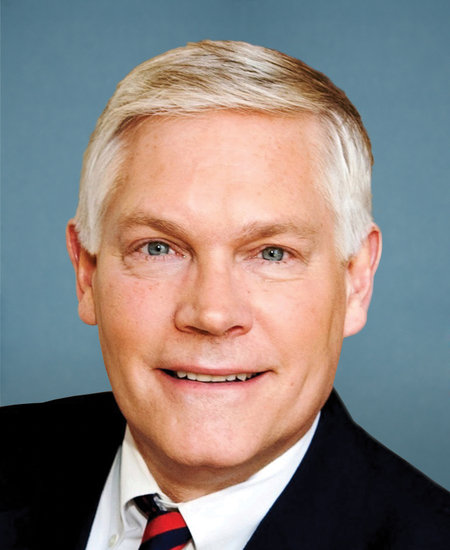
Rep. Pete Sessions
Sponsored bills
Maddy summaryHJRES 167 cancels a U.S. Department of Agriculture rule that would have allowed electronic eartags as official identification for cattle and bison. The resolution directs that the rule published in the Federal Register on May 9, 2024 (89 Fed. Reg. 39540), has no force or effect. This directly affects ranchers and farmers who would have been required to use electronic identification systems for livestock. The bill halts the implementation of this specific regulatory change without creating new requirements.
Maddy summaryHR 3161, the CDFI Fund Transparency Act, requires the Treasury Secretary (or their designee) to annually testify before the House Financial Services Committee and Senate Banking Committee about the operations of the Community Development Financial Institutions (CDFI) Fund. This testimony would cover the Fund's activities from the previous year and is requested at the discretion of the committee chairs. The bill does not change how the CDFI Fund provides funding but mandates regular reporting to Congress on its operations. It directly affects the Treasury Department's reporting obligations and the congressional committees overseeing the Fund. This is a procedural transparency measure, not a substantive policy change.
Maddy summaryHR 9342, the Securities Enforcement Clarity Act of 2024, clarifies how the SEC counts violations for penalty purposes under key securities laws. It specifies that separate failures to follow rules count as a single violation when they stem from the same cause, a repeated misstatement, or an ongoing failure to comply. This directly affects financial firms, brokers, and investment advisors subject to SEC enforcement actions. The bill changes penalty calculations by preventing the SEC from treating related violations as multiple separate offenses. The policy change aims to provide clearer standards for determining penalties under the Securities Act of 1933, Securities Exchange Act of 1934, and related investment laws.
Maddy summaryHJRES 127 is a congressional disapproval resolution targeting a Securities and Exchange Commission (SEC) rule requiring public companies to standardize climate-related financial disclosures. It seeks to block the SEC’s March 2024 rule (89 Fed. Reg. 21668), which would mandate consistent reporting on climate risks for investors. If passed, this resolution would prevent the SEC rule from taking effect, directly affecting publicly traded companies required to comply with the proposed disclosure standards. The bill uses a specific congressional process under Title 5, U.S. Code, to nullify the rule without creating new regulations.
Maddy summaryHJRES 126 is a congressional disapproval resolution targeting a Federal Deposit Insurance Corporation (FDIC) rule issued in October 2023. The resolution seeks to block the FDIC's "Principles for Climate-Related Financial Risk Management for Large Financial Institutions" rule, which required major banks to assess climate risks. If passed, this resolution would nullify the rule, directly affecting large financial institutions by removing a requirement to manage climate-related financial risks. The resolution uses a procedural mechanism under federal law to halt the rule's implementation without creating new regulations.
Maddy summaryHJRES 122 is a resolution seeking to block a rule by the Consumer Financial Protection Bureau (CFPB) that would have regulated credit card penalty fees. The rule, published on March 15, 2024, aimed to limit how credit card companies charge fees for late payments or other violations. If approved, this resolution would disapprove the rule under a specific legal process, preventing it from taking effect. This directly affects credit card issuers (banks and financial institutions) by allowing them to continue current fee practices without the proposed restrictions.
Maddy summaryHRES 1394 is a non-binding resolution celebrating the U.S.-India partnership based on shared democratic values, religious pluralism, and human rights, while highlighting the contributions of the Indian diaspora in the United States. It specifically recognizes the 50th anniversary of BAPS Swaminarayan Sanstha's community work, including its spiritual centers (mandirs) and volunteer efforts across the country. The resolution does not create legal obligations but formally acknowledges these ties and achievements.
Maddy summaryThis bill reauthorizes the Debbie Smith DNA Backlog Grant Program, which provides federal funding to state and local law enforcement agencies to reduce backlogs in processing DNA evidence from crime scenes. It extends the program's funding period from fiscal years 2024 through 2029 (previously ending in 2024). The bill also updates audit requirements to ensure grant funds are used properly through 2029. This directly affects law enforcement agencies that receive these grants to accelerate DNA analysis for criminal investigations.
Maddy summaryHJRES 165 is a congressional resolution seeking to block a Department of Education rule issued in April 2024 that updated protections against sex discrimination in schools receiving federal funding. The resolution aims to disapprove this specific rule (published as 89 Fed. Reg. 33474), which would have required schools to address sex-based discrimination in educational programs. If passed, the rule would no longer be in effect, meaning schools would not need to comply with its requirements. This resolution directly affects all schools and educational programs receiving federal financial assistance, as it targets the implementation of the new nondiscrimination standard.