

Maddy summaryThis bill requires all new passenger vehicles manufactured for sale in the U.S. to include AM radio as standard equipment (not an optional add-on) by 2027-2028, depending on manufacturer size. It mandates that AM radio receivers must be easily accessible to drivers and allows compliance through digital AM broadcast technology. During a transition period, manufacturers must clearly label vehicles without AM radio but cannot charge extra for this feature. The bill also mandates a GAO study on AM radio's role in emergency alerts and includes a 10-year sunset provision for the rule. It preempts state laws regarding AM radio access in vehicles.
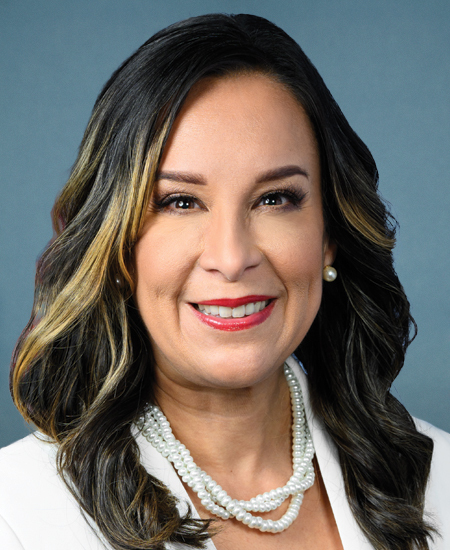
Rep. Monica De La Cruz
Sponsored bills
Maddy summaryHR 2592, the Aviation Medication Transparency Act of 2025, requires the Federal Aviation Administration (FAA) to create and maintain a public website listing medications approved for use by pilots and aircrew (airmen) during medical certification. The list must be developed with input from pilots' unions, air traffic controllers' representatives, and other stakeholders, and include details like "Do Not Issue" medications, required duty limitations for new medications, and contact information for medical providers. The FAA must publish this list within one year of the bill's enactment and update it annually. This directly affects pilots seeking or holding medical certifications by providing clear, accessible information about medication use in aviation.
National Law Enforcement Officers Remembrance, Support and Community Outreach Act. [ sic ] This bill temporarily directs the Department of the Interior to award a grant to the National Law Enforcement Officers Memorial Fund for the expenses associated with operating and enhancing the community outreach, public education, and officer safety and wellness programs of the National Law Enforcement Museum.
Maddy summaryThe SBA Spanish Resource Report Act requires the Small Business Administration administrator to submit a detailed report to Congress within 180 days of enactment. This report must inventory existing Spanish-language resources and services, including websites, application materials, and customer support, as well as those provided by partner organizations like small business development centers. The document also mandates an analysis of usage data, associated costs for translation and outreach, and operational considerations for delivering these services. While the bill requires a public report and a subsequent briefing to congressional committees, it explicitly states that this action does not force the agency to create, expand, or cut any specific Spanish-language programs.
Maddy summaryThis bill clarifies that certain personal services entities owned by registered stockbrokers are not automatically considered "brokers" under securities law, if specific conditions are met. It directly affects registered representatives who own personal services entities (like independent contractor firms) and their brokers. Key provisions require brokers to control payment details, prevent entities from advertising as brokers, maintain written agreements, restrict ownership to the representative or immediate family, and preserve required records for oversight. The change aims to eliminate regulatory confusion for small, representative-owned entities without altering core broker-dealer rules.
Maddy summaryThis House resolution formally honors the life and legacy of the late Representative Kay Granger from Texas, recognizing her historic achievements in public service. The bill highlights her roles as the first woman elected mayor of Fort Worth, the first Republican woman to represent Texas in the U.S. House, and the first Republican woman to chair the House Committee on Appropriations. It also acknowledges her contributions to national defense, including her work on the F-35 fighter jet program and the naming of a Navy ship for Fort Worth. The resolution expresses sympathy to Granger's family and directs the Clerk of the House to send an official copy of the document to her loved ones.
Maddy summaryThe Diabetes Prevention Program Reauthorization Act of 2026 extends funding for the National Diabetes Prevention Program through fiscal year 2031. This legislation directly affects individuals at risk for type 2 diabetes by ensuring continued access to evidence-based prevention services. The bill appropriates specific amounts for each year, starting with $39.3 million in fiscal year 2027 and increasing by $5 million annually to reach $59.3 million in fiscal year 2031.
Maddy summaryThis resolution commemorates the 61st anniversary of the Medicare program, which was enacted in 1965 to provide health insurance for seniors and individuals with disabilities. It acknowledges the program's role in covering approximately 70 million Americans and highlights its growth from 19 million beneficiaries in 1966 to its current scale. The text honors the contributions of healthcare providers, caregivers, and government personnel who maintain the system while recognizing the program's impact on healthcare access and financial security.
Maddy summaryThe Young Farmer Success Act expands student loan forgiveness to include individuals working full-time as employees or managers on farms and ranches. To qualify, these agricultural operations must generate at least $35,000 in gross revenue from selling agricultural products in 2026, with the required income increasing annually based on inflation adjustments. This change directly affects young people seeking loan relief who are currently employed in the farming and ranching sectors but were previously ineligible for this specific provision.
Maddy summaryThis bill, known as the No Leniency for Fentanyl Dealers Act, aims to increase penalties for trafficking fentanyl and other synthetic opioids while enhancing detection efforts by the U.S. Postal Service. It lowers the quantity thresholds required for federal felony charges and mandates that sentencing guidelines be updated to reflect these stricter penalties. Additionally, the legislation directs the Postmaster General to purchase more chemical screening devices and hire scientists to identify illegal drugs in mail shipments, authorizing $9 million in funding to support these interdiction activities.