

VA Canine Reporting Act of 2023 This bill requires the Department of Veterans Affairs to report on the average time it took to provide a veteran with a service or guide dog in the prior year. The report must also include legislative recommendations to reduce such wait time.
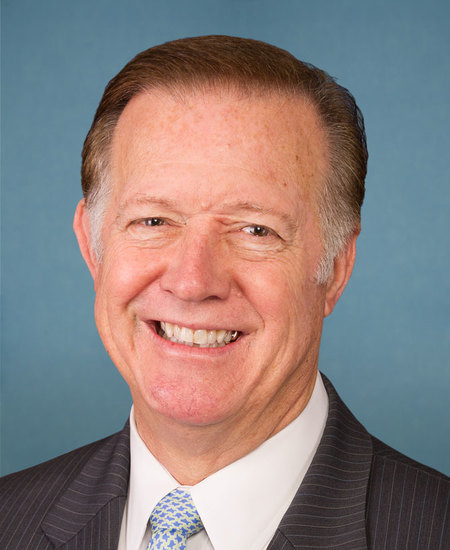
Rep. Randy K. Weber, Sr.
Sponsored bills
Maddy summaryThis bill prohibits the Department of Veterans Affairs from changing its anesthesia care policies to allow nurse anesthetists (CRNAs) to provide anesthesia independently without a physician anesthesiologist. It specifically blocks implementation of a 2016 proposed rule that would have expanded CRNAs' authority in VA facilities. The law maintains current requirements that physician anesthesiologists must oversee or provide anesthesia care for veterans during surgical procedures. Emergency orders for veteran safety during surgery remain permitted under the bill's exception clause.
Maddy summaryThis House resolution symbolically recognizes May as Jewish American Heritage Month, celebrating Jewish Americans' historical contributions to U.S. society and culture. It references rising antisemitism in 2022 (including ADL data showing a 36% increase in incidents) and includes a non-binding call for leaders to combat antisemitism. As a purely symbolic resolution, it does not create new policies or legal requirements.
Maddy summaryHR 3792 extends U.S. security funding for Israel through 2028 (Section 3) and expands energy cooperation to include advanced nuclear technologies and carbon capture (Section 5). It requires annual reports on regional security partnerships involving Israel (Section 6) and ensures countries in the Abraham Accords can access U.S. development programs (Section 8). The bill also mandates reports on diplomatic efforts against ICC investigations targeting the U.S. and Israel (Section 10) and encourages people-to-people programs to strengthen the Abraham Accords (Sections 7, 9). These provisions directly affect Israel’s diplomatic engagement, security partnerships, and economic cooperation in the Middle East.
Maddy summaryThe WING Act of 2023 creates a research program within the National Weather Service to address how physical obstructions like wind turbines and buildings interfere with weather radar systems. The program requires the agency to partner with industry and researchers to test technologies such as phased array radar, data-sharing from commercial sources, and improved signal processing to maintain accurate weather forecasting. It mandates annual reports to Congress on progress and a final recommendation within five years on whether continued research is needed. The program is scheduled to end by September 30, 2028, or one year after the final report, whichever comes first.
Maddy summaryHR 3212, the "Shall Not Be Infringed Act of 2023," repeals or prevents funding for numerous gun control measures across federal agencies. The bill eliminates funding for Bureau of Alcohol, Tobacco, Firearms and Explosives (ATF) modernization efforts, blocks Department of Veterans Affairs programs related to firearm storage, and prohibits CDC and NIH from funding research on firearm injury prevention. It also repeals specific provisions from the Bipartisan Safer Communities Act related to background checks and domestic violence restrictions, and prevents the use of federal funds for red flag laws or gun registries. The bill directly affects federal agencies and programs that implement gun control measures, including ATF, VA, HHS, CDC, NIH, and the Department of Education.
Maddy summaryHR 3740, the Federal Employee Student Debt Transparency Act, requires certain high-level federal employees to publicly disclose their student loan debt. Specifically, it applies to Senior Executive Service (SES) employees and Schedule C appointees (political appointees in policy roles), mandating they report their full student loan balances (including federal loans under the Higher Education Act) within 60 days of taking the position and annually by February 28. The Office of Government Ethics must then submit an annual report to Congress by May 1, detailing the total debt owed by all covered employees and identifying those who failed to report. This bill focuses solely on transparency, not debt relief or policy changes.
Maddy summaryThis bill sets strict deadlines for the EPA to review state applications for primary control over Class VI wells (used for underground carbon storage). It requires the EPA to approve state programs automatically if no decision is made within 210 days (180 days for review plus 30 days), unless the EPA provides a detailed written explanation of delays. States must already have authority over other well types to qualify for automatic approval. The bill also prohibits the EPA from adding new conditions to state applications and mandates regular reporting on staffing needs for implementation. It applies to all new state submissions after enactment and resets timelines for pending applications.
Maddy summaryHR 3712, the Digital Dollar Pilot Prevention Act, prohibits the Federal Reserve from testing or implementing a digital dollar without new congressional approval. The bill amends the Federal Reserve Act to explicitly block the Fed and its banks from launching any pilot program for a central bank digital currency (a digital form of U.S. dollars issued directly by the Federal Reserve) or partnering with private entities for such testing. This directly affects the Federal Reserve System, preventing it from moving forward with any digital dollar initiatives until Congress passes a separate law authorizing them. The law aims to halt potential development of a Fed-issued digital currency until lawmakers address its implications through new legislation.
Maddy summaryThis bill requires U.S. government agencies to develop strategies to combat "transnational repression" - actions by foreign governments or their agents to intimidate, coerce, or harm diaspora and exile communities outside their home countries. It mandates the State Department to create an interagency strategy, amend annual country reports to include information on transnational repression tactics, and provide training for diplomatic and law enforcement personnel. The bill also establishes sanctions against foreign governments or individuals responsible for transnational repression, including blocking property and denying visas. These provisions directly affect diaspora communities facing foreign government harassment and U.S. agencies tasked with protecting them.