

Maddy summaryHR 529, the RACE Act, sets new deadlines for states to count ballots and certify results in federal elections. It requires states to finish counting ballots by 10 p.m. on election day and certify results within 48 hours. Exceptions apply for bona fide emergencies (like natural disasters) or technical issues with election equipment. This bill directly affects all states conducting federal elections, imposing specific timelines for election administration. The law applies to elections held after its enactment date.
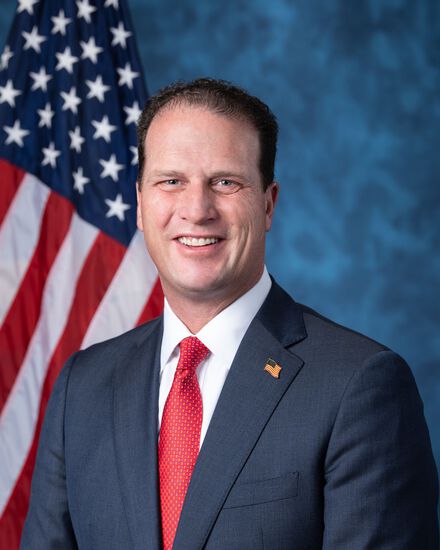
Rep. August Pfluger
Sponsored bills
Maddy summaryHR 526, the Declaration of Energy Independence Act, reduces costs for oil and gas leaseholders on federal lands. It lowers royalty rates from 16.67% to 12.5%, cuts minimum bids from $10 to $2 per acre, and adjusts annual rental rates (from $3-$15 to $1.50-$2 per acre). The bill also creates new noncompetitive leasing options for existing leases meeting production thresholds (e.g., 15 barrels/day oil or 60,000 ft³/day gas), allowing continued operation without bidding. These changes directly affect companies holding federal oil/gas leases, particularly those with older leases or low-production sites.
Maddy summaryHR 404, the "Hearing Protection Act," reclassifies firearm silencers (devices that reduce gunfire noise) as firearms for federal tax and regulatory purposes. It imposes a 10% federal tax on silencers, requires the destruction of all existing federal silencer registration records within one year, and preempts state laws that tax or regulate silencers. The bill clarifies that silencers are treated as firearms under federal law, including for licensing and marking requirements, and defines "firearm silencer" to include specific components. Note: The bill’s title is misleading - it addresses firearm silencer regulation, not hearing protection for people.
Maddy summaryHR 424, the State Border Security Reimbursement Act of 2025, requires the federal government to reimburse states that spent over $2.5 billion on border security since 2014. It directly affects states like Texas, which has allocated over $3.2 billion for border security since 2008-2009 due to federal inaction. States meeting the spending threshold must submit expense reports within 180 days of the bill's enactment, and the federal government must reimburse these costs within one year of submission. The bill aims to address the financial burden on states that have funded border security efforts primarily the federal government's responsibility.
Maddy summaryThis bill directs the Department of Homeland Security to implement the Migrant Protection Protocols (MPP) as outlined in a 2019 policy memo. It requires migrants seeking asylum at the U.S. border to remain in Mexico while their cases are processed, rather than being allowed to stay in the U.S. pending a hearing. The bill does not create new rules but mandates the reinstatement of a policy that was previously in effect from 2019 to 2021. This would directly affect asylum seekers arriving at the U.S.-Mexico border. The policy change would apply to all migrants covered by the existing MPP framework.
Maddy summaryThis bill renames a U.S. Postal Service facility in Fritch, Texas, to the "Chief Zeb Smith Post Office." It designates the specific location at 107 North Hoyne Avenue as the official name for all federal references, including documents, maps, and records. The bill makes no policy changes - it solely updates the facility's name for administrative purposes.
Preserving Safe Communities by Ending Swatting Act of 2025 This bill makes it a crime to intentionally convey false or misleading information in circumstances where the information may reasonably be expected to cause an emergency response and the information indicates the occurrence of criminal conduct or a threat to health or safety (commonly referred to as swatting ).
Maddy summaryHR 313, the Natural Gas Tax Repeal Act, repeals Section 136 of the Clean Air Act, which established a methane emissions reduction program for natural gas systems. The bill also rescinds unobligated funds previously allocated for this program. This directly affects the natural gas industry by removing a requirement to reduce methane emissions from their operations. The legislation makes no new policy changes but eliminates an existing regulatory program and its associated funding.
Maddy summaryHR 330, the Organ Donation Referral Improvement Act, mandates a study by the Secretary of Health and Human Services on using electronic automated referral systems to improve organ donation processes. The study will examine how systems that automatically identify potential deceased donors through hospital electronic health records and refer them to organ procurement organizations could save staff time, improve eligibility determination speed, and increase donation volumes. It will also assess benefits of using standardized clinical criteria, secure data transmission, and best practices for implementation. The study, due within one year of enactment, will produce recommendations for nationwide adoption and be reported to relevant congressional committees. This bill directly affects hospitals and organ procurement organizations by studying a potential process change for organ donor referrals.
Maddy summaryHR 82, the Social Security Fairness Act of 2023, repeals two provisions that reduce Social Security benefits for certain government workers. It eliminates the Government Pension Offset (GPO), which cuts spousal or survivor benefits for people with pensions from jobs not covered by Social Security (like federal or state government roles), and the Windfall Elimination Provision (WEP), which lowers retirement benefits for those with similar pensions. The law takes effect for benefits paid after December 2023, requiring the Social Security Administration to adjust benefit calculations to remove these reductions. This change directly affects public-sector employees who previously had their Social Security benefits reduced due to their government pensions.