Voluntary Protection Program Act This bill provides statutory authority for the voluntary protection program within the Occupational Safety and Health Administration. Under the program, workplaces that implement comprehensive safety and health management systems are exempt from certain paperwork and inspection requirements.
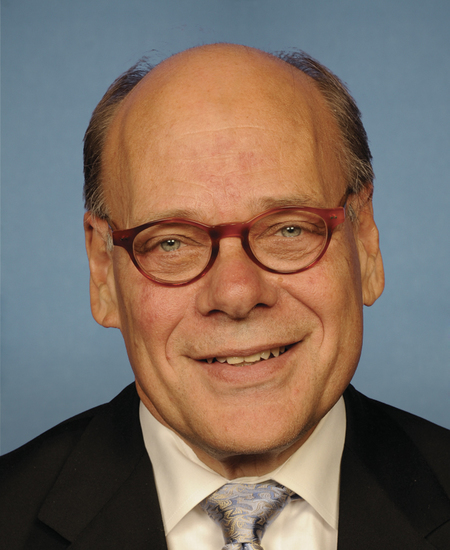
Rep. Steve Cohen
Sponsored bills
Water Affordability, Transparency, Equity, and Reliability Act of 2021 This bill increases funding for water infrastructure, including funding for several programs related to controlling water pollution or protecting drinking water. Specifically, it establishes a Water Affordability, Transparency, Equity, and Reliability Trust Fund. The fund may be used for specified grant programs. The bill increases the corporate income tax rate to 24.5% to provide revenues for the fund. In addition, the bill revises requirements concerning the clean water state revolving fund (SRF) and the drinking water SRF. It also creates or reauthorizes several grant programs for water infrastructure.
This resolution declares that respect for human rights is foundational to U.S. bilateral and international engagement with Nigeria, and it condemns the violence by Nigerian security forces against peaceful protestors. Further, the resolution supports the demands of the movement for justice, accountability, and meaningful police and security-sector reform in Nigeria, and it calls on the Nigerian government to release everyone who has been wrongfully arrested for participating in or supporting this movement.
This resolution encourages the recognition of the collective history and achievements of people of African descent and reaffirms the importance of their equal participation in all aspects of political, economic, social, and cultural life. The resolution also recognizes that many Black Europeans have experienced injustices in the public and private sector and welcomes European efforts to promote racial equality and combat discrimination. Further, the resolution urges the Department of State and the U.S. Agency for International Development to support efforts to promote equality.
This resolution condemns Iranian state-sponsored terrorist attacks against U.S. citizens and officials and Iranian dissidents and expresses support for the people of Iran who are engaged in legitimate and peaceful protests against the Iranian regime.
Climate Change Education Act This bill declares that the evidence for human-induced climate change is overwhelming and undeniable. The National Oceanic and Atmospheric Administration (NOAA) must establish a Climate Change Education Program to increase the climate literacy of the United States by broadening the understanding of human-induced climate change, including possible consequences, disproportionate impacts of such consequences, and potential solutions; apply the latest scientific and technological discoveries to provide learning opportunities to people of all ages; and help people understand and promote implementation of new technologies, programs, and incentives related to climate change, climate adaptation and mitigation, climate resilience, climate justice, and environmental justice. NOAA must also establish a grant program for climate change education.
Closing Loopholes for Oil and other Sources of Emissions Act or the CLOSE Act This bill repeals exemptions from the Clean Air Act under which (1) emissions from oil and gas wells and pipeline facilities are excluded from aggregation with emissions from other similar units for purposes of determining major sources, and (2) the Environmental Protection Agency (EPA) excludes oil and gas production wells from being listed as area sources. Additionally, the bill requires the EPA to issue a final rule adding hydrogen sulfide to the list of hazardous air pollutants under the Clean Air Act and revising such list to include categories and subcategories of major sources and area sources of hydrogen sulfide, including oil and gas wells.
Energy Innovation and Carbon Dividend Act of 2021 This bill imposes a fee on the carbon content of fuels, including crude oil, natural gas, coal, or any other product derived from those fuels that will be used so as to emit greenhouse gases into the atmosphere. The fee is imposed on the producers or importers of the fuels and is equal to the greenhouse gas content of the fuel multiplied by the carbon fee rate. The rate begins at $15 per metric ton of CO2-e in 2021, increases by $10 each year, and is subject to further adjustments based on the progress in meeting specified emissions reduction targets. The bill includes exemptions for fuels used for agricultural or nonemitting purposes, exemptions for fuels used by the Armed Forces, rebates for facilities that capture and sequester carbon dioxide, and border adjustment provisions that require certain fees or refunds for carbon-intensive products that are exported or imported. The fees must be deposited into a Carbon Dividend Trust Fund and used for administrative expenses and dividend payments to U.S. citizens or lawful residents. The fees must be decommissioned when emissions levels and monthly dividend payments fall below specified levels.
International Human Rights Defense Act of 2021 This bill establishes in the Department of State a permanent Special Envoy for the Human Rights of LGBTQI (lesbian, gay, bisexual, transgender, queer, or intersex) Peoples who shall serve as the principal State Department advisor regarding human rights for LGBTQI people and represent the United States in diplomatic matters relevant to the human rights of LGBTQI people. The special envoy shall periodically provide Congress with a U.S. global strategy to prevent and respond to criminalization, discrimination, and violence against LGBTQI people. The State Department and the U.S. Agency for International Development may provide assistance to prevent and respond to such activities against LGBTQI people. The bill also requires that annual country reports on human rights practices include information on criminalization, discrimination, and violence based on sexual orientation and gender identity.

This joint resolution nullifies the rule finalized by the Social Security Administration on November 16, 2020, that outlines when its administrative appeals judges may hold hearings and issue decisions on individual cases. Currently, these judges serve an appellate function where they review, at the request of Social Security claimants, the decisions of the administrative law judges who issue decisions in individual cases.