

Maddy summaryHRES 1084 designates February 28 as "HIV is Not a Crime Awareness Day" to address the criminalization of people living with HIV. The resolution calls for ending state laws that impose harsh penalties or criminalize consensual acts based solely on HIV status - regardless of transmission risk, intent, or disclosure - and notes these laws disproportionately impact Black and brown communities, Black women, and transgender women. It urges education for law enforcement and communities, removal of outdated HIV criminalization laws, and increased support for HIV prevention, testing, treatment, and care programs. The resolution does not create new laws but advocates for policy changes to align with current medical understanding and reduce stigma.
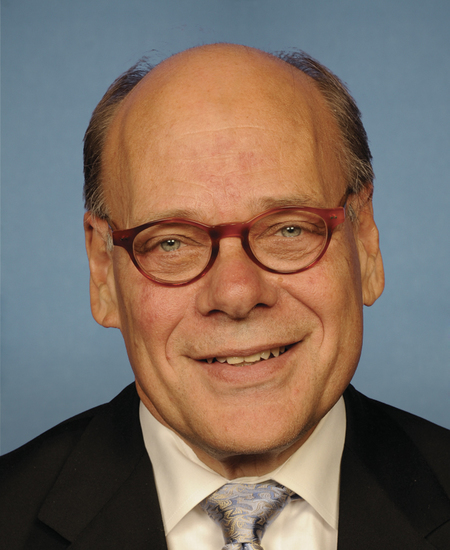
Rep. Steve Cohen
Sponsored bills
Maddy summaryHRES 1080 is a symbolic resolution recognizing and celebrating Black History Month 2026, focusing on its theme "A Century of Black History Commemorations." It highlights historical figures and events central to Black history, including Carter G. Woodson’s founding of Negro History Week (the precursor to Black History Month), Juneteenth, and key moments like the 1865 Charleston commemoration. The resolution emphasizes how Black history commemorations counter historical erasure and affirm Black contributions to U.S. history, referencing figures like Mary McLeod Bethune and W.E.B. Du Bois. As a ceremonial resolution, it has no binding effect but aims to raise awareness of Black achievements through official recognition.
Maddy summaryThis bill increases the annual stipend for books, supplies, and educational materials under the Post-9/11 GI Bill from $1,000 to $1,400, effective immediately. It also establishes a new automatic annual adjustment starting in fiscal year 2026, tying stipend increases to inflation using the Consumer Price Index (CPI). Specifically, the stipend will rise each year by the percentage difference between the current CPI and the previous year’s CPI. This directly affects veterans using the Post-9/11 Educational Assistance Program for their education expenses.
End Veteran Homelessness Act of 2025 This bill requires the Department of Veterans Affairs (VA) to furnish case management to certain veterans who are eligible for the HUD-Veterans Affairs Supportive Housing (HUD-VASH) program administered by the Department of Housing and Urban Development (HUD) and the VA. Specifically, the VA must furnish case management to veterans who are eligible for HUD-VASH that the VA determines require case management. The VA must prioritize vulnerable homeless veterans in assigning case managers and providing services. The VA must take certain actions if a veteran refuses case management. HUD or a public housing authority may not revoke assistance solely on the basis that a veteran has refused case management. Additionally, a veteran may not be evicted or penalized by the owner of a property solely on the basis that they have refused case management or cannot be provided case management for health and safety reasons. The Government Accountability Office must report to Congress on veterans who are served by the HUD-VASH program, case managers and case management services provided under the program, and metrics about housing stability for veterans participating in federal housing assistance programs. The bill also provides statutory authority to expand eligibility for the HUD-VASH program to any veteran who is homeless, at risk of homelessness, or receiving assistance under another housing assistance program if the VA determines a voucher under HUD-VASH is more appropriate. (Currently, assistance is statutorily limited to certain veterans who have chronic mental illness or substance use disorders.)
Fair Access to Co-ops for Veterans Act of 2025 This bill revives and makes permanent the authority of the Department of Veterans Affairs (VA) home loan guarantee program to guarantee loans for a veteran’s purchase of stock or membership in a cooperative housing corporation (i.e., co-op) for the purpose of entitling the veteran to occupy a single family residential unit. For purposes of the administration of such loans, the bill establishes a fee rate of the usual fee plus 3.25% of the total amount of the loan, treats such cooperative housing units as residential property for purposes of imposing restrictions and liabilities, and guarantees up to 25% of the amount of the loan for loans exceeding $144,000. Additionally, the bill requires the VA to advertise the availability of loan guarantees for cooperative housing unit loans, including by issuing guidance and notifying eligible veterans.
Maddy summaryHR 7601, the "No Immunity for Glyphosate Act," removes legal protections for manufacturers of glyphosate-based herbicides and elemental phosphorus products. It allows individuals harmed by exposure to these chemicals - through physical injury, illness, disease, or death - to file civil lawsuits against manufacturers, distributors, or sellers in federal court, without requiring proof of fault. The bill explicitly blocks manufacturers from using the "Federal contractor defense" (claiming compliance with government orders) as a shield from liability and preserves all existing lawsuits filed under federal or state law. It does not change the use of these chemicals but ensures victims can seek compensation through courts for damages, including medical costs, lost wages, and punitive damages.
Maddy summaryHR 7602, the State of Men’s Health Act, requires the Government Accountability Office (GAO) to study U.S. men’s health disparities and submit a report to Congress within one year of enactment. It also mandates the Department of Health and Human Services (HHS) to establish an Office of Men’s Health within 18 months to coordinate existing federal programs focused on preventive care for men, including screenings for prostate cancer, mental health, and cardiovascular issues. The bill does not authorize new funding; all activities must use existing appropriations. This legislation directly affects all men in the United States by aiming to improve health outcomes through better coordination of current federal health initiatives.
Maddy summaryHRES 1065 is a House resolution condemning President Donald Trump for reposting a video on February 5, 2026, that depicted former President Barack Obama and First Lady Michelle Obama as primates - a depiction described in the resolution as a racist trope. The resolution formally censures Trump for this post, which violated his oath to uphold the Constitution, and calls on him to apologize. It directly affects the President by formally rebuking his conduct as head of the executive branch. The resolution has no legal effect but serves as a symbolic rebuke by the House of Representatives.
Maddy summaryHR 7543, the Plastic Pellet Free Waters Act, prohibits plastic pellets and pre-production plastic materials from being discharged into waterways through wastewater, spills, or runoff from specific facilities. It directly affects plastic manufacturing, molding, packaging, and transportation facilities regulated under existing environmental rules. Within 60 days of enactment, the EPA must issue a rule banning these discharges and update all relevant wastewater, stormwater, and performance standards in permits. The law requires all permits and standards for these facilities to reflect the new ban, ensuring plastic pellets cannot enter water systems. This is a concrete regulatory change to prevent plastic pollution at its source.
Maddy summaryThis bill requires most employers to provide workers with earned paid sick leave. Employees would earn 1 hour of paid sick time for every 30 hours worked, up to 56 hours per year, which can be used for their own illness, medical care, caring for family members (including children, parents, spouses, domestic partners, or other family-like relationships), or addressing domestic violence, sexual assault, or stalking situations. The bill prohibits employers from retaliating against workers who use this leave and requires employers to inform employees about their rights. It ensures that workers who leave and return to the same employer within a year can reinstate their unused sick leave. This law would not override more generous state or local paid leave policies.