

Maddy summaryHRES 1363 designates September 19, 2022, as "National Stillbirth Prevention Day" to recognize the approximately 23,000 stillbirths occurring annually in the U.S. and support efforts to reduce them. The resolution specifically acknowledges racial disparities in stillbirth rates, highlighting that Black, Hispanic, and Indigenous families face the highest risks. It requests the President issue a proclamation encouraging nationwide awareness, evidence-based prevention efforts, improved data collection, and education to help reduce stillbirths by 33% over time. This symbolic resolution does not create new laws but aims to raise public awareness and promote existing prevention strategies. It directly affects families impacted by stillbirth and advocates for greater attention to this public health issue.
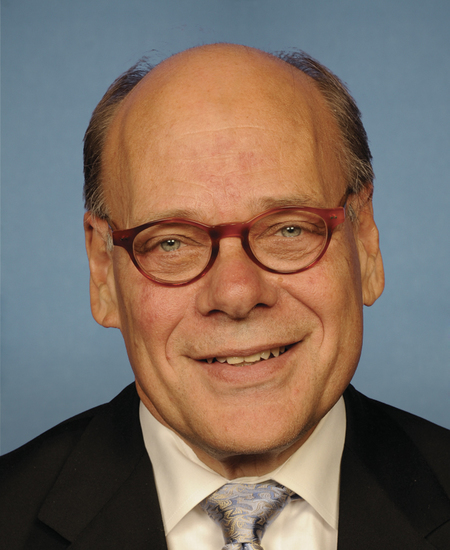
Rep. Steve Cohen
Sponsored bills
This resolution applauds and expresses support for the continued cooperation between the United States and the European Union in thwarting Hezbollah's terrorist activities. It also urges the European Union to designate Hezbollah in its entirety as a terrorist organization.
Peace Corps Reauthorization Act of 2022 This bill reauthorizes through FY2024 and modifies operations of the Peace Corps. Changes include increasing the readjustment allowance paid to volunteers when their service terminates and providing statutory authority for an executive order that grants returned volunteers noncompetitive eligibility for federal civil-service positions. Additionally, the bill entitles returned volunteers to sixty days of health care benefits. The Peace Corps must also provide volunteers with information about enrolling in U.S. health plans before service termination and mental health care during and after service. The bill also includes provisions to address involuntary termination of Peace Corps service in emergencies, including by expediting re-enrollment of involuntarily terminated volunteers. The Peace Corps must also adequately insure volunteers' safety and must coordinate with the Department of State to periodically update agreements concerning the security of Peace Corps volunteers and staff abroad. The bill also authorizes Peace Corps to recruit domestically based volunteers to serve in the United States at the request of another agency or to provide services in a host country virtually, modifies the Peace Corps National Advisory Council's membership and functions, expands whistleblower protections for volunteers, increases the rate of pay that applies to a volunteer's workers compensation claim, requires Peace Corps to implement a zero tolerance drug use policy regarding volunteer involvement with illegal drugs, and emphasizes the use of the internet in Peace Corps programs. Furthermore, the bill requires reporting, including on the provision of mental health services to volunteers.
Improving Seniors' Timely Access to Care Act of 2022 This bill establishes several requirements and standards relating to prior authorization processes under Medicare Advantage (MA) plans. Specifically, MA plans must (1) establish an electronic prior authorization program that meets specified standards, including the ability to provide real-time decisions in response to requests for items and services that are routinely approved; (2) annually publish specified prior authorization information, including the percentage of requests approved and the average response time; and (3) meet other standards, as set by the Centers for Medicare & Medicaid Services, relating to the quality and timeliness of prior authorization determinations.
This resolution affirms the use of diplomacy with the African Union and its member countries and expresses support for implementation of the African Continental Free Trade Area.
Supporting Medicare Providers Act of 2022 This bill extends a payment increase under Medicare's physician fee schedule through the end of 2023 (currently set to expire at the end of 2022).
Ensuring Seniors' Access to Quality Care Act This bill repeals certain restrictions under Medicare and Medicaid that prohibit the approval of nurse-aide training and competency evaluation programs in skilled nursing facilities that have been subject to specified regulatory actions (e.g., civil penalties) for substandard quality of care. The Centers for Medicare & Medicaid Services (CMS) must still disapprove such programs for up to two years; however, the CMS must rescind the disapproval upon completion of corrective action and may require additional oversight of the program for purposes of rescission. The bill also allows Medicaid and Medicare providers (e.g., skilled nursing facilities) to access, through the National Practitioner Data Bank, disciplinary information for affiliated physicians and other health care practitioners, as reported by state licensing authorities.
Maddy summaryHRES 1336 is a ceremonial resolution designating September 2022 as "National Prostate Cancer Awareness Month." It expresses congressional support for raising public awareness about prostate cancer and encourages efforts to promote screening, research, and access to care. The resolution does not create new laws or allocate funds but calls on the public and organizations to observe the month with activities focused on prostate cancer education. It directly affects the general public and health advocacy groups by highlighting the disease's impact through factual statistics about its prevalence and mortality.
Nationwide Right To Unionize Act This bill provides authorization for labor agreements to require membership in a labor organization as a condition of employment regardless of state law (thus preempting state laws that prohibit such agreements).
Strengthening Welfare in Marine Settings Act of 2022 or the SWIMS Act of 2022 This bill establishes prohibitions on capturing, importing, exporting, or breeding of orcas, beluga whales, false killer whales, or pilot whales for the purpose of public display. Specifically, the bill prohibits the National Oceanic and Atmospheric Administration from issuing any permit under the Marine Mammal Protection Act of 1972 that authorizes the taking (e.g., capturing) or importation of such orcas or whales for the purpose of public display. The bill further revises the act to make it unlawful to export such orcas or whales, unless they are being transported to marine mammal sanctuaries or for release into the wild. Further, the bill makes it unlawful under the Animal Welfare Act for any person to breed or artificially inseminate such marine mammals for purposes of using their progeny for public display.