

Maddy summaryHR 2693, the Pay Our Coast Guard Parity Act of 2023, ensures Coast Guard members, civilian staff, and qualifying contractors receive pay and benefits during specific funding gaps. It requires Congress to appropriate funds for Coast Guard personnel pay, allowances, and key benefits (like death gratuities and housing allowances) if a Coast Guard-specific funding lapse occurs - when Coast Guard funding isn’t approved before a fiscal year starts but Department of Defense funding is. The bill mandates these payments continue until a full appropriation is enacted or for up to two weeks after the lapse begins, with costs charged to future appropriations. This addresses a gap in funding continuity for Coast Guard personnel during government shutdowns affecting only the Coast Guard.
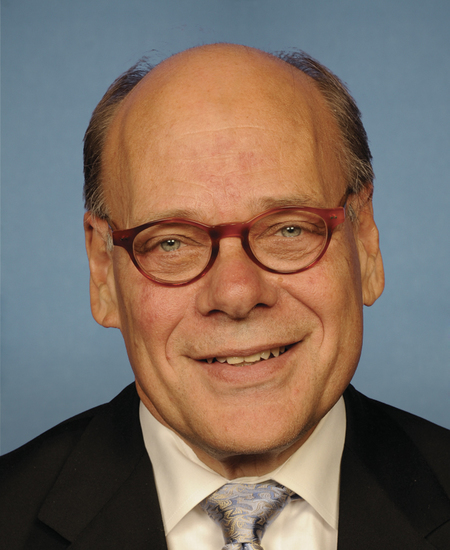
Rep. Steve Cohen
Sponsored bills
Maddy summaryThe Puppy Protection Act of 2023 sets new standards for businesses that sell dogs (dealers), directly affecting pet stores and breeders operating under the Animal Welfare Act. It requires specific housing with space allowances based on dog size (e.g., 12-30 square feet per dog), temperature control (45-85°F), clean food twice daily, and daily exercise or socialization with humans/dogs for at least 30 minutes. The bill also mandates annual veterinary exams including dental care, strict breeding limits (e.g., age restrictions, maximum 2 litters in 18 months), and efforts to place retired breeding dogs in homes instead of selling them to other breeders. Regulations must be finalized within 18 months of enactment.
Maddy summaryHR 2682, the Veterans Medical Marijuana Safe Harbor Act, creates a federal exemption allowing veterans to use, possess, or transport state-legal medical marijuana without facing federal penalties. It specifically protects veterans in states or tribal lands where medical marijuana is permitted, and permits VA physicians to discuss or recommend it as a treatment for pain or conditions like PTSD. The bill mandates the VA to conduct research on medical marijuana's effects for veterans within 180 days and study veterans' access to state programs within two years. This exemption expires automatically five years after the bill’s enactment.
US Rescue and Aid Individuals of World War II Congressional Gold Medal Act of 2023 This bill provides for the award of a single Congressional Gold Medal to the Americans who were active in aiding and rescuing Jews and other refugees during the period of Nazi Germany's genocidal Final Solution policy to murder every Jew in Europe. The medal recognizes the contributions of these Americans, which resulted in tens of thousands of Jews and others being spared from almost certain death.
Maddy summaryThe "For the 99.5 Percent Act" (HR 2676) would increase estate and gift taxes for large estates by lowering the basic exclusion amount from $750,000 to $3.5 million and implementing higher tax rates for estates over that threshold. It would limit discounts on estate valuations for family-owned businesses and nonbusiness assets, require minimum 10-year terms for certain trusts, and eliminate tax exemptions for transfers to certain beneficiaries. These changes would directly affect individuals with estates valued over $3.5 million, particularly those using complex trust structures to minimize tax liability. The bill aims to increase tax revenue from the top 0.5% of estates by making it harder to avoid estate taxes through various valuation techniques and trust arrangements. The changes would take effect for estates of decedents dying, and gifts made, after December 31, 2023.
Maddy summaryThis bill allows the Department of Veterans Affairs (VA) to use existing funds more flexibly to assist homeless veterans and veterans in HUD housing programs. It authorizes the VA to provide immediate needs like food, shelter, transportation for appointments, and communication devices (e.g., phones, tablets) to support veterans' stability and health. The law expands how VA funds can be applied beyond traditional housing assistance, focusing on urgent, practical support. It directly affects homeless veterans and those in HUD's housing assistance program by enabling faster, more adaptable aid. The bill amends existing VA law to improve responsiveness to veterans' immediate survival and health needs.
Maddy summaryThe VA Same-Day Scheduling Act of 2023 requires the Department of Veterans Affairs to schedule appointments for enrolled veterans during the same phone call when they request care. This applies to veterans enrolled in the VA healthcare system who contact the VA by phone to request appointments. The law mandates that the VA must complete the scheduling during the call - without delay or future scheduling - regardless of the appointment date. The requirement takes effect 120 days after the bill is enacted.
This resolution condemns the expulsion of state representatives Justin Jones and Justin J. Pearson from the Tennessee General Assembly as an attack on American democracy and an overt act of racism. It also expresses the belief that state and federal lawmakers should address gun violence.
Maddy summaryThis bill requires states to use independent redistricting commissions for congressional redistricting after each census, with specific appointment rules to ensure nonpartisan representation. It limits states from redrawing congressional districts more than once between census apportionments unless a court orders it to comply with constitutional or Voting Rights Act requirements. The bill mandates that redistricting plans must follow specific criteria like population equality and geographic continuity, while prohibiting consideration of political factors such as party affiliation or incumbents. It also provides federal funding to states to implement these changes and establishes court procedures to step in if states fail to follow the process.
Maddy summaryThe Optimizing Postpartum Outcomes Act of 2023 requires the Health and Human Services Secretary to issue guidance within one year on covering pelvic health services (like pelvic floor exams and physical therapy) during the postpartum period under Medicaid and CHIP programs. This guidance will include best practices for payment models, financing options, and standardized terminology to improve access for postpartum women. It also mandates a GAO study on coverage gaps for postpartum services and funds a new CDC-led education campaign to train healthcare providers and inform postpartum women about pelvic health care. The bill directly affects postpartum women enrolled in Medicaid or CHIP, aiming to standardize and expand access to these specific health services.