

Maddy summaryHR 2630, the Safe Step Act, requires group health plans and health insurance issuers to establish a clear, transparent process for patients or their doctors to request exceptions to medication step therapy protocols. These protocols typically force patients to try cheaper drugs first before covering more expensive alternatives. The bill mandates that plans must approve exceptions when prior treatments failed, delay would cause serious harm, a treatment is unsafe, or a patient is stable on a previously approved drug, with strict 72-hour (or 24-hour in emergencies) decision timelines. It also requires plans to publish the exception process online and limit documentation requests to only necessary medical information. This law directly affects health insurers, employers offering health plans, and patients using step therapy for prescription drugs.
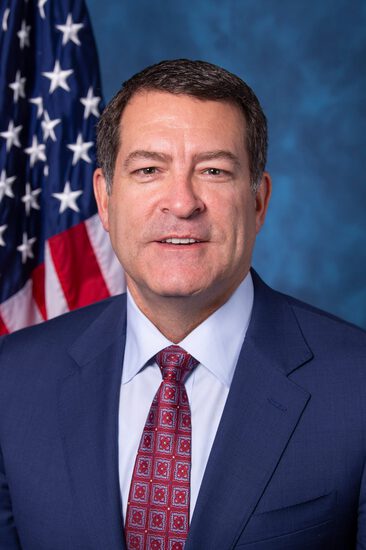
Rep. Mark E. Green
Sponsored bills
Maddy summaryHR 2620, the Federal Firearms Licensee Protection Act of 2023, increases penalties for crimes targeting firearms licensees. It amends Section 924 of Title 18 to impose mandatory minimum sentences of 3 years for burglaries or 5 years for robberies committed at the business premises of licensed firearms dealers, manufacturers, or importers. The bill specifically targets violations of Section 922(u), which prohibits unauthorized access to these premises, and adds "attempts to do so" to the penalties. This directly affects licensed firearms businesses by strengthening legal protections against theft or violence at their locations. The law creates clearer, harsher consequences for crimes committed during burglaries or robberies at these specific business sites.
Maddy summaryThis bill terminates the national emergency declared by the President on March 13, 2020, under the National Emergencies Act. It ends the executive branch's authority to use emergency powers related to that specific declaration. The resolution passed both chambers in early 2023 and took effect April 10, 2023, without creating new policies or affecting specific groups.
Protecting Gold Star Spouses Act of 2023 This bill provides interim appropriations for the Coast Guard Retired Serviceman's Family Protection and Survivor Benefits Plans if a bill providing appropriations for the plans has not been enacted before the fiscal year begins. The bill provides the appropriations at the rate of operations and under the terms and conditions provided by the most recent law making full-year appropriations for the plans. The appropriations provided by this bill are not available after a bill is enacted that (1) provides appropriations for the plans, or (2) provides appropriations for the Coast Guard without funding the plans.
Maddy summaryThis bill establishes the General Thaddeus Kosciuszko Memorial Exchange Program to formalize training exchanges between U.S. and Polish special operations forces. It directs the Commander of U.S. Army Special Operations Command to implement the program under existing law, enabling officers and enlisted personnel from both nations to participate in joint training. The program aims to enhance mutual defense capabilities, readiness, and strategic cooperation in response to shared security challenges. A progress report on implementation must be submitted to congressional committees within 120 days of the bill's enactment.
Covenant School Heroes Congressional Gold Medal Act This bill provides for the award of Congressional Gold Medals to Officer Michael Collazo and Officer Rex Englebert of the Metropolitan Nashville Police Department in recognition of their exceptional bravery and valor in confronting an active shooter at The Covenant School in Nashville, Tennessee.
Maddy summaryHR 1139, the GUARD VA Benefits Act, amends federal law to strengthen penalties for individuals or organizations charging veterans unauthorized fees when helping with VA benefit claims. It directly affects veterans seeking assistance with VA claims and the representatives (like advocates or attorneys) who might charge them fees. The bill adds a new provision making it a violation to solicit, charge, or receive any fee for preparing, presenting, or prosecuting VA claims, punishable by fines under Title 18. This change specifically targets unauthorized fee-charging while excluding fees covered under existing exceptions in sections 5904 or 1984 of the law.
Maddy summaryHR 1154, the Stop Forced Organ Harvesting Act of 2023, targets international trafficking in organs through coercion or abuse of power. It requires annual U.S. reports assessing forced organ harvesting and trafficking in foreign countries, mandates passport denial for convicted traffickers, and authorizes sanctions including asset freezes and visa bans against foreign individuals or entities involved in these activities. The bill specifically defines "forced organ harvesting" as organ removal via coercion, abduction, deception, fraud, or abuse of power, and "trafficking in persons for organ removal" as recruiting or transporting people for that purpose. These sanctions apply to foreign actors (including non-state groups) and cover both financial transactions and entry into the U.S., with limited exceptions for humanitarian aid. The law directly affects foreign governments, entities, and individuals implicated in organ trafficking, while requiring U.S. diplomatic and enforcement mechanisms to address the issue.
Maddy summaryHR 1802 authorizes $82 million annually (2024-2028) for U.S. security programs in 13 Caribbean nations, including Jamaica, the Dominican Republic, and Haiti. It funds crime-fighting efforts like maritime interdiction, border security, and gang prevention; justice system building through police training and anti-corruption programs; and disaster resilience coordination. The bill requires annual congressional reports on implementation and includes measures to counter influence from countries like China and Russia in the region. This initiative directly affects security and justice policies in beneficiary countries through U.S. funding and cooperative programs.
Maddy summaryHR 1782, the International Port Security Enforcement Act, requires the Secretary of Homeland Security to certify that foreign governments conducting port security assessments meet specific standards before those assessments can be accepted. The bill mandates that the foreign government must have followed proper assessment procedures, provided sufficient information, and not be a state sponsor of terrorism (as defined in law). If a foreign government is a state sponsor of terrorism, the Secretary must automatically treat its ports as lacking effective security measures and apply sanctions under existing law. This directly affects foreign governments operating ports, particularly those designated as state sponsors of terrorism, by imposing new certification requirements and automatic sanctions. The bill clarifies that these rules do not limit the Secretary's discretion to conduct independent assessments or request security measures.