

Maddy summaryHJRES 27 is a congressional resolution seeking to block a federal rule that redefined which waterways fall under the Clean Water Act's protections. It targets a rule submitted by the Army Corps of Engineers, Department of Defense, and Environmental Protection Agency (EPA) on January 18, 2023, which aimed to revise the "Waters of the United States" definition. The resolution would formally disapprove this rule under a specific federal procedure (Chapter 8 of Title 5), preventing it from taking effect. This would directly affect how federal agencies regulate pollution and development near water bodies, including wetlands and smaller streams.
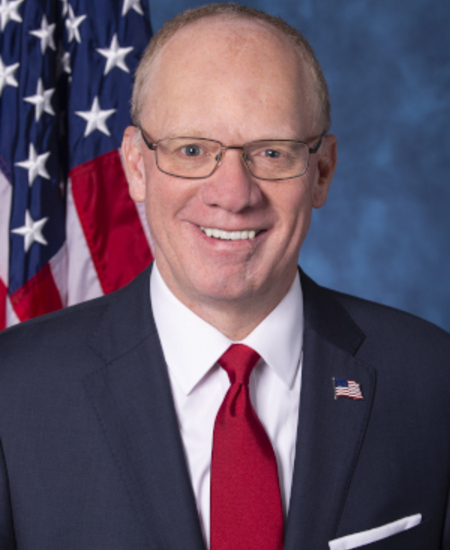
Rep. John W. Rose
Sponsored bills
Protecting Horses from Soring Act of 2023 This bill revises requirements concerning the inspection of horse shows, exhibitions, sales, and actions for sored horses (e.g., horses suffering from pain when moving due to substances or devices placed on their limbs). Specifically, this bill replaces a requirement for the Department of Agriculture to prescribe regulations governing the appointment of inspectors with a requirement for the Horse Industry Organization, which is established by this bill, to appoint inspectors.
Maddy summaryHR 2620, the Federal Firearms Licensee Protection Act of 2023, increases penalties for crimes targeting firearms licensees. It amends Section 924 of Title 18 to impose mandatory minimum sentences of 3 years for burglaries or 5 years for robberies committed at the business premises of licensed firearms dealers, manufacturers, or importers. The bill specifically targets violations of Section 922(u), which prohibits unauthorized access to these premises, and adds "attempts to do so" to the penalties. This directly affects licensed firearms businesses by strengthening legal protections against theft or violence at their locations. The law creates clearer, harsher consequences for crimes committed during burglaries or robberies at these specific business sites.
Maddy summaryHR 2380, the Cellphone Jamming Reform Act of 2023, allows state and federal correctional facilities (like prisons and jails) to operate cellphone jamming systems to block wireless signals from contraband devices or communications involving individuals held in the facility. The bill restricts the Federal Communications Commission (FCC) from blocking such jamming systems, but requires facilities to limit jamming only to housing areas, have state facilities cover all costs, and consult with local law enforcement before implementation. It defines "jamming systems" broadly to include all necessary equipment and installation details. This bill directly affects correctional facilities seeking to prevent cell phone use by inmates, particularly for security purposes related to contraband. The law does not create new restrictions on cellphone use but changes how facilities can deploy jamming technology.
Maddy summaryHR 1812 requires the Federal Communications Commission (FCC) to study whether the Universal Service Fund (USF), which funds broadband access in rural and low-income areas, should expand who pays into the fund to ensure fairness. Within 120 days of enactment, the FCC must complete this study and report findings to Congress. By one year after enactment, the FCC must also develop new rules to reform the USF contribution system, specifically expanding who contributes. This directly affects telecommunications companies that pay into the USF, as the changes could shift funding responsibilities, potentially impacting broadband costs for consumers and businesses. The bill aims to make the funding system more equitable without specifying final changes.
Maddy summaryThe ALIGN Act (HR 2406) permanently allows businesses to deduct the full cost of qualified equipment and machinery in the year of purchase, rather than spreading the deduction over multiple years. This applies to property placed in service after September 27, 2017, directly affecting businesses that make capital investments in eligible assets like manufacturing equipment or commercial facilities. The bill eliminates the previous requirement to depreciate these costs over time, reducing taxable income in the purchase year. It makes a temporary 2017 tax provision permanent, impacting businesses across various industries that purchase qualifying property.
Maddy summaryHR 1818, the Aviation Workforce Development Act, expands tax-advantaged savings plans (529 plans) to cover costs for specific aviation training programs. It allows funds from these plans to pay for tuition, fees, and required materials at FAA-certified aviation maintenance technician schools (Part 147) or commercial pilot training programs (Part 61 or 141). This directly affects students pursuing careers as aircraft maintenance technicians or commercial pilots by making these training costs more affordable through existing tax-advantaged savings. The bill amends the tax code to include these programs under "qualified higher education expenses" for 529 plan distributions.
Maddy summaryHR 1806, the Small LENDER Act, reduces reporting burdens for small lenders by creating a phased transition period for new data collection rules under the Equal Credit Opportunity Act. It requires regulators to give qualifying small lenders a 3-year period to comply with new rules and a subsequent 2-year "safe harbor" period during which they aren’t penalized for non-compliance. A "small business lender" is defined as one originating at least 500 small business loans (defined as loans to entities with $1 million or less in annual revenue) in each of the two prior calendar years. This directly affects small lenders meeting these volume thresholds, easing their administrative burden without changing existing lending standards.
Maddy summaryThe Bank Loan Privacy Act (HR 1810) requires the Consumer Financial Protection Bureau (CFPB) to issue a rule with public notice and comment before deleting or modifying data related to credit applications. The rule must describe the intended data changes and explain how they protect consumer privacy. This law directly affects the CFPB's procedures for handling credit data, adding a transparency step before any data modifications. It does not change credit reporting content but mandates public input for privacy-focused data adjustments.
Maddy summaryHR 1777 establishes a $50 million annual fund (2024-2028) for collaborative defense research between the U.S. and Israel in emerging technologies like artificial intelligence, cybersecurity, directed energy, and automation. The bill directly supports U.S. and Israeli military forces by enabling joint development of new warfare capabilities to address current and future defense challenges. Key provisions include authorizing $50 million per year for collaborative projects, building on existing U.S.-Israel defense partnerships like counter-tunnel and counter-drone systems. This funding aims to strengthen bilateral defense innovation without altering existing military aid structures.