

Maddy summaryHR 649, the Whole Milk for Healthy Kids Act of 2025, amends the National School Lunch Act to allow schools participating in the program to offer students both organic and non-organic whole milk, in addition to reduced-fat, low-fat, and fat-free options. Key provisions include clarifying that milk fat in whole milk should not count toward saturated fat limits for meal compliance, prohibiting schools from purchasing milk from Chinese state-owned enterprises, and ensuring schools cannot be barred from offering the full range of milk types listed. The bill directly affects public and private schools serving the National School Lunch Program by expanding their milk options for students. It focuses on concrete policy changes to dietary offerings and sourcing restrictions within the school nutrition program.
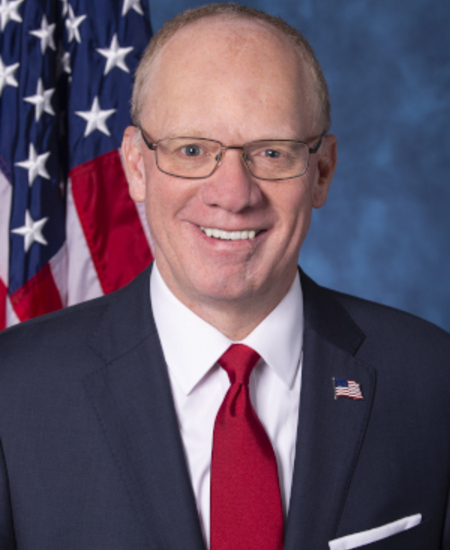
Rep. John W. Rose
Sponsored bills
Maddy summaryThis resolution establishes a House select committee to investigate claims about President Biden's cognitive and physical health decline and whether information was concealed from the public. The committee will specifically examine his cancer diagnosis, roles of administration figures (including Vice President Harris and Jill Biden), media coverage of his health, and classified document handling. It cannot pass laws but must issue a final report by December 31, 2025, detailing findings and recommendations. The committee's work is limited to fact-finding through hearings and evidence gathering, not policy-making.
Maddy summaryThis bill changes the governance structure of the Consumer Financial Protection Bureau (CFPB) from a single Director to a 5-member commission. The commission would require at least 2 members with private sector financial experience and at least 1 member with State bank supervision experience, all appointed by the President with Senate confirmation. The bill updates references to "Director" throughout various laws to "Commission" or "Chair" to reflect this new structure. These changes aim to create a more balanced leadership model for the Bureau while maintaining its regulatory authority over consumer financial products and services.
Maddy summaryHRES 412 is a non-binding House resolution congratulating Pope Leo XIV on his historic election as the 267th pope and the first American-born pope in the Catholic Church's 2,000-year history. The resolution recognizes his Chicago upbringing, missionary work in Peru, and commitment to humility and pastoral care, highlighting his significance for American Catholics. As a symbolic gesture with no legal effect, it expresses the House's support for his leadership without altering any policies or affecting any stakeholders.
Maddy summaryThe Pregnancy.Gov Act requires the creation of a federal website, pregnancy.gov, to help pregnant and postpartum women find local resources. The website must allow users to search by ZIP code, filter services by distance (1-100 miles), and provide feedback on usability. It prohibits listing organizations that provide or support abortions (including abortion counseling, referrals, or financial support) and excludes such entities from receiving federal grants for resource aggregation. Within 180 days of launch, the government must report to Congress on website traffic, user experience, and gaps in available services, with multilingual access required.
Maddy summaryThis bill creates a new system for recognizing and regulating individuals who help veterans file benefit claims. It requires the VA to provide veterans with information about free assistance options and maintain a public list of accredited representatives. The bill sets a maximum fee limit of $12,500 or 5 times the monthly benefit increase for representatives, and establishes penalties for unaccredited representatives who charge improper fees. The law aims to protect veterans from unscrupulous representatives while ensuring they have access to quality assistance with their benefit claims.
Maddy summaryThe STABLE Act of 2025 establishes a regulatory framework for stablecoins, which are digital assets designed to maintain a stable value relative to a national currency. It restricts stablecoin issuance to "permitted payment stablecoin issuers," including bank subsidiaries, federally-approved nonbank entities, and state-qualified issuers. These issuers must maintain 1:1 reserves backed by specific assets (like U.S. currency, Treasury securities, or demand deposits), publish monthly reserve reports, and cannot pay interest to stablecoin holders. The Act also includes transparency requirements, restrictions on leadership (prohibiting those with certain felony convictions), and preempts conflicting state laws for federally-approved issuers.
Maddy summaryHR 976, the "1071 Repeal to Protect Small Business Lending Act," would repeal data collection and reporting requirements for small business loans under Section 704B of the Equal Credit Opportunity Act. This specifically removes the mandate for financial institutions - especially community banks and credit unions - to track and submit loan data by business characteristics like race or gender. The bill aims to reduce compliance costs for lenders, which its findings argue limit small business access to credit. The repeal would eliminate these reporting obligations and remove references to the requirement from related federal laws.
Maddy summaryThis bill provides a 3-year transition period for newly insured banks to meet federal capital requirements, easing compliance for institutions that recently became federally insured. It allows these banks to request temporary deviations from approved business plans, with regulators required to respond within 30 days (or the request is automatically approved). Small rural banks with less than $10 billion in assets located in rural areas receive a lower 8% leverage ratio requirement during this transition. Additionally, the bill expands lending authority for certain banks to include agricultural loans and requires a federal study on increasing new bank formations in underserved areas.
Maddy summaryHR 3033, the "Protecting the Mailing of Firearms Act," repeals a federal law (18 U.S.C. §1715) that previously prohibited mailing firearms and related items. This bill directly affects firearm sellers, buyers, and the U.S. Postal Service by removing the ban on mailing firearms, ammunition, and components. It also prohibits the Postmaster General from creating rules that would block firearm mailings or require disclosure of sales receipts, transaction records, or firearm serial numbers. The law takes effect immediately for pending cases and prevents new restrictions on firearm shipping through the postal system.