

Child Welfare Provider Inclusion Act of 2021 This bill generally prohibits the federal government, states, tribal nations, or localities from discriminating or taking adverse action against a child welfare provider that declines to provide services due to the provider's sincerely held religious beliefs or moral convictions. However, government entities may still take adverse action against a provider that declines to provide adoption or foster care services based on race, color, or national origin. The Department of Health and Human Services must withhold a portion of federal funding for family services and child welfare activities from a government entity that discriminates against a child welfare provider in violation of this bill. Child welfare providers may also sue the government entity for such discrimination. A prevailing provider may recover reasonable attorney's fees and costs. Furthermore, government entities that accept certain federal funding for family services and child welfare activities must waive sovereign immunity as a defense to lawsuits brought under this bill. (In many cases, sovereign immunity shields states, territories, tribal nations, and some localities against private suits.)
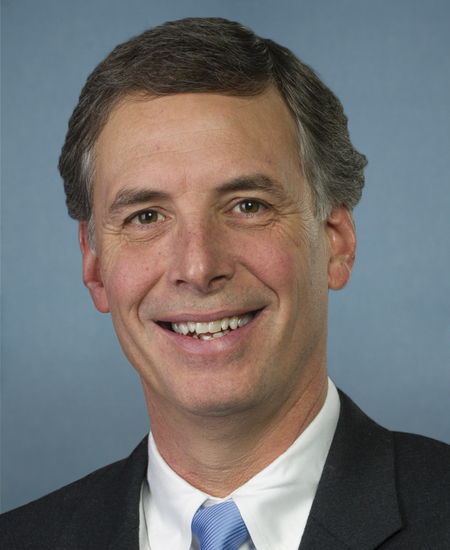
Rep. Tom Rice
Sponsored bills
Support Children Having Open Opportunities for Learning Act of 2021 or the SCHOOL Act of 2021 This bill allows certain federal funds for elementary and secondary education to follow the student to the school that they attend (i.e., public, private, or home school), regardless of whether the student is learning in person or remotely. These funds may be used for educational and instructional materials, tutoring, tuition for private school, and extracurricular activities.
This joint resolution proposes a constitutional amendment repealing the Twenty-third Amendment to the Constitution (allowing citizens residing in the District of Columbia to vote for presidential electors, who in turn vote in the electoral college for the President and Vice President).
District of Columbia-Maryland Reunion Act This bill cedes the District of Columbia to Maryland after Maryland's acceptance of the retrocession. Furthermore, the bill declares that the National Capital Service Area in the District shall not be ceded and relinquished to Maryland and shall continue to serve as the permanent seat of the federal government. The bill maintains the exclusive legislative authority and control of Congress over the area. Finally, excluding the District Building, the area shall include the principal federal monuments, the White House, the U.S. Capitol, the U.S. Supreme Court Building, the federal executive, legislative, and judicial office buildings located adjacent to the Mall and the U.S. Capitol, and the Frances Perkins Building, including any portion of it north of D Street NW.
David Dorn Act of 2021 This bill increases criminal penalties for rioting and related offenses (e.g., inciting a riot). Specifically, the bill increases the maximum prison term from 5 to 10 years. Additionally, if a fine is imposed for an offense, the bill sets a minimum fine amount of $1,000.
Patrick Underwood Federal Law Enforcement Protection Act of 2021 This bill revises the federal criminal statute that prohibits assaulting, resisting, or impeding certain federal officers or employees. Among other changes, the bill increases the applicable penalties for such offenses.
No Asylum for Criminals Act of 2021 This bill bars an individual who has been convicted of a crime from receiving asylum, with limited exceptions. Specifically, the Department of Homeland Security may designate political offenses committed outside of the United States that shall not be considered a crime for this purpose. Currently, an individual shall be barred from receiving asylum for only certain types of criminal convictions, such as if the individual is convicted for (1) an aggravated felony, or (2) a particularly serious crime and as a result deemed a danger to the United States.
This joint resolution proposes a constitutional amendment limiting Representatives to three terms and Senators to two terms. Terms beginning before the ratification of this amendment do not count towards these term limits.
This joint resolution proposes a constitutional amendment prohibiting total outlays for a fiscal year from exceeding total receipts for that fiscal year unless Congress authorizes the excess by a three-fifths roll call vote of each chamber. The prohibition excludes outlays for repayment of debt principal and receipts derived from borrowing. The amendment requires roll call votes of (1) three-fifths of each chamber of Congress to increase the public debt limit, and (2) a majority of each chamber for legislation increasing revenue. It also requires the President to submit a balanced budget to Congress annually. Congress is authorized to waive these requirements when a declaration of war is in effect or if the United States is engaged in a military conflict which causes an imminent and serious military threat to national security.
This joint resolution proposes an amendment to the Constitution to require that the Supreme Court consist of nine Justices.