Pain-Capable Unborn Child Protection Act This bill establishes a new criminal offense for performing or attempting to perform an abortion if the probable post-fertilization age of the fetus is 20 weeks or more. A violator is subject to criminal penalties—a fine, a prison term of up to five years, or both. The bill provides exceptions for an abortion (1) that is necessary to save the life of the pregnant woman, or (2) when the pregnancy is the result of rape or incest. A physician who performs or attempts to perform an abortion under an exception must comply with specified requirements. A woman who undergoes a prohibited abortion may not be prosecuted for violating or conspiring to violate the provisions of this bill.
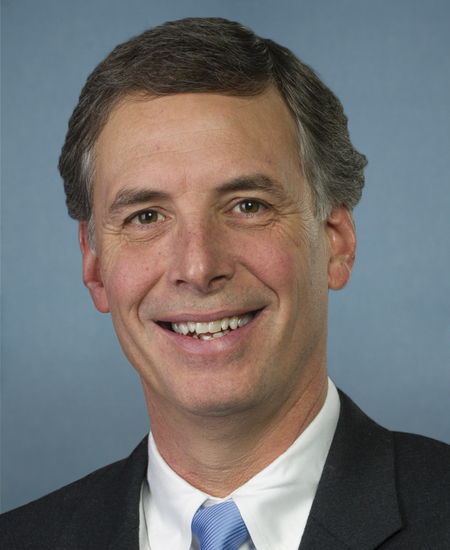
Rep. Tom Rice
Sponsored bills
This joint resolution proposes a constitutional amendment requiring Representatives to be apportioned according to the number of U.S. citizens in each state, rather than the number of persons in each state.
Promoting Responsible and Effective Virtual Experiences through Novel Technology to Deliver Improved Access and Better Engagement with Tested and Evidence-based Strategies Act or the PREVENT DIABETES Act This bill requires the Centers for Medicare & Medicaid Services to allow online or virtual diabetes prevention programs that meet standards set by the Centers for Disease Control and Prevention (CDC) to participate in the Medicare Diabetes Prevention Program Expanded Model. The model provides CDC-approved training on dietary changes, physical activity, and other behavioral strategies for beneficiaries who are at risk of developing type 2 diabetes.
No Taxpayer Funding for Abortion and Abortion Insurance Full Disclosure Act of 2021 This bill modifies provisions relating to federal funding for, and health insurance coverage of, abortions. Specifically, the bill prohibits the use of federal funds for abortions or for health coverage that includes abortions. Such restrictions extend to the use of funds in the budget of the District of Columbia. Additionally, abortions may not be provided in a federal health care facility or by a federal employee. Historically, language has been included in annual appropriations bills for the Department of Health and Human Services (HHS) that prohibits the use of federal funds for abortions—such language is commonly referred to as the Hyde Amendment. Similar language is also frequently included in appropriations bills for other federal agencies and the District of Columbia. The bill makes these restrictions permanent and extends the restrictions to all federal funds (rather than specific agencies). The bill's restrictions regarding the use of federal funds do not apply in cases of rape, incest, or where a physical disorder, injury, or illness endangers a woman's life unless an abortion is performed. The Hyde Amendment provides the same exceptions. The bill also prohibits qualified health plans from including coverage for abortions. Currently, qualified health plans may cover abortion, but the portion of the premium attributable to abortion coverage is not eligible for subsidies.
Growing Climate Solutions Act of 2021 This bill authorizes the Department of Agriculture (USDA) to establish a voluntary Greenhouse Gas Technical Assistance Provider and Third-Party Verifier Certification Program to help reduce entry barriers into voluntary environmental credit markets for farmers, ranchers, and private forest landowners. A voluntary environmental credit market is a market through which agriculture and forestry credits may be bought or sold. Entities eligible to participate in the program are (1) providers of technical assistance to farmers, ranchers, or private forest landowners in carrying out sustainable land use management practices that prevent, reduce, or mitigate greenhouse gas emissions, or sequester carbon; or (2) third-party verifiers that conduct the verification of the processes described in the protocols for voluntary environmental credit markets. Among other requirements, USDA must publish (1) a list of protocols and qualifications for eligible entities; (2) information describing how entities may self-certify under the program; (3) information describing how entities may obtain the expertise to meet the protocols and qualifications; and (4) instructions and suggestions to assist farmers, ranchers, and private forest landowners in facilitating the development of agriculture or forestry credits and accessing voluntary environmental credit markets. USDA must also establish an advisory council to make recommendations regarding the list of protocols and qualifications, best practices, and voluntary environmental credit markets. The bill also rescinds certain funds provided in the American Rescue Plan Act of 2021 and makes the funds available for the certification program.

Working Families Childcare Access Act of 2021 or the WFCA Act of 2021 This bill allows certain additional expenses in a dependent care flexible spending arrangement (FSA), specifically qualified sports, tutoring, and music or art expenses. It also increases the eligibility age for dependent care benefits to 15, allows a carry forward of unused benefits to the next plan year, and increases to $15,000 the maximum amount of dependent care benefits excludible from employee gross income.
This resolution expresses the sense of the House of Representatives that (1) clean water is a national priority, and (2) the 2020 final rule titled The Navigable Waters Protection Rule: Definition of "Waters of the United States" should not be withdrawn or vacated.
No TikTok on Government Devices Act This bill requires the social media video application TikTok to be removed from the information technology of federal agencies. Specifically, the bill requires the Office of Management and Budget to develop standards for executive agencies that require TikTok and any successor application from the developer to be removed from agency information technology (e.g., devices). Such standards must include exceptions for law enforcement activities, national security interests, and security researchers.
Accelerate Long-term Investment Growth Now Act or the ALIGN Act This bill makes permanent the expensing of certain new business equipment. Expensing allows the deduction of the full amount of an expense item in the same taxable year.
BUILDER Act of 2021 or the Building United States Infrastructure through Limited Delays and Efficient Reviews Act of 2021 This bill places limits on the environmental review of proposed major federal actions under the National Environmental Policy Act of 1969 (NEPA) and establishes deadlines and other requirements to expedite the environmental review of such actions. Specifically, the bill limits the scope of the environmental review of major federal actions significantly affecting the quality of the human environment as specified by the bill. The bill also specifies the thresholds that trigger when agencies must issue environmental assessments and environmental impact statements for proposed agency actions, outlines when agencies are not required to prepare environmental documents for such actions, and establishes deadlines to complete such documents. The bill also establishes a process for designating a lead federal agency as well as a joint lead agency, such as a state government, to supervise the environmental review under NEPA. A lead agency may allow a project sponsor to prepare environmental documents under specified circumstances. Additionally, the bill revises requirements concerning the judicial review of NEPA cases, including by establishing deadlines to file lawsuits under NEPA.