

Maddy summaryThis bill authorizes Congress to award two gold medals in honor of Charlie Kirk, a conservative activist and founder of Turning Point USA, who was tragically killed in 2025. One medal will go to his family, and the other will be displayed at the Smithsonian Institution to preserve his legacy. The bill does not create new policy or affect any laws - it is purely commemorative, following standard procedures for Congressional Gold Medals. It includes provisions for striking the medals and selling bronze duplicates to cover costs, but contains no substantive legislative changes.
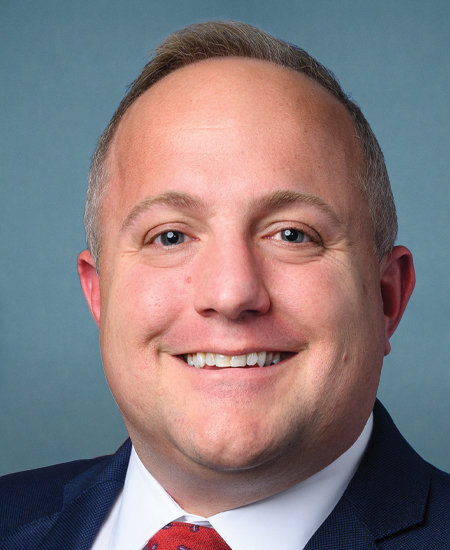
Rep. Russell Fry
Sponsored bills
Maddy summaryHR 4070, the Tren de Aragua Border Security Threat Assessment Act, requires the Secretary of Homeland Security to conduct a detailed assessment of the criminal threats posed by the Venezuelan gang Tren de Aragua to U.S. borders within 180 days of the bill's enactment. The assessment must cover the group's origins, methods, funding, and specific threats to the southwest, northern, and maritime borders, followed by a strategic plan within one year outlining how federal, state, and local agencies will counter these threats through information sharing, interdiction, and preventing the group's expansion in the U.S. The bill directly affects DHS, intelligence agencies, and border law enforcement partners by mandating these reports and planning processes.
Maddy summaryThe Fisheries Data Modernization and Accuracy Act of 2025 reforms how recreational fishing data is collected and used by the National Marine Fisheries Service. It establishes a standing committee with the National Academies to advise on data collection methods, sets a 30% threshold for data reliability (percent standard error), and requires consultation when data falls below this level. States can develop their own data collection programs that may replace federal MRIP data when they meet specific standards, and the bill creates a grant program to help states improve their systems. The bill requires annual reports on implementation and data quality improvements, affecting recreational fishing management across all coastal states and federal fisheries agencies.
Maddy summaryHRES 864 is a ceremonial resolution honoring U.S. veterans on Veterans Day 2025. It does not create new laws or policies but formally recognizes veterans' service and sacrifice, calling on all Americans to observe Veterans Day. The resolution references historical context about Veterans Day's origins (from Armistice Day to honoring all veterans) but contains no concrete policy changes. It directly addresses the general public, urging them to participate in the observance. As a non-binding resolution, it affects no specific individuals or groups through legislative action.
Maddy summaryHRES 866 is a non-binding House resolution condemning the systematic persecution of Christians in Nigeria by groups like Boko Haram and Fulani militants, and criticizing Nigeria's government for failing to protect Christian communities or acknowledge the violence. It calls on the U.S. government to support President Trump in using diplomatic, economic, and security tools to pressure Nigeria to end impunity for attacks, protect Christians, return displaced persons, and repeal blasphemy laws. The resolution specifically demands action against religiously motivated violence, including the release of those imprisoned for their faith, and urges coordination with international partners for humanitarian aid. It does not create new laws but expresses congressional support for U.S. policy actions targeting Nigeria's religious freedom violations.
Maddy summaryHR 5934, the Major Thomas D. Howie Congressional Gold Medal Act, authorizes the posthumous award of a Congressional Gold Medal to Major Thomas D. Howie for his bravery and service during the Battle of Normandy in World War II. The medal, to be struck by the U.S. Mint, will be presented to his nephew, Tom Howie, or his next of kin, and then displayed at The Citadel Museum. This bill is purely commemorative and does not create new legal requirements or funding obligations. It honors Major Howie’s leadership in capturing St. Lo, France - a pivotal moment in liberating Western Europe from Nazi occupation - based on his documented sacrifice during the 1944 campaign.
Maddy summaryThis bill ensures that critical firearm-related government operations continue during federal shutdowns. It designates background checks (via the FBI's National Instant Criminal Background Check System), Bureau of Alcohol, Tobacco, Firearms and Explosives enforcement, and firearm export licensing (handled by Commerce and State Departments) as essential services that must remain operational. These functions would be treated as "excepted" under federal law, meaning their employees would continue working even if other government services halt. The bill affects how background checks and firearm export licenses are processed during shutdowns but does not change gun ownership laws or eligibility.
Maddy summaryThe No Tax Exemptions For Terror Act would deny tax-exempt status under section 501(c)(3) of the Internal Revenue Code to the Council on American-Islamic Relations (CAIR) and any organization determined to have ties to terrorism or terrorist groups. This means these organizations would no longer qualify for federal tax-exempt status, requiring them to pay income taxes on their earnings. The provision applies to taxable years ending after the bill's enactment date. The bill directly affects organizations identified by the government as having connections to terrorism.
Maddy summaryHR 5795, the Deportation Disclosure Act, requires the Department of Homeland Security to publish specific details online for individuals with final orders of removal. The bill mandates that DHS post each person's name, photograph, aliases, and last known state of residence on its website after enactment. This applies directly to immigrants who have been issued final removal orders by immigration authorities. The law changes transparency by making this information publicly accessible, without altering the immigration process or removal criteria.
Maddy summaryThis bill would deny visas and immigration benefits to individuals who adhere to Sharia law, directly affecting immigrants and visa applicants. It allows officials to revoke existing immigration benefits, deport people found adhering to Sharia, and penalize false statements about Sharia adherence. Decisions under this law would be final and unreviewable by courts. The policy changes immigration eligibility based solely on adherence to Sharia law, with no judicial oversight.