

Maddy summaryHR 4092, the Protect RAIL Act, amends U.S. immigration law to make certain crimes involving stolen goods transported by carriers (like trains, trucks, or ships) grounds for denying entry or deporting non-citizens. It adds new inadmissibility and deportability provisions for anyone convicted of theft from interstate or foreign shipments under Title 18, Section 659 of the U.S. Code. The bill directly affects non-citizens who commit these specific theft offenses, making them ineligible to enter the U.S. or subject to removal. This changes immigration consequences for existing criminal offenses, not the crimes themselves.
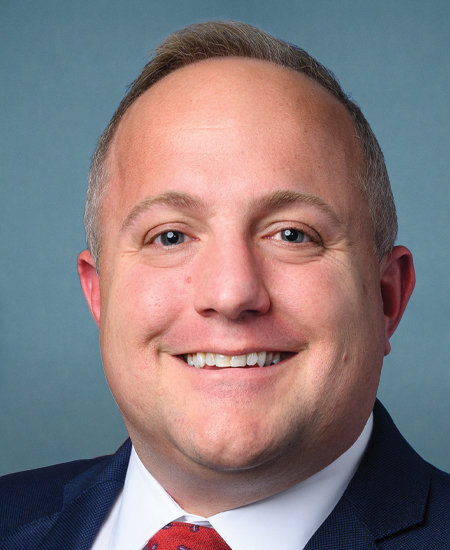
Rep. Russell Fry
Sponsored bills
Maddy summaryHR 4053, the "Stop Funding Rioters Act," blocks individuals convicted of specific offenses from accessing Small Business Administration (SBA) programs. It directly affects people convicted of assaulting police officers (as a misdemeanor or felony) or committing a felony during a riot that destroyed a small business. The bill's key provision denies eligibility for any SBA assistance, loans, or programs to these individuals. This policy change modifies SBA program access based solely on prior criminal convictions related to violence against law enforcement or riot-related property damage.
Maddy summaryHRES 481 is a symbolic resolution condemning recent antisemitic attacks in the U.S., specifically referencing the June 1, 2025, Boulder, Colorado, assault on a Jewish community gathering and other incidents like the May 2025 Washington, D.C., embassy shooting. It formally recognizes a pattern of violence targeting Jewish individuals and institutions, including attacks during religious events. The resolution calls on law enforcement to thoroughly investigate and prosecute such incidents and urges elected officials to publicly oppose antisemitism and politically motivated violence. As a non-binding resolution, it does not create new laws or allocate funding but serves to affirm congressional stance against antisemitism.
Maddy summaryThe SKIM Act (HR 3810) increases penalties for fraud involving counterfeit access devices like credit cards. It requires the U.S. Sentencing Commission to raise fraud offense levels by 4 points (minimum level 14) and count all unauthorized charges from 10+ counterfeit devices toward total losses. The bill also mandates a 90-day report to Congress from the Attorney General and DHS, detailing law enforcement coordination, fraud technologies, assistance requests, and recommendations for combating such fraud. This directly affects federal courts (through sentencing changes), law enforcement agencies, and businesses vulnerable to access device fraud.
Maddy summaryThis bill would reform immigration parole by requiring the Secretary of Homeland Security to grant temporary entry only on a case-by-case basis for urgent humanitarian needs or significant public benefit, reversing what the bill describes as systemic overuse. It imposes a strict annual cap of 3,000 paroles starting in fiscal year 2029, restricts parole for nationals of designated "countries of concern" without a State Department waiver, and allows states to sue if they claim financial harm exceeding $100 from parole decisions. The bill directly affects immigrants seeking temporary entry and DHS officials administering the program. Key mechanisms include the new cap, country restrictions, and state lawsuit provisions to enforce compliance.
Maddy summaryThis bill modifies how federal officials issue subpoenas in child predator investigations. It requires recipients (like banks or internet companies) to keep the existence of such subpoenas secret for 180 days, unless a court approves disclosure. Recipients can seek court review within 30 days if they believe the secrecy rule is unjustified, with courts requiring proof that disclosure could endanger victims, hinder investigations, or risk evidence tampering. The law applies specifically to administrative subpoenas issued under Homeland Security authority for active child predator cases.
Maddy summaryThis bill allows current and retired federal law enforcement officers to purchase their personally issued service firearms after they are retired by the agency. Officers must buy within six months of retirement, be in good standing with their agency, and pay the firearm's salvage value (based on age and condition). The program applies only to standard firearms (excluding machine guns), and agencies must establish the purchase program within one year of the bill's enactment. It directly affects officers who served with agency-issued weapons and agencies managing surplus property.
Maddy summaryThis bill amends the Victims of Crime Act to expand compensation for "angel families" - immediate family members of homicide victims caused by undocumented immigrants (under INA 212(a)(6)(A)(i)) or international drug cartel members (under Controlled Substances Act). It adds coverage for emotional distress-related wage loss and medical expenses, alongside existing medical, funeral, and physical injury costs. The bill also creates a new Victims of Immigration Crime Engagement Office within Homeland Security to provide victims and families with support services, referrals, and criminal history information, while requiring annual reports tracking crime demographics, locations, and perpetrator patterns. These changes directly affect families of homicide victims where the perpetrator fits the specified categories of immigration or drug trafficking violations.
Maddy summaryThis bill increases mandatory prison sentences for non-citizens convicted of certain crimes after entering the U.S. without authorization or being deported. It raises the minimum sentence from 2 to 5 years for those who improperly enter the U.S. and later commit a crime punishable by over one year in prison. For non-citizens previously deported who commit crimes, it increases the minimum sentence from 2 to 10 years and mandates at least 10 years for offenses including aggravated felonies, state/federal felonies, or crimes punishable by over one year. These changes apply to all non-citizens convicted under these circumstances, regardless of jurisdiction.
Maddy summaryHR 2968 prohibits the Small Business Administration (SBA) from using its programs or funds to assist with voter registration. It requires all SBA contracts to include terms banning recipients from using assistance for voter registration and prevents state or local governments receiving SBA funds from doing so. The bill directly affects SBA operations and its grant recipients, including state agencies, by restricting how federal funds can be utilized. It does not create new programs but limits the SBA’s existing authority to avoid involvement in voter registration activities.