

Maddy summaryThe Countering Transnational Repression Act of 2025 establishes a new Transnational Repression Working Group within the Department of Homeland Security to monitor and address threats where foreign governments or their agents target individuals in the U.S. through coercion, harassment, surveillance, or threats. The bill requires the Working Group to produce annual assessments of such incidents - including data on perpetrators, countries involved, and government responses - and share information with law enforcement partners. It mandates privacy and civil liberties safeguards, prohibits infringing on free speech, and includes a 7-year sunset provision. The law directly affects DHS operations, federal-state-local law enforcement coordination, and individuals targeted by foreign government repression tactics.
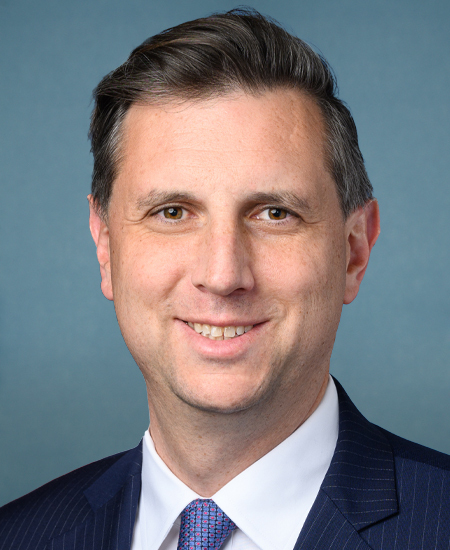
Rep. Seth Magaziner
Sponsored bills
Maddy summaryHR 2139 requires the Department of Homeland Security to develop training for state, local, Tribal, campus, and territorial law enforcement to identify and respond to foreign government actions targeting U.S. persons (e.g., coercion, harassment, or threats for exercising constitutional rights). The training covers recognizing transnational repression tactics, collecting and sharing relevant data with communities, and providing personal safety guidance for victims. It also includes community awareness briefings to help affected individuals identify threats and access support services like victim assistance programs. The program will be delivered through federal training centers and coordinated with fusion centers, aiming to strengthen local capabilities without changing existing laws.
Maddy summaryThis bill requires the Department of Homeland Security to launch a public service campaign educating the public and international allies about transnational repression - when foreign governments harass, threaten, or retaliate against people in the U.S. to coerce them or punish exercise of rights. The campaign must provide resources for victims, including anonymous FBI reporting options, and operate in relevant languages. It also mandates research into technologies to help law enforcement counter these threats while respecting privacy and civil liberties. The bill directly affects victims of transnational repression and federal, state, local, tribal, and territorial law enforcement agencies.
Maddy summaryHR 1423, the Guard and Reserve GI Bill Parity Act of 2025, expands GI Bill benefits to National Guard members who serve on full-time National Guard duty or active duty under Title 32. It removes previous exclusions by counting this service toward eligibility for Post-9/11 educational benefits, just like active-duty service. The change applies retroactively to service performed since September 11, 2001, allowing affected veterans to access benefits they were previously denied. This policy adjustment directly affects National Guard members who completed qualifying full-time duty since 2001.
Maddy summaryThe Raise the Wage Act of 2025 gradually increases the federal minimum wage from $9.50 to $17.00 per hour over six years, with annual adjustments based on median wage growth. It raises the base wage for tipped workers from $6.00 to $17.00 per hour, phasing out their separate minimum wage structure by 2029. The bill also eliminates special minimum wage certificates for disabled workers after 2029, requiring employers to pay the standard minimum wage. These changes apply to most covered workers, including tipped employees and those under 20, with specific transition timelines for each group.
Maddy summaryThis bill establishes federal minimum standards for collective bargaining rights for public employees and supervisors. The Federal Labor Relations Authority would determine if state laws provide these rights, and if not, would establish them for affected employees. The bill guarantees public employees the right to form unions, bargain collectively, and engage in concerted activities, while requiring public employers to recognize unions and put agreements in writing. It also prohibits strikes or lockouts that would disrupt emergency services. This would apply to public employees in states that don't meet the federal standards for collective bargaining rights.
Maddy summaryThe Affordable Housing Credit Improvement Act of 2025 would reform the Low-Income Housing Credit program, which provides tax credits to developers of affordable housing. It would increase state allocations based on population with annual cost-of-living adjustments, modify tenant eligibility rules to allow higher income limits for some residents, and add protections for domestic violence victims in housing. The bill would simplify rules for rural and Native American housing projects, clarify credit eligibility requirements, and require greater transparency in program administration. These changes would directly affect developers, property owners, and low-income tenants in housing projects that receive LIHC tax credits.
Maddy summaryThe Invest to Protect Act of 2025 establishes a $50 million annual grant program (2027-2031) for local governments employing fewer than 175 law enforcement officers, including counties, municipalities, and Tribal governments. Grants fund de-escalation training, victim-centered domestic violence response training, evidence-based safety training for scenarios like mental health crises or active shooters, recruitment/retention bonuses (capped at 20% of salary), and mental health resources for officers. Recipients must report on program use, disclose bonus amounts publicly, and comply with audits to prevent misuse of funds. The bill aims to improve officer safety and community relations through targeted support for smaller law enforcement agencies.
Maddy summaryHR 2698, the Bolstering Security Against Ghost Guns Act, mandates federal agencies to develop coordinated strategies addressing threats from "ghost guns" (privately made firearms). It requires the Department of Homeland Security to create a department-wide strategy within one year, including cross-agency collaboration and partner coordination. The bill also directs the Transportation Security Administration to report annually on ghost gun violations at checkpoints, U.S. Immigration and Customs Enforcement to analyze cross-border firearm smuggling patterns, and the Office of Intelligence and Analysis to produce threat assessments on terrorism-linked ghost gun use. These provisions apply directly to DHS components, the Secret Service, TSA, and ICE, focusing on data sharing, threat reporting, and prevention efforts without imposing new restrictions on firearm ownership.
Maddy summaryThe No Tax Breaks for Union Busting Act would deny tax deductions for employers who spend money to influence employees' decisions about union activities, such as union elections or collective bargaining. It defines "labor organization activities" broadly to include union elections, labor disputes, and collective actions. The bill requires employers to report such spending on tax returns and prevents them from deducting these expenses from taxable income. This would apply to employers using tactics like captive audience meetings, outside consultants, or other efforts to sway workers' union decisions. The policy aims to remove tax incentives for employers to interfere with workers' rights under labor law.