

Paycheck Fairness Act This bill addresses wage discrimination on the basis of sex, which is defined to include pregnancy, sexual orientation, gender identity, and sex characteristics. Specifically, it limits an employer's defense that a pay differential is based on a factor other than sex to only bona fide job-related factors in wage discrimination claims, enhances nonretaliation prohibitions, and makes it unlawful to require an employee to sign a contract or waiver prohibiting the employee from disclosing information about the employee's wages. The bill also increases civil penalties for violations of equal pay provisions. Additionally, the Equal Employment Opportunity Commission (EEOC) and the Office of Federal Contract Compliance Programs must train EEOC employees and other affected parties on wage discrimination. The bill directs the Department of Labor to (1) establish and carry out a grant program to provide training in negotiation skills related to compensation and equitable working conditions, (2) conduct studies to eliminate pay disparities between men and women, and (3) make available information on wage discrimination to assist the public in understanding and addressing such discrimination. The bill establishes the National Award for Pay Equity in the Workplace for an employer who has made a substantial effort to eliminate pay disparities between men and women. It also establishes the National Equal Pay Enforcement Task Force to address compliance, public education, and enforcement of equal pay laws. Finally, the bill requires the EEOC to issue regulations for collecting from employers compensation and other employment data according to the sex, race, and national origin of employees for use in enforcing laws prohibiting pay discrimination.
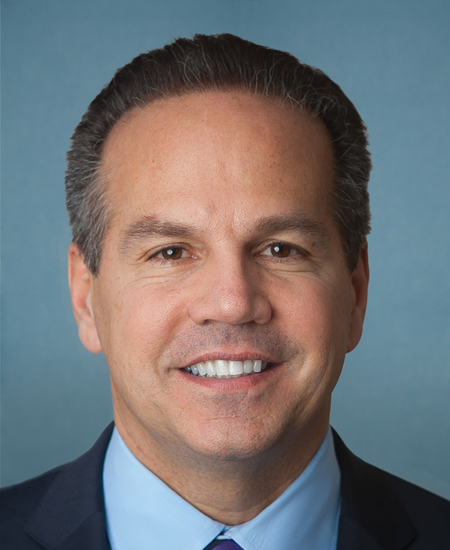
Rep. David N. Cicilline
Sponsored bills
This resolution commends domestic and international efforts to combat human immunodeficiency virus/acquired immunodeficiency syndrome (HIV/AIDS) and calls for additional actions to address the disease.
Made in America Act of 2021 This bill requires that materials used in carrying out federal infrastructure aid programs are made in the United States. The term produced in the United States means, in the case of iron or steel products, that all manufacturing processes for the iron or steel product, from the initial melting stage through the application of coatings, occurred in the United States; manufactured products, that the product was manufactured in the United States and that the cost of the components of the manufactured product that are mined, produced, or manufactured in the United States is greater than 50% of the total cost of all components of the manufactured product; and construction materials, that all manufacturing processes for the construction material occurred in the United States. The Department of Commerce must (1) issue uniform standards that define the term all manufacturing processes for purposes of this bill, and (2) take into consideration and seek to maximize the jobs benefited or created in the production of the construction material. The bill requires that all steel, iron, manufactured products, non-ferrous metals, plastic, concrete and aggregates, glass (including optical glass), lumber, and drywall used in these programs be produced in the United States. Includes within infrastructure addressed by this bill federal-aid highways, railroads, public transportation, civil aviation, drinking water, and stormwater.
This resolution expresses support for the designation of Portuguese National Heritage Month. The bill also esteems the integral role of the Portuguese-American community and the manifold heritage of Portugal in the economy, culture, and identity of the United States.
Americans Giving Care to Elders (AGE) Act of 2021 This bill allows a tax credit for a portion of a taxpayer's expenses for eldercare. The credit applies to expenses to care for certain relatives or members of the taxpayer's household who have attained the age of 60 and require assistance with activities of daily living. Eldercare expense include amounts paid for: medical care, lodging away from home, adult day services, personal care, respite care, assistive technologies and devices (including remote health monitoring), environmental modifications (including home modifications), and counseling or training for a caregiver. The amount of eldercare expenses incurred during any year that may be taken into account for the credit may not exceed $6,000.
Armed Forces Transgender Dependent Protection Act This bill expands the policy of the Office of Special Needs within the Department of Defense to address transgender dependents. Specifically, the bill codifies the definition of a medical or educational special need to include gender dysphoria. Under the bill, the policy of the office must prohibit the assignment of a military family with special needs to a permanent duty location where the law restricts medically necessary treatment for a medical or educational special need. A member who is serving at a location when such a law is established may elect to be reassigned.
This resolution supports the designation of National Food Allergy Prevention Awareness Day.
Social Media Disclosure And Transparency of Advertisements Act of 2021 or the Social Media DATA Act This bill requires consumer-facing websites and mobile applications with a large number of users to maintain advertisement libraries and make them available to academic researchers and the Federal Trade Commission (FTC). Each library must include, among other things, a digital copy of the advertisement content, a description of the target audience, and the number of views generated from the advertisement. The FTC and state attorneys general are authorized to enforce these requirements, and the FTC must use information from the advertisement libraries to enforce other laws within its jurisdiction. Additionally, the bill establishes a working group to address social media research access and make policy recommendations with respect to the information an interactive computer service (e.g., a social media company) should make available to academic researchers.
This resolution reaffirms the commitment of the United States to the independence, territorial integrity, and sovereignty of Uzbekistan. It also recognizes Uzbekistan's progress in recent years on important political, economic, democratic, and social reforms.
This resolution acknowledges the 12th anniversary of the end of the war in Sri Lanka and offers condolences to all those affected. It also commends the UN Human Rights Council for prioritizing the collection of evidence of human rights violations.