

Maddy summaryThis bill would require Medicare to cover FDA-approved blood tests that screen for multiple cancers simultaneously (like breast, lung, or colorectal cancer) for beneficiaries. It directly affects Medicare recipients aged 65+ who could access these new screenings once per year, without prior authorization. The key provision adds "multi-cancer early detection screening tests" to Medicare's covered services under Part B, defining them as blood tests analyzing cell-free DNA, while maintaining existing coverage for standard screenings like mammograms. The bill does not change current coverage for individual cancer screenings but ensures Medicare keeps pace with new medical technology.
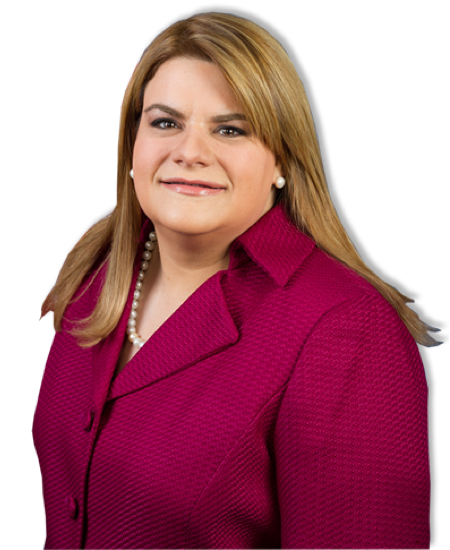
Rep. Jenniffer González-Colón
Sponsored bills
Maddy summaryHR 1675, the Territory Health Revitalization Act, increases funding access for health programs in U.S. territories. It requires 5% of certain Social Security Act health grants to be reserved for territories (like Guam, Puerto Rico, and the Northern Mariana Islands), removes a restriction blocking the Northern Mariana Islands from qualifying, and guarantees at least two grants to territory-based organizations each year. The bill directly affects territorial health programs and local grantees by ensuring dedicated funding and eligibility. These changes take effect October 1, 2023, modifying existing federal grant allocation rules without creating new programs.
Maddy summaryHR 1610 would modernize Medicare coverage for chiropractic care by removing the current restriction that limited beneficiaries to one chiropractic service per visit. It expands coverage to include all services provided by licensed chiropractors within their state-authorized scope, aligning Medicare with VA, military, and private insurance practices. The bill requires chiropractors to complete a Secretary-approved educational webinar to cover non-spinal services, while still allowing payment for spinal manipulation treatments without this requirement. This directly affects Medicare beneficiaries seeking chiropractic care and chiropractors seeking Medicare reimbursement for their services.
Maddy summaryHR 1401, the END FENTANYL Act, requires U.S. Customs and Border Protection (CBP) to review and update its field inspection manuals at least every three years. This ensures CBP's border inspection practices consistently address new smuggling methods used to hide drugs like fentanyl and human trafficking. The bill mandates that CBP submit reports to specific congressional committees after each update, detailing the changes made to inspection policies. This directly affects CBP officers and border security operations by standardizing how they detect and respond to evolving smuggling tactics.
Maddy summaryThe Territories Health Equity Act of 2023 improves healthcare access and funding for residents of U.S. territories by making several key changes to Medicare and Medicaid programs. It eliminates funding limitations for Medicaid in territories beginning in 2024, removes specific Medicare funding restrictions for Puerto Rico, and allows territories to receive payments for hospitals serving high numbers of low-income residents. The bill creates automatic eligibility for low-income territorial residents to receive Medicare premium and cost-sharing subsidies, eliminates late enrollment penalties for Part B Medicare in Puerto Rico, and requires transparency about Medicaid and CHIP programs in territories. These changes directly affect residents of Puerto Rico, the Virgin Islands, Guam, the Northern Mariana Islands, and American Samoa, as well as healthcare providers in these territories.
Maddy summaryHR 589, the MAHSA Act, imposes U.S. sanctions on Iran's Supreme Leader, President, and affiliated entities responsible for human rights abuses and terrorism. It targets the Supreme Leader's Office, the President's cabinet, security forces involved in the crackdown following Mahsa Amini's death, and entities financing abuses. The bill requires the President to annually determine and apply existing sanctions - like property blocking and visa bans - against these individuals and entities. This directly affects Iran's top leadership and security apparatus, aiming to hold them accountable for abuses including the Morality Police's role in Amini's detention and the subsequent violent suppression of protests.
Maddy summaryHR 549, the Metastatic Breast Cancer Access to Care Act, removes waiting periods for disability and Medicare coverage for people diagnosed with metastatic breast cancer. Specifically, it amends Social Security Act sections to allow immediate eligibility for disability insurance benefits (eliminating the standard waiting period) and immediate Medicare coverage (waiving the 24-month waiting period) for these patients. The bill directly affects individuals with metastatic breast cancer who would otherwise face delays in accessing critical benefits. These changes apply to applications filed or benefits beginning after the bill's enactment date. The law makes no other policy changes beyond these specific eligibility adjustments.
Maddy summaryThis bill, the Supplemental Security Income Equality Act (HR 256), would extend the federal Supplemental Security Income (SSI) program to residents of Puerto Rico, the U.S. Virgin Islands, Guam, and American Samoa. Currently, these territories are excluded from SSI, which provides monthly financial assistance to low-income elderly, disabled, and blind individuals. The bill amends the Social Security Act to include the territories in the definition of "state" for SSI eligibility, remove payment limits for territories, and ensure U.S. nationals are treated equally with citizens. It also grants the Social Security Commissioner authority to waive requirements to adapt the program to each territory’s needs. The changes would take effect one year after the bill is enacted.
Maddy summaryThis bill would recognize five Southeast Alaska communities (Haines, Ketchikan, Petersburg, Tenakee, and Wrangell) that were excluded from the Alaska Native Claims Settlement Act. It would allow these communities to form Urban Corporations, receive approximately 23,040 acres of federal land each, and provide eligible Native residents with 100 shares of stock in their respective corporations. The bill includes provisions for public access to the land for subsistence and recreational uses while preserving existing agreements for roads and transportation facilities. It also establishes a process for land conveyance and provides $12.5 million in funding for implementation.
Maddy summaryHR 255, the Federal Disaster Assistance Coordination Act, requires the Federal Emergency Management Agency (FEMA) to study and develop plans to simplify disaster assistance applications for individuals and organizations seeking aid after disasters. It directs FEMA to coordinate with agencies like the Small Business Administration and HUD to reduce duplicate paperwork and create a public website tracking how disaster aid is distributed. The bill also mandates a working group to identify inefficiencies in initial damage assessments and explore technologies like drones to speed up these assessments. FEMA must submit a comprehensive report to Congress and the public within two years, including recommendations for improving the system.