

Maddy summaryThe Uyghur Policy Act of 2023 establishes a U.S. Special Coordinator for Uyghur Issues within the State Department to coordinate policy and advocate for the protection of Uyghur cultural, religious, and linguistic identity in Xinjiang. It authorizes $250,000 annually for Uyghur human rights advocates to speak at public diplomacy events in Muslim-majority countries and mandates Uyghur language training for U.S. diplomats. The bill also directs the U.S. government to support United Nations monitoring of Xinjiang human rights issues and oppose efforts to block discussions of Xinjiang at the UN. These provisions focus on diplomatic advocacy and information-sharing, not direct sanctions or enforcement actions against China.
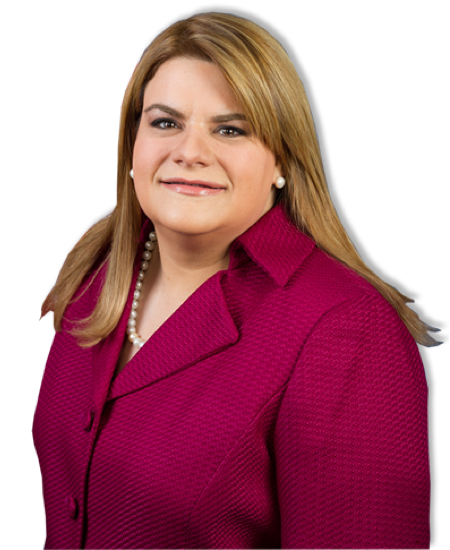
Rep. Jenniffer González-Colón
Sponsored bills
Maddy summaryHR 7384, the Creating Hope Reauthorization Act of 2024, extends the deadline for issuing priority review vouchers to pharmaceutical companies developing treatments for rare pediatric diseases. The bill amends the Federal Food, Drug, and Cosmetic Act to push the program’s expiration from 2024 to 2028 and adjusts another related deadline to 2030. This directly affects drug manufacturers seeking faster FDA review for new treatments targeting rare childhood illnesses. The extension ensures continued incentives for developing these critical therapies without altering the core voucher mechanism.
Maddy summaryHR 7382 amends existing law to allow law enforcement agencies using Byrne JAG funds (a federal grant program) to specifically fund programs aimed at reducing demand for commercial sex trafficking. This change directly affects state and local law enforcement agencies that receive Byrne JAG grants, enabling them to allocate these funds toward demand reduction initiatives like public awareness campaigns or victim services. The key mechanism is adding "programs to reduce the demand for trafficked persons" as an explicitly authorized use of Byrne JAG funds under the 1968 Crime Control Act. This policy change expands the scope of existing federal funding to target the demand side of sex trafficking, without creating new programs or altering other funding categories.
Maddy summaryHRES 966 is a symbolic resolution condemning alleged sexual violence committed by Hamas during its October 7, 2023, attack on Israel. It specifically references eyewitness accounts, forensic evidence, and Hamas fighters' admissions of ordering gang rape, sexual mutilation, and assault against Israeli civilians. The resolution calls for international condemnation of such acts as weapons of war, urges nations to criminalize sexual violence, and supports investigations into Hamas' actions. As a non-binding resolution, it does not create new laws or directly affect any individuals but formally expresses the House's position on the issue.
Maddy summaryThe Disaster Survivors Fairness Act of 2023 would establish a unified online application system for federal disaster assistance, allowing multiple agencies to share information more efficiently. It would streamline the application process for individuals and households seeking help after disasters, requiring agencies to provide transparent information about application status, denial reasons, and assistance amounts through an interactive dashboard. The bill improves rental assistance for renters, expands hazard mitigation assistance, and amends repair criteria to focus on "damaged" rather than "uninhabitable" properties. It would directly affect survivors of major disasters who apply for federal assistance through programs like FEMA's Individual Assistance. The bill requires FEMA to report on disparities in assistance between homeowners and renters and to conduct studies on rental challenges.
Maddy summaryThe CREATE Act of 2024 expands support for artists and arts entrepreneurs by modifying existing small business programs. It requires the Small Business Administration to develop specific loan criteria for artists and creative businesses, create targeted technical assistance programs, and establish business incubators focused on the creative economy. The bill also directs economic development grants to support arts agencies and integrate creative industries into local economic planning. These changes directly benefit artists, arts entrepreneurs, and small creative businesses by providing tailored financial and technical resources.
Maddy summaryThe VISITOR Act redirects specific visa-related fees - such as those from Diplomatic Programs and Fraud Prevention accounts - to fund consular services aimed at reducing visa processing times. It requires the State Department to transfer unobligated fee balances to the Consular and Border Security Programs account to support these services. The bill sets a concrete goal: ensuring 80% of nonimmigrant visa applicants receive interviews within three weeks of applying, while allowing exceptions for security or resource constraints. This directly affects nonimmigrant visa applicants (e.g., tourists, business travelers) by potentially speeding up their processing. The policy change focuses on reallocating existing fee collections, not creating new visa categories or altering eligibility.
Maddy summaryThis bill appropriates over $15 billion in supplemental funding for U.S. security assistance to Israel following attacks in Israel. It includes specific allocations such as $5.2 billion for Israel's Iron Dome, David's Sling, and Iron Beam defense systems, as well as funds for military personnel, operations, and equipment across all branches of the military. The bill requires the Secretary of Defense and Secretary of State to submit regular reports to Congress detailing security assistance provided to Israel and designates all funding as "emergency requirements" under federal law. This funding directly supports U.S. security assistance programs with Israel to respond to regional security threats.
Maddy summaryThe Puerto Rico Low-Income Housing Support Act amends federal housing law to require that public housing agencies and projects in Puerto Rico use the same poverty guidelines as those applied in the contiguous 48 states and Washington, D.C. This change removes a prior exception that allowed Puerto Rico to apply different income thresholds for determining "extremely low-income" status. As a result, low-income families in Puerto Rico will now be evaluated using the same federal income standards as mainland U.S. residents for housing assistance programs. The bill directly affects Puerto Rico's public housing eligibility criteria without altering funding levels or program structure.
Maddy summaryThis bill establishes a National Oceans and Coastal Security Fund with $200 million annually from 2025-2029 to support coastal protection and restoration projects. It allocates funds to coastal states, coastal Indian Tribes, and Native Hawaiian organizations through specific formulas based on shoreline miles, population, and other factors. Eligible uses include protecting infrastructure from climate impacts, restoring ecosystems that capture "blue carbon" (carbon stored in coastal ecosystems), and supporting community resilience planning. The bill prohibits using funds for litigation or lobbying and requires annual reporting on funded projects and blue carbon benefits.