

Maddy summaryHR 621, the PART Act, requires catalytic converters on vehicles to be stamped with a visible vehicle identification number (VIN) using special high-visibility paint to deter theft. It creates a federal grant program to help auto dealers, repair shops, and law enforcement implement this stamping at no cost to vehicle owners. The bill also mandates that sellers of catalytic converters retain buyer identification and vehicle details for two years, and adds new federal criminal penalties for stealing or trafficking in catalytic converters.
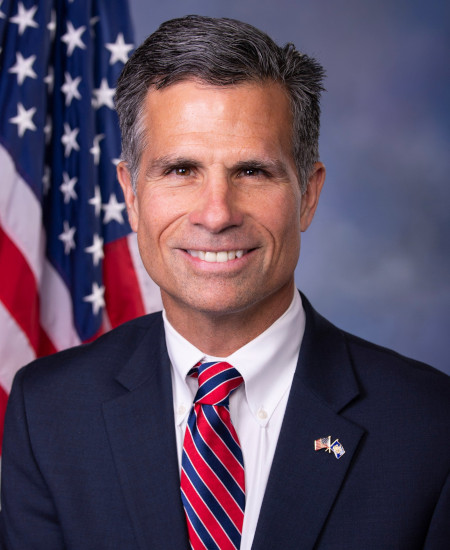
Rep. Daniel Meuser
Sponsored bills
Maddy summaryHR 936, the Tanning Tax Repeal Act of 2023, repeals a 10% federal excise tax on indoor tanning services that was originally enacted under the Affordable Care Act. This bill directly affects tanning salons and businesses providing indoor tanning services by eliminating their obligation to pay this tax on customer services. The repeal applies to services performed after the bill's enactment date, removing the tax provision from the Internal Revenue Code. The bill does not create new requirements or alter other tax policies, solely removing this specific tax.
Maddy summaryHCONRES 9 is a symbolic resolution passed by the U.S. House of Representatives that formally denounces socialism as incompatible with American values, citing historical examples of socialist regimes causing widespread suffering and authoritarian rule. It states Congress opposes the implementation of socialist policies in the United States. This resolution has no legal effect, does not change any laws, and serves solely as a non-binding statement of congressional opinion. It directly affects no individuals or policies, as it is purely a declarative position.
This resolution condemns Iranian state-sponsored terrorist attacks against U.S. citizens and officials and Iranian dissidents. The resolution also expresses support for the people of Iran who are legitimately defending their rights for freedom against repression and condemns the killing of Iranian protesters by the Iranian regime.
Maddy summaryHCONRES 13 is a concurrent resolution expressing Congress's support for maintaining the current policy that prohibits imposing new fees on local radio stations for playing music. It states that Congress should not impose any performance fee, tax, royalty, or charge on local radio stations for broadcasting sound recordings over the air, or on businesses like bars and restaurants that play music publicly. The resolution argues that such fees would harm local radio stations - critical sources for emergency information and community programming - and jeopardize the economic model that has supported both radio and the music industry for decades. This resolution does not create new law but formally opposes potential legislative changes to the existing fee structure.
Maddy summaryThis bill creates a new federal crime for assaulting law enforcement officers causing serious injury or death, with penalties up to 10 years in prison for serious injury and up to life for aggravated cases involving death, kidnapping, or attempted killing. It applies when offenses involve interstate travel, commerce, or target officers engaged in law enforcement duties. Federal prosecution requires Attorney General certification that state authorities cannot or will not handle the case, or that federal action is necessary for public safety. The law covers all law enforcement officers (state, local, and federal) who enforce criminal laws or detain individuals.
Maddy summaryThis bill helps new car dealers affected by pandemic-era supply chain disruptions by changing tax rules for inventory sales. It allows dealers using LIFO accounting to treat certain sales of unsold vehicles (liquidations) between March 2020 and December 2021 as "qualified" for tax purposes. Dealers can defer recognizing income from these sales and have until 2026 to replace the sold vehicles before potential tax adjustments apply. The provision specifically targets dealers who couldn't replenish inventory during the supply chain crisis.
Maddy summaryHR 564 redirects unspent funds from the American Rescue Plan Act of 2021 (ARP) to reduce the federal deficit. It requires all unobligated ARP funds - money allocated but not yet spent - to be sent to the Treasury's general fund upon the bill's enactment. This action directly affects federal budget accounting by canceling unused appropriations rather than creating new programs or aiding specific groups. The bill does not alter existing laws or services but focuses solely on reallocating existing, unspent federal funds. It is a procedural budget measure with no direct impact on taxpayers or beneficiaries of the ARP.
Maddy summaryThe Educational Choice for Children Act creates tax credits for individuals and corporations that contribute to scholarship granting organizations providing education scholarships. Individuals can claim a credit up to $5,000 or 10% of their income, while corporations can claim up to 5% of taxable income. The scholarships are available to students from households with income up to 300% of the area median income, and can be used for private school tuition, tutoring, and other educational expenses at elementary and secondary schools. The bill includes strict requirements for scholarship organizations to verify income, conduct audits, and prevent misuse of funds, while also prohibiting government control over these organizations and protecting private and religious schools from discrimination in the program. It establishes a $10 billion annual cap on the total tax credits available.
Maddy summaryHR 496, the PELL Act, creates "Workforce Pell Grants" to support short-term workforce training programs instead of traditional college degrees. It directly affects students enrolled in qualifying short programs (150-600 hours, 8-15 weeks) that align with in-demand jobs. To qualify, programs must meet strict standards: 70%+ completion rates, 70%+ job placement rates, and demonstrate graduates earn at least 150% above the poverty line within three years. The bill also requires annual public reporting of program outcomes like completion rates, job placement, and graduate earnings to ensure accountability.