

Maddy summaryHR 1269, the Honoring Our Fallen Heroes Act of 2025, expands benefits for public safety officers (like police and firefighters) who develop certain cancers linked to their work. It adds 22 specific cancers - including lung, mesothelioma, and breast cancer - to the list of conditions presumed to be "exposure-related" and sustained in the line of duty. This presumption applies if the officer served at least 5 years, was diagnosed with the cancer within 15 years after last active duty, and the cancer directly caused death or permanent disability. The bill also establishes a process for adding new cancers every 3 years based on medical evidence from agencies like NIOSH, and allows claims to be filed within 3 years of the law's enactment.
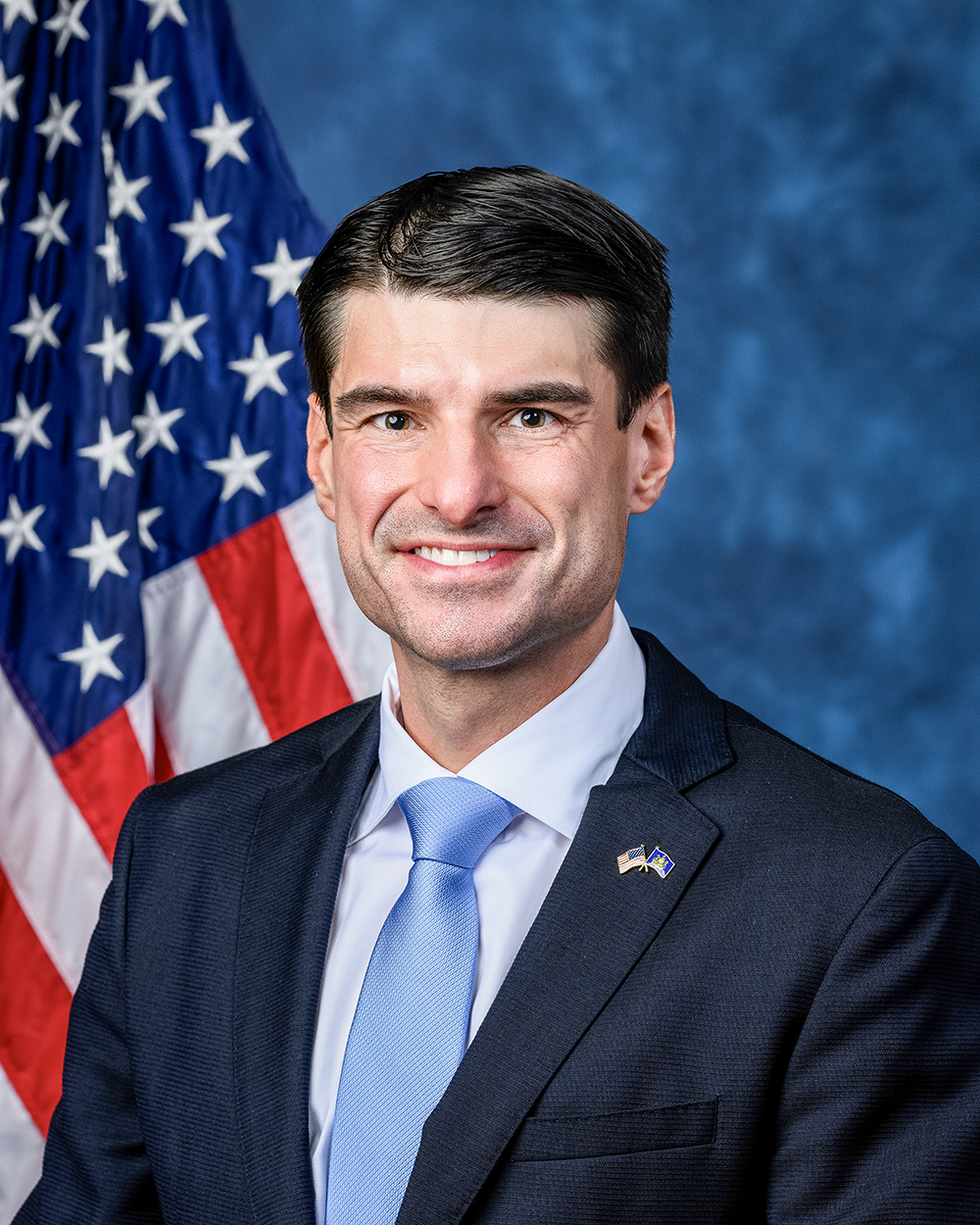
Rep. Robert P. Bresnahan, Jr.
Sponsored bills
Maddy summaryHR 1267, the Water Systems PFAS Liability Protection Act, exempts certain water and wastewater treatment facilities from liability under the federal environmental cleanup law (CERCLA) for releases of specific PFAS chemicals. It directly affects public water systems, wastewater treatment plants, municipalities with stormwater permits, and their contractors who handle PFAS while following all applicable laws. The exemption applies only if facilities manage PFAS in compliance with existing federal or state water quality rules, such as through proper biosolids disposal or treated water discharge under permits. However, the bill does not protect facilities that act with gross negligence or willful misconduct in handling PFAS. This law changes liability rules for water systems but does not alter PFAS regulation standards.
Rural Obstetrics Readiness Act This bill creates and expands federal grant programs within the Health Resources and Services Administration (HRSA) to increase capacity to provide emergency obstetric health services in rural areas or areas without practitioners or facilities specializing in obstetric services. Specifically, HRSA must establish a program for providing grants to certain hospitals or consortiums that include hospitals in rural areas or areas with maternal health care professional shortages for training, developing a workforce, and purchasing equipment relating to obstetric emergencies. In addition, the bill requires HRSA’s Alliance for Innovation on Maternal Health Capacity program to provide grants for training on emergency obstetric services for practitioners in rural health care facilities without dedicated obstetric units. HRSA must also establish a pilot program to provide grants to government entities for developing or improving telehealth access programs to support urgent maternal health care in rural facilities without a dedicated obstetric unit.
Maddy summaryHR 1207 transfers the administration of the Food for Peace Act's food aid programs from USAID to the Department of Agriculture. This means the Agriculture Secretary, not the USAID Administrator, will now handle all related functions, including managing assets, grants, and rules for distributing U.S. food aid overseas. The bill requires immediate implementation upon enactment, with references in law automatically updating to the Agriculture Secretary, and allows for swift interim rules to maintain program continuity. It also specifies that the Famine Early Warning Systems Network will continue under Agriculture, and the Department must consult with the State Department on certain aspects of the program.
Maddy summaryHR 1153, the Rural Physician Workforce Production Act of 2025, provides additional Medicare payments to hospitals training medical residents in rural areas to address physician shortages. Hospitals can receive payments equal to the difference between rural training costs (based on 2015 GAO data adjusted for inflation) and standard graduate medical education payments, for residents spending at least 8 weeks in rural settings. It specifically supports hospitals with residency programs where over 50% of training occurs in rural locations, regardless of specialty or training site. This bill directly affects eligible hospitals, including critical access and rural emergency hospitals, by incentivizing rural physician training through updated Medicare funding mechanisms.
Maddy summaryThe SAFE Act requires Medicare to cover falls risk assessments and fall prevention services for seniors aged 65+ who have fallen in the previous year. These services, provided by physical or occupational therapists, will be included in Medicare's annual wellness visits and initial preventive physical exams starting January 1, 2026. The bill also mandates annual reports to Congress beginning in 2027 on falls among seniors aged 65+ that required treatment for fall-related injuries. This policy directly affects Medicare beneficiaries with a documented history of falls by adding targeted preventive care to their covered benefits.
Maddy summaryThe Laken Riley Act expands mandatory detention for immigrants convicted of certain property crimes like burglary, theft, or shoplifting by adding these offenses to existing immigration detention criteria. It requires the federal government to issue detainers for such individuals and take custody if not detained by local authorities. The bill also grants state attorneys general standing to sue federal officials in federal court if they believe immigration enforcement actions (like releasing detained immigrants) cause the state financial harm exceeding $100. This creates new legal pathways for states to challenge federal immigration decisions through expedited lawsuits.
Maddy summaryThis bill expands 529 college savings account flexibility by allowing funds to cover costs for industry-recognized postsecondary credentials, not just traditional degrees. It defines "qualified expenses" to include tuition/fees for recognized credential programs (like certifications or apprenticeships), required testing fees, and continuing education needed to maintain credentials. To qualify, programs must meet specific criteria, such as appearing on state lists under the Workforce Innovation and Opportunity Act or being listed in VA or Defense directories. The change applies to 529 distributions made after the law's enactment, giving families more options to use these accounts for job-focused training.
Maddy summaryThis bill amends existing federal grant programs (Byrne and COPS grants) to allow local law enforcement agencies to use these funds for purchasing and operating drones specifically for public safety purposes. It does not create new funding but expands the eligible uses of current grant money to include unmanned aircraft systems (drones) as defined in existing federal law. The bill directly affects state and local police departments receiving these federal grants by giving them a new option for public safety technology. The key provision simply adds drone-related purchases and operations to the list of approved grant expenditures under two established programs.
Maddy summaryThe CARGO Act of 2025 prohibits the National Institutes of Health (NIH) from funding any research involving live animals conducted outside the United States. It directly affects foreign organizations and researchers who previously received NIH grants for animal research abroad, including projects funded under the $2.2 billion in grants from 2011-2021. The key provision amends the Public Health Service Act to ban NIH support for such overseas research, requiring all animal research funded by the NIH to occur within the U.S. (including territories and the District of Columbia). This change aims to address concerns about inadequate oversight of animal welfare in foreign labs where self-reported data may be inaccurate.