

Maddy summaryHR 866, the Equal COLA Act, changes how cost-of-living adjustments (COLAs) are calculated for federal retirees under the Federal Employees Retirement System (FERS). It requires that each year's COLA be based on the exact percent change in the price index from the previous year's base quarter, rounded to the nearest 0.1%, effective December 1. This applies to all FERS annuities starting before, on, or after the bill's enactment date, ensuring a standardized calculation method for retirees' annual adjustments.
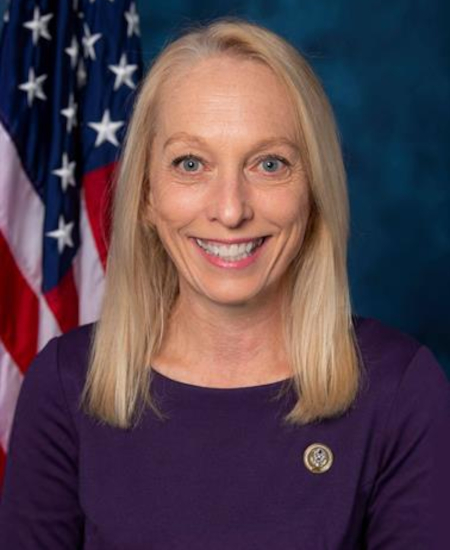
Rep. Mary Gay Scanlon
Sponsored bills
Maddy summaryThis joint resolution expresses congressional support for designating February 6-10, 2023, as "National School Counseling Week." It honors school counselors' roles in supporting students' academic, social-emotional, and career development, while encouraging public awareness of their contributions. The bill does not create new policies or funding but symbolically recognizes counselors' work in schools. It directly affects school counselors and the broader school community by promoting recognition of their vital role.
Maddy summaryThis is a commemorative resolution (HRES 55), not a policy bill. It formally recognizes Certified Registered Nurse Anesthetists (CRNAs) for their 150+ year service in providing anesthesia care across the U.S., including in rural areas, military facilities, and during public health emergencies like the pandemic. The resolution thanks CRNAs for their "incredible, selfless, and dedicated service" and encourages the public and healthcare stakeholders to acknowledge their work during National CRNA Week (January 23-28, 2023). It has no legal effect or policy changes - it is purely symbolic recognition.
Maddy summaryThe Better Care Better Jobs Act (HR 547) aims to improve access to home and community-based services (HCBS) for Medicaid beneficiaries by providing states with planning grants and enhanced federal funding. States that develop approved HCBS infrastructure improvement plans will receive a 10 percentage point increase in federal Medicaid funding for HCBS services, with additional incentives for self-directed care programs. The bill requires states to address barriers to access, expand workforce development, improve payment rates for direct care workers, and track demographic data on service utilization. It also establishes quality measurement requirements and mandates regular reporting on progress toward improving HCBS access and quality.
Maddy summaryHR 755, the Protecting Sibling Relationships in Foster Care Act, creates a $10 million, 5-year competitive grant program to help states develop specialized foster care programs for specific sibling groups. The bill targets groups of three or more siblings, those with wide age gaps, or siblings with complex needs (such as serious mental health challenges, disabilities, or life-threatening illnesses). Eligible entities like state child welfare agencies can apply for grants to fund evidence-based programs designed to place these sibling groups together, requiring them to report on placement outcomes. The grants specifically aim to increase joint placements by addressing challenges in finding suitable foster homes for these groups.
Maddy summaryHR 789, the Caring for All Families Act, expands the Family and Medical Leave Act to allow employees to take leave for a wider range of family members, including domestic partners, son-in-law, daughter-in-law, parent-in-law, adult children, grandparents, grandchildren, siblings, and others with "close association equivalent to family." The bill adds new provisions for employees to take up to 4 hours of leave per 30 days (24 hours annually) for school activities, routine medical appointments for family members, or visiting nursing homes for elderly individuals considered family. This legislation directly affects private sector workers covered by FMLA and federal employees, broadening who qualifies for leave and what types of family care can be accommodated. The bill amends existing FMLA definitions and requirements to include these expanded family relationships and care needs.
Maddy summaryHR 765, the African American History Act, authorizes $2 million annually for the National Museum of African American History and Culture to develop educational resources and programs about African American history. The bill directs the museum to create accessible teaching materials, support teacher professional development, and expand digital content for schools and the public, focusing on contributions, civil rights, and historical contexts. It requires annual reports to Congress and expires in 2028. The program directly supports educators, students, and families in learning about African American history through museums, schools, and online platforms.
Maddy summaryHR 715, the Bipartisan Background Checks Act of 2023, requires background checks for all firearm transfers between private individuals, not just those through licensed dealers. It mandates that unlicensed sellers must involve a licensed dealer to conduct a background check before transferring a firearm, with exceptions for family transfers (like spouses or parents/children), law enforcement, temporary safety transfers, and certain hunting or range activities. The bill also requires licensed dealers to provide a notice and certification form in both English and Spanish to buyers. It explicitly states it won't create a national gun registry or override state laws on the same topic. The law would take effect 180 days after enactment.
Maddy summaryHR 694, the Job Protection Act, expands access to family and medical leave under the FMLA by reducing eligibility requirements. It lowers the required employment period from 12 months to 90 days for most workers and removes the 50-employee threshold, requiring all employers (including small businesses with one or more employees) to provide leave. Federal, presidential, and congressional employees also see their eligibility thresholds reduced to 90 days. The bill directly affects millions of private-sector workers and small businesses nationwide by making existing leave protections more widely available. It makes no changes to leave duration or pay, only to who qualifies and which employers must comply.
Maddy summaryHR 660, "Ethan's Law," requires gun owners in homes where minors (under 18) or individuals prohibited from owning firearms under federal/state law reside to store firearms securely. It makes unsecured storage unlawful if a minor or prohibited person could access the firearm, with fines of $500 per violation and enhanced penalties (up to 5 years in prison) if injury or death occurs. The bill also establishes a federal grant program to help states implement similar secure storage laws and provides funding incentives for states that already have such laws in place.