

Maddy summaryHR 1511 amends Section 249 of the Immigration and Nationality Act to change eligibility criteria for certain immigration provisions. The bill replaces outdated language about entry dates (prior to July 1, 1924, or January 1, 1972) with a requirement that applicants must have been long-term residents of the United States for at least seven years before applying. This change would directly affect individuals seeking immigration status under the amended provisions who meet the new residency timeline. The bill is procedural in nature, updating the legal definition of qualifying residency without creating new benefits or restrictions. (Note: The bill's title incorrectly references the "Immigration Act of 1929," which never existed; the actual law amended is part of the 1952 Immigration and Nationality Act.)
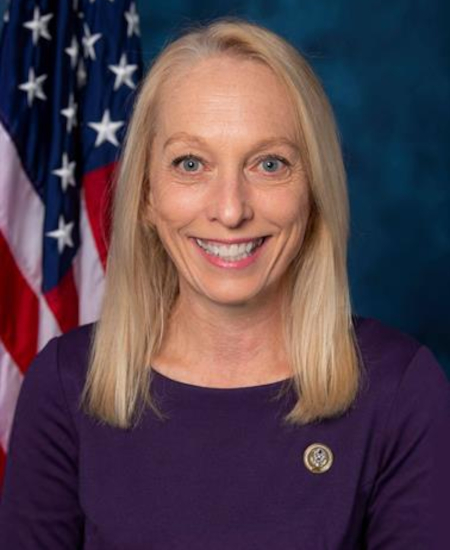
Rep. Mary Gay Scanlon
Sponsored bills
Maddy summaryHR 1269, the Healthy Meals Help Kids Learn Act of 2023, increases federal funding for school meals. It adds 45 cents per lunch and 28 cents per breakfast served by school food authorities (like school districts) starting July 1, 2023, covering all meal types (free, reduced-price, and full-price). The extra payments are adjusted annually beginning July 1, 2024, based on inflation. This directly affects schools serving meals under the National School Lunch and Child Nutrition programs, providing them with additional funding to support meal costs.
Maddy summaryHR 1447 prevents employers from ending health insurance coverage for workers during a lawful strike or a lockout (when an employer stops work to pressure union demands). It directly affects unionized workers participating in strikes or facing lockouts, ensuring they maintain healthcare coverage during these labor disputes. The bill adds penalties: employers violating this rule face up to $75,000 per violation for lockouts ($150,000 for repeat offenses or serious harm) and up to $50,000 per violation for strikes ($100,000 for repeat offenses or serious harm). These penalties apply to employers who cut healthcare during strikes or lockouts, with the National Labor Relations Board enforcing the fines.
Maddy summaryThe WRCR Act of 2023 would expand the Earned Income Tax Credit (EITC) to include more low-income workers and students, lowering the minimum age requirement from 25 to 18 and allowing students receiving Federal Pell Grants or meeting specific income requirements to qualify. It would create a new program for monthly advance payments of the credit instead of a single annual payment, with taxpayers needing to report changes in circumstances to avoid overpayment. The bill also modifies income thresholds and credit percentages to increase access for more workers, with these changes taking effect for tax years beginning after December 31, 2022.
Maddy summaryHR 1387, the Civics Learning Act of 2023, amends the Elementary and Secondary Education Act to strengthen civics education in public schools. It requires states to prioritize innovative civics teaching - including lessons on the Constitution, civil rights history, and community engagement - and allocates $70 million for grants to schools, with specific funding targets (30% for elementary, 30% for middle, max 40% for high school). The bill directly affects public elementary, middle, and high schools, particularly those serving high-need communities, by mandating new curriculum activities like service learning, student governance participation, and after-school programs. Grants must include reporting on how schools meet civics education goals, with the Department of Education required to submit annual progress reports to Congress.
This resolution calls for the federal government to establish a national biodiversity strategy, which must include a goal of conserving at least 30% of U.S. lands and waters to protect biodiversity and address climate change by 2030 and other goals necessary to reduce the threats to biodiversity.
Maddy summaryThis bill requires airlines to train flight crews and maintenance staff on identifying and responding to cabin smoke/fume incidents, implement a standardized reporting system for such events, and install real-time air quality monitors to detect dangerous contaminants like carbon monoxide. It directly affects airline crews, maintenance technicians, and passengers by mandating new safety protocols and equipment on commercial flights. Key provisions include annual training on fume sources and health impacts, detailed incident reports covering flight details and symptoms, and public databases of reported events (with personal information redacted). The law also mandates aircraft manufacturers to include monitoring procedures in flight manuals and requires the FAA to investigate incidents involving health symptoms. These changes aim to improve cabin air safety through better detection, reporting, and response systems.
Maddy summaryHR 1302, the Gun Records Restoration and Preservation Act, repeals key restrictions known as the Tiahrt Amendments. It eliminates the requirement to destroy background check records within 24 hours, removes barriers to researchers accessing firearm trace data, and ends prohibitions on requiring gun dealers to conduct annual inventory audits. The bill directly affects law enforcement agencies (like the ATF), researchers studying gun violence, and federally licensed firearms dealers. These changes aim to improve access to data for tracking illegal gun trafficking and supporting evidence-based policy development.
Maddy summaryThe Military Spouse Hiring Act expands the Work Opportunity Tax Credit to include military spouses. Employers who hire a spouse of an active-duty military member - certified by a local agency as meeting eligibility requirements on the hiring date - can claim this tax credit. The credit reduces the employer's federal tax liability for hiring such individuals. This provision applies to new hires after the bill's enactment date.
Maddy summaryThe Air Carrier Access Amendments Act of 2023 updates the 1986 Air Carrier Access Act to improve accessibility for travelers with disabilities. It creates a private right of action (allowing individuals to sue for violations), sets new standards for accessible aircraft (including boarding equipment, seating, lavatories, and communication systems), and requires airports to provide accessible facilities and digital services. The bill establishes clearer complaint procedures with the Department of Transportation, including a 120-day investigation timeline and specific civil penalties for violations like delayed assistance or damage to assistive devices. These changes directly affect air carriers, foreign air carriers, and travelers with disabilities who face barriers such as inaccessible aircraft and inadequate assistance. The legislation aims to address ongoing issues including damaged assistive devices, inaccessible aircraft features, and inappropriate treatment of service animals.