

Maddy summaryThis bill requires the military to approve leave for abortion and fertility care without commanders needing to know the specific procedure. It mandates reimbursement for travel, lodging, meals, and transportation costs when care isn't available nearby, and prohibits punishment for using this leave. It directly affects active-duty service members and their dependents who face barriers to reproductive care due to military restrictions or location. The policy change removes command discretion in approving leave for time-sensitive reproductive health services.
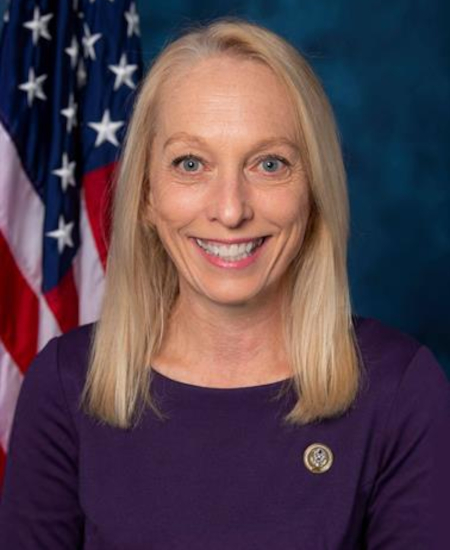
Rep. Mary Gay Scanlon
Sponsored bills
Maddy summaryHR 7480, the FAIR Act, sets pay adjustments for federal employees in 2027. It increases base pay by 3.1% for most federal workers under standard pay systems and for employees paid according to local civilian wages in high-cost areas. Additionally, it raises locality pay adjustments by 1% for 2027. The bill directly affects all federal employees covered by these pay systems through concrete, formula-based adjustments.
Maddy summaryHRES 1047 designates January 2026 as "National Mentoring Month" to highlight the importance of mentoring relationships for youth development. The resolution does not create new laws or allocate funding but encourages public awareness and support for existing mentoring programs that help young people build skills, confidence, and educational opportunities. It emphasizes mentoring's role in improving academic performance, career readiness, and mental health outcomes without imposing any new obligations on individuals or organizations.
Maddy summaryHR 7419, the Foster Care Stabilization Act of 2026, provides $1 million demonstration grants to 3 foster care stabilization agencies to improve emergency relief and pre-placement services for foster youth under age 26. Agencies can use funds for hiring staff, providing up to $250 yearly in clothing/personal items per youth, preparing food, preventing abuse/neglect, and other emergency support. Grants must be spent within 3 years, with agencies required to report on how funds were used for youth needs and outcomes. The bill aims to stabilize placements by addressing immediate needs before and during foster care, targeting agencies serving youth under 26 in state or tribal care.
Maddy summaryThe HARM Act 2.0 requires the U.S. government to identify and designate successor groups of the Wagner mercenary force (such as Africa Corps, Redut PMC, and Patriot PMC) as terrorist organizations under existing law. It mandates the Secretary of State to submit a report listing these groups, their leaders, and related entities, followed by a review by the Comptroller General. If designated, these groups and individuals would face sanctions including asset freezes and transaction bans under Executive Order 13224. The bill also requires annual reports for five years detailing the groups' activities, human rights abuses, financial networks, and the effectiveness of sanctions.
Maddy summaryThe Rebuild America's Schools Act of 2026 authorizes $20 billion annually from 2027 to 2031 to improve public school facilities nationwide. The bill provides grants to states to fund school construction, renovation, and modernization projects that focus on safety, energy efficiency, and accessibility, with priority given to schools serving high percentages of students eligible for free or reduced-price lunch. Funds cannot be used for routine maintenance, athletic facilities, or vehicles, and must meet specific environmental, safety, and energy efficiency standards. The bill also includes specific provisions for repairing school foundations affected by pyrrhotite, a mineral that causes concrete deterioration, and requires use of American-made materials for construction projects.
Maddy summaryHR 7346, the Drain ICE Act of 2026, repeals specific funding provisions (sections 90003 and 100052) from the "One Big Beautiful Bill Act" and cancels all unspent funds allocated under those sections. This bill directly affects ICE’s detention budget by removing existing financial authority for detention operations. It does not change immigration enforcement practices or directly impact individuals; it solely modifies budgetary allocations. The bill focuses on eliminating funding mechanisms, not on policy changes for migrants or enforcement. (Procedural bill; summary limited to 2 sentences as specified.)
Maddy summaryHR 7265, the Vote by Mail Tracking Act, requires all government entities sending mail-in ballots for federal elections to use a standardized Postal Service barcode on ballot envelopes. This barcode enables tracking of each individual ballot, while also mandating specific envelope designs and machineability standards set by the Postal Service. The bill applies to all mail-in ballots for federal office elections starting in 2026, but excludes Federal write-in absentee ballots under the Uniformed and Overseas Citizens Absentee Voting Act. The Postmaster General must provide compliance guidance to government entities by June each year to implement the tracking system.
Maddy summaryHR 5658, the Child Care for Every Community Act, establishes a federal framework to create universal, high-quality child care and early learning programs available to all young children not yet required to attend school. The bill requires that covered children (children below compulsory school age) be entitled to participate in these programs, with no fees for low-income families and sliding-scale fees for others based on family income. Key provisions include requiring full-working-day, full-calendar-year care; setting national quality standards for staff qualifications and facilities; mandating comprehensive services including health, nutrition, and family support; and requiring coordination with schools to support children's transitions to kindergarten. The bill directly affects families seeking child care, child care providers, and local communities that would administer these programs through designated "prime sponsors."
Maddy summaryThe Family Violence Prevention and Services Improvement Act of 2026 amends federal law to enhance support for victims of family violence, domestic violence, and dating violence. The bill authorizes $270 million annually for fiscal years 2027-2031 to fund state, tribal, and community programs, with specific funding reserved for tribal programs (12.5%), national hotlines ($20.5 million for general hotline, $4 million for Indian hotline), and services for underserved populations. It requires grantees to provide trauma-informed, culturally appropriate services while prohibiting discrimination and protecting victim confidentiality, and mandates accessibility for people with disabilities and limited English proficiency. The bill also establishes new technical assistance centers, Tribal resource centers, and community-based prevention programs to address the needs of underserved populations including Native Hawaiians, Alaska Natives, and racial and ethnic minorities.