

Relief for Restaurants and other Hard Hit Small Businesses Act of 2022 This bill addresses support for restaurants, arts and entertainment venues, and small businesses impacted by the COVID-19 pandemic. The bill provides an additional $42 billion in FY2021 for the Restaurant Revitalization Fund and gives priority to previous applicants who have not received a grant. The Small Business Administration (SBA) must provide to applicants an explanation for denied applications, establish a reconsideration process for denied applications, and institute an audit and oversight plan with respect to grant recipients. Additionally, the bill establishes the Hard Hit Industries Award Program for small businesses that suffered a pandemic-related revenue loss of 40% or more. Aggregate grant amounts are capped at $1 million. Funds may be used for expenses including mortgage, rent, and utility payments and payroll. SBA must prioritize entities that have experienced significant pandemic-related revenue loss, with first priority going to those that experienced a loss of at least 80%, and second priority going to those that experienced a loss of at least 60%. Finally, the bill extends to March 11, 2023 (or a later date as determined by the SBA), the time frame during which Shuttered Venue Operators Grant recipients may use grant funds to cover their expenses.
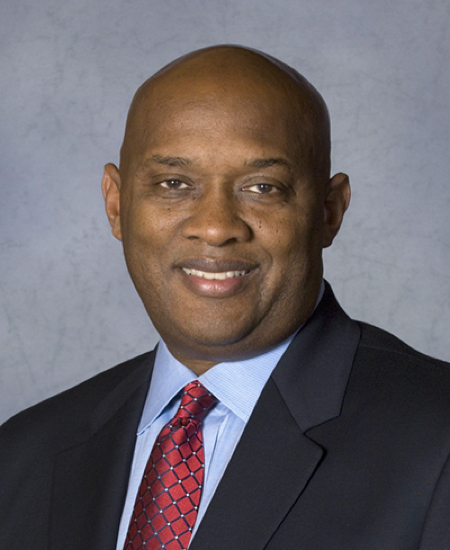
Rep. Dwight Evans
Sponsored bills
Bipartisan Background Checks Act of 2021 This bill establishes new background check requirements for firearm transfers between private parties (i.e., unlicensed individuals). Specifically, it prohibits a firearm transfer between private parties unless a licensed gun dealer, manufacturer, or importer first takes possession of the firearm to conduct a background check. The prohibition does not apply to certain firearm transfers or exchanges, such as a gift between spouses in good faith.
Enhanced Background Checks Act of 2021 (Sec. 2) This bill revises background check requirements applicable to proposed firearm transfers from a federal firearms licensee (e.g., a licensed gun dealer) to an unlicensed person. Specifically, it increases the amount of time, from 3 business days to a minimum of 10 business days, that a federal firearms licensee must wait to receive a completed background check prior to transferring a firearm to an unlicensed person. (This type of transaction is often referred to as a default proceed transaction.) If a submitted background check remains incomplete after 10 business days, then the prospective purchaser may submit a petition for a final firearms eligibility determination. If an additional 10 days elapse without a final determination, then the federal firearms licensee may transfer the firearm to the prospective purchaser. (Sec. 3) The Government Accountability Office must report on the extent to which the changes have prevented firearms transfers to prohibited persons. (Sec. 4) The Federal Bureau of Investigation must report on the number of petitions it receives for final federal firearms determinations. (Sec. 5) The Department of Justice, in consultation with the National Resource Center on Domestic Violence and Firearms, must report on further amendments to the background check process that would likely reduce the risk of death or great bodily harm to victims of domestic violence, domestic abuse, dating partner violence, sexual assault, and stalking.
This resolution expresses that the House of Representatives is deeply concerned for the latest years-long drought in the Horn of Africa and the ensuing food security crisis and severe socioeconomic disturbances it caused; acknowledges the role that climate change plays in increasing the frequency of extreme weather events like droughts, and pledges to take coordinated, international action to adapt to and avert further global warming; reaffirms the effectiveness and instrumentality of U.S. international food assistance for meeting humanitarian obligations, cultivating enduring self-reliance in developing nations, ensuring the stability of global financial markets, and mitigating the likelihood of conflict in accordance with our national security interests; and emphasizes the importance of funding urgently needed humanitarian assistance for hunger-stricken regions of the world, supporting the development of sustainable agricultural sectors in developing nations, and assisting with the international resettlement of refugees escaping droughts and extreme hunger.
Violence Against Women Reauthorization Act of 2021 This bill modifies and reauthorizes through FY2026 programs and activities under the Violence Against Women Act that seek to prevent and respond to domestic violence, sexual assault, dating violence, and stalking. The bill also authorizes new programs, makes changes to federal firearms laws, and establishes new protections to promote housing stability and economic security for victims of domestic violence, sexual assault, dating violence, and stalking.
Minority Fellowship Program Reauthorization Act of 2022 This bill reauthorizes through FY2027 the Minority Fellowship Program carried out by the Substance Abuse and Mental Health Services Administration. The program supports the education and training of minority students who are studying for advanced degrees in a mental or behavioral health profession.
Health Care Providers Safety Act of 2022 This bill authorizes the Department of Health and Human Services to award grants to health care providers for security services and other expenses related to physical security and cybersecurity.
Workforce Innovation and Opportunity Act of 2022 This bill reauthorizes through FY2028 and expands programs under the Workforce Innovation and Opportunity Act (WIOA). The bill also revises workforce investment, vocational rehabilitation, employment, training, and literacy programs for eligible individuals. For example, the bill increases workforce representation on state and local workforce investment boards from 20% to 30%; reworks one-stop center infrastructure funding by requiring costs to be covered by state allocations of WIOA funds; establishes subsidized youth employment programs that include work-readiness training and mentoring; allows states and localities to partner with educational institutions to address the skill needs for in-demand jobs; establishes grants to connect youth in communities disproportionately affected by gun violence with in-demand jobs; eliminates a requirement that the Department of Labor ensure that individuals participating in WIOA activities comply with Selective Service laws; modifies the allotment of youth workforce investment funds to states; requires Labor to prioritize providing access to certain services to girls and women and applications for assistance from minority-serving institutions; expands the Job Corps program, including by serving individuals in outlying areas and relaxing age requirements; establishes grants to expand training programs through industry or sector partnerships; expands grants for integrated English literacy and civics education to outlying areas; and expands Wagner-Peyser employment services to the Northern Mariana Islands and American Samoa. The bill also provides statutory authority for Labor to award competitive grants, contracts, and cooperative agreements to improve employment and training outcomes and reduce recidivism of justice-involved youth; and competitive grants for states to create workforce longitudinal administrative databases.
Payment Choice Act of 2021 This bill requires retail businesses to accept cash as a form of payment for sales in amounts less than $2,000, and it prohibits them from charging cash-paying customers a higher price compared to customers not paying with cash. Such businesses are those engaged in the business of selling or offering goods or services at retail to the public that accept in-person payments at a physical location. The bill provides for enforcement through preventative relief and civil penalties.
Community Services Block Grant Modernization Act of 2022 This bill reauthorizes the Community Services Block Grant program through FY2032 and otherwise modifies the program. The program supports various antipoverty activities, primarily through formula-based allotments to states, Indian tribes, and territories. In particular, the bill makes changes to the program's administration and leadership; performance measurement; and allotments to states and territories. The bill also expands eligibility for services and activities funded by the program to 200% of the federal poverty line (FPL). Under current law, eligibility is generally set at the FPL.