This concurrent resolution recognizes the disparity in wages paid to Black women and its impact on women, families, and the nation, and reaffirms Congress' support for ensuring equal pay and closing the gender wage gap.
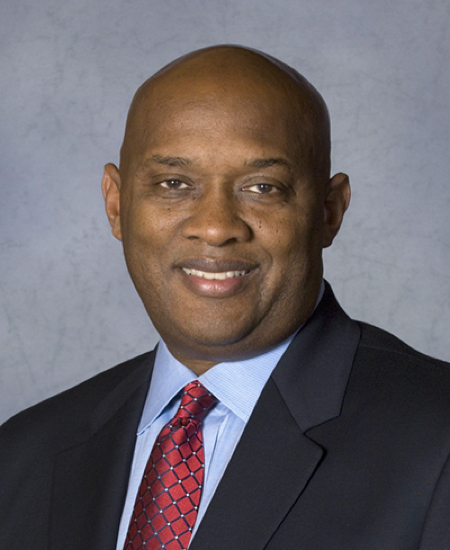
Rep. Dwight Evans
Sponsored bills
Maddy summaryHRES 1383 is a symbolic House resolution designating September 2022 as "National Workforce Development Month." It expresses congressional support for workforce development initiatives but does not create new laws or allocate funding. The resolution acknowledges the importance of programs that train workers for jobs requiring postsecondary education (like community college or apprenticeships) and highlights challenges such as high unemployment among Black and Hispanic workers and pandemic job losses. It directly affects no specific group, as it is a non-binding expression of support for existing federal workforce programs like the Workforce Innovation and Opportunity Act.
Small Business Set Aside Extension Act of 2022 This bill permits small businesses to extend their participation in the 8(a) Business Development program by one year.
National Council on African American History and Culture Act of 2022 This bill establishes a National Council on African American History and Culture in the National Endowment for the Humanities (NEH). The duties of the council shall include gathering timely and authoritative information concerning historical developments and cultural trends in African-American history and culture; evaluating the various programs and activities of the NEH to determine the extent to which such programs and activities are contributing, or not contributing, to the successful preservation and celebration of African-American history and culture; and developing and recommending to the NEH national policies to foster and promote the understanding of African-American history, the preservation of African-American culture, and the celebration of African Americans as contributors to the country's economic, cultural, and political success.
Maddy summaryHCONRES 107 is a symbolic resolution designating the week of September 18-24, 2022, as "National Fall Prevention Awareness Week" to highlight fall risks for older adults (65+). It does not create new laws or funding but encourages awareness of existing fall prevention strategies like balance exercises, home safety modifications, and medication management. The resolution cites CDC data showing falls cause 34,000 annual deaths and $50 billion in yearly medical costs for seniors. It urges collaboration among government agencies, healthcare providers, and communities to reduce falls but does not mandate policy changes.
Social Security Fairness Act of 2021 This bill repeals provisions that reduce Social Security benefits for individuals who receive other benefits, such as a pension from a state or local government. The bill eliminates the government pension offset , which in various instances reduces Social Security benefits for spouses, widows, and widowers who also receive government pensions of their own. The bill also eliminates the windfall elimination provision , which in some instances reduces Social Security benefits for individuals who also receive a pension or disability benefit from an employer that did not withhold Social Security taxes. These changes are effective for benefits payable after December 2021.
Access to Reproductive Care for Servicemembers Act This bill establishes leave policies for the military departments regarding abortion care for members of the Armed Forces, including policy elements related to privacy. Additionally, the bill requires the military departments to reimburse members for travel costs incurred if a member must travel to a different jurisdiction for an abortion. Under the bill, no member may be subject to any adverse action for requesting or taking leave in relation to abortion care.
Peace Corps Reauthorization Act of 2022 This bill reauthorizes through FY2024 and modifies operations of the Peace Corps. Changes include increasing the readjustment allowance paid to volunteers when their service terminates and providing statutory authority for an executive order that grants returned volunteers noncompetitive eligibility for federal civil-service positions. Additionally, the bill entitles returned volunteers to sixty days of health care benefits. The Peace Corps must also provide volunteers with information about enrolling in U.S. health plans before service termination and mental health care during and after service. The bill also includes provisions to address involuntary termination of Peace Corps service in emergencies, including by expediting re-enrollment of involuntarily terminated volunteers. The Peace Corps must also adequately insure volunteers' safety and must coordinate with the Department of State to periodically update agreements concerning the security of Peace Corps volunteers and staff abroad. The bill also authorizes Peace Corps to recruit domestically based volunteers to serve in the United States at the request of another agency or to provide services in a host country virtually, modifies the Peace Corps National Advisory Council's membership and functions, expands whistleblower protections for volunteers, increases the rate of pay that applies to a volunteer's workers compensation claim, requires Peace Corps to implement a zero tolerance drug use policy regarding volunteer involvement with illegal drugs, and emphasizes the use of the internet in Peace Corps programs. Furthermore, the bill requires reporting, including on the provision of mental health services to volunteers.
Inpatient Psychiatric Facility Improvement Act This bill requires the Centers for Medicare & Medicaid Services (CMS) to revise payments under the Medicare prospective payment system for psychiatric hospitals and psychiatric units based on newly collected data, which may include data on charges, the required intensity of behavioral monitoring, and interventions. Psychiatric hospitals and units must also submit patient assessment data through a standardized instrument developed by the CMS.
Preventing a Patronage System Act of 2021 or the PPSA Act of 2021 This bill prohibits executive agency positions in the competitive service from being placed in the excepted service, unless such positions are placed in Schedules A through E as in effect on September 30, 2020. The bill also prohibits positions in the excepted service from being placed in any schedule other than the aforementioned schedules. On October 21, 2020, former President Donald Trump issued an executive order titled Creating Schedule F in the Excepted Service . The order placed executive agency positions that are of a confidential, policy-determining, policy-making, or policy-advocating character, and that are not normally subject to change as a result of a presidential transition, under a new schedule in the excepted service (Schedule F) instead of the competitive service. The order also required any such positions in the excepted service to be reclassified to Schedule F. The order was revoked by President Joe Biden on January 22, 2021.