

Maddy summaryThis bill prohibits the U.S. government from spending money on military actions against Iran between its enactment and December 31, 2026, unless Congress explicitly approves the use of force. It allows for military action only if Congress declares war, passes a specific authorization, or if the action is necessary to defend the United States or its allies from an imminent attack while following reporting requirements. The law directly restricts the President's ability to deploy troops without legislative approval during the specified timeframe.
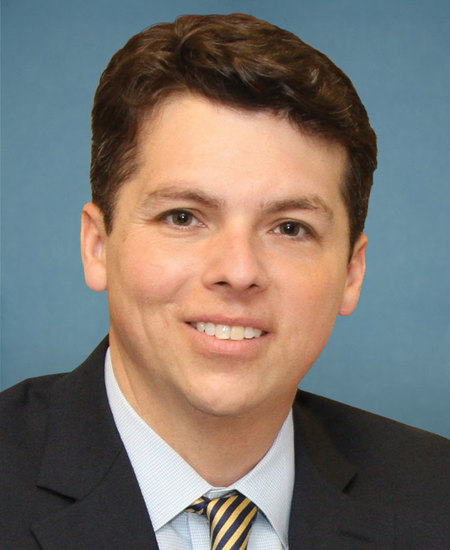
Rep. Brendan F. Boyle
Sponsored bills
Maddy summaryThe Vote by Mail Protection Act of 2026 directly affects the federal government by nullifying Executive Order 14399, which previously required citizenship verification in federal elections. This legislation prohibits any federal agency from enforcing the order or using taxpayer funds to carry out its activities. By repealing the executive order, the bill removes the mandate for agencies to verify citizenship as a condition for voting in federal elections.
Maddy summaryThis resolution formally recognizes the week of May 4 through May 8, 2026, as "Teacher Appreciation Week" to honor the work of public school educators. It highlights the importance of teachers in the education system and notes that a majority of them support various policies, including protections for students and funding for public schools. The document also expresses the view that teachers should have a direct role in education policymaking at federal, state, and local levels. By issuing this designation, the House of Representatives aims to acknowledge the value of teachers and encourage government leaders to engage with them on issues affecting the classroom.
Maddy summaryThis bill is a non-binding resolution that expresses the House of Representatives' sentiment to honor public servants for their dedication to the United States. It specifically acknowledges the work of federal, state, and local government employees, as well as uniformed service members, who deliver essential services and support the economy. The resolution calls on the American public to observe Public Service Recognition Week with ceremonies and activities that recognize these contributions. Because it is a symbolic expression of the House's feelings rather than a law with enforceable rules, it does not create new policies or mandate specific actions.
Maddy summaryThis resolution asks the President to provide the House of Representatives with specific documents regarding how personally identifiable information from the Social Security Administration was accessed and used. The request focuses on records concerning the Numerical Identification System, death data, and other private details allegedly copied by an individual working for the Department of Government Efficiency onto personal devices. Additionally, the bill seeks information about any attempts to share this data with a private employer and any statements made about expecting a presidential pardon for such actions. If the President does not comply within 14 days, the matter may be referred to the House Ways and Means Committee for further review.
Maddy summaryThe GUARD Act requires companies that offer AI chatbots designed to simulate human friendship to verify the age of every user and block access for anyone under 18. To comply, these platforms must collect verifiable age data, clearly disclose that the chatbot is not a human, and ensure the AI does not claim to be a licensed professional like a therapist or doctor. The law also makes it a federal crime to design or distribute such chatbots that encourage minors to engage in sexually explicit acts or promote self-harm and violence, with penalties of up to $100,000 per violation.
Maddy summaryThis bill temporarily suspends a portion of the federal fuel excise tax when the national average price of gasoline rises above $3.99 per gallon. Instead of reducing government revenue, the money saved from this tax cut is transferred back into the Highway Trust Fund and the Leaking Underground Storage Tank Trust Fund. Additionally, the legislation disallows certain tax credits and deductions for oil and gas companies for costs incurred or production occurring during these high-price months. These changes would only take effect for taxable years beginning after December 31, 2025.
Maddy summaryThe No WAR Act prohibits Congress from using budget reconciliation procedures to fund military hostilities against Iran unless such actions are explicitly authorized by a formal declaration of war or a specific authorization for the use of military force. This legislation directly affects the legislative process by establishing a point of order that blocks any reconciliation bill attempting to provide budget authority for offensive military operations, strikes, or covert actions targeting Iranian military forces, territory, or government institutions. The bill also defines proxy forces as any foreign military or irregular groups operating with U.S. direction or material support, ensuring these entities are included in the restrictions on unauthorized funding. By amending the Congressional Budget and Impoundment Control Act, the measure aims to prevent the use of budgetary shortcuts to bypass the constitutional requirement for congressional approval before engaging in armed conflict with Iran.
Maddy summaryThis bill, titled the Protecting Human Rights and Public Health in Foreign Assistance Act, aims to cancel specific regulations issued by the Department of State. It directly affects the federal government by prohibiting any department or agency from enforcing, implementing, or proposing rules related to protecting life, combating discriminatory equity ideology, and combating gender ideology in foreign aid programs. The legislation treats these cancelled rules as if they never existed, effectively nullifying their impact on future foreign assistance policies.
Maddy summaryThe Rehabilitation of Historic Schools Act of 2026 allows public school buildings to qualify for federal tax credits when they are rehabilitated, provided the buildings were used as public schools for five years before and after the renovation. This change removes a previous restriction that had excluded public educational facilities from receiving these financial incentives. The bill requires the Treasury Department to report data on the number of rehabilitated schools, student enrollment, and renovation costs to Congress within five years of enactment. These provisions apply to properties placed in service after the law is passed, aiming to encourage the preservation and repair of historic public school infrastructure.