

COVID-19 Testing, Reaching, And Contacting Everyone (TRACE) Act This bill authorizes the Centers for Disease Control and Prevention to award grants for testing, contact tracing, monitoring, and other activities to address COVID-19 (i.e., coronavirus disease 2019). Entities eligible for these grants include certain clinics and hospitals, nonprofits, and schools.
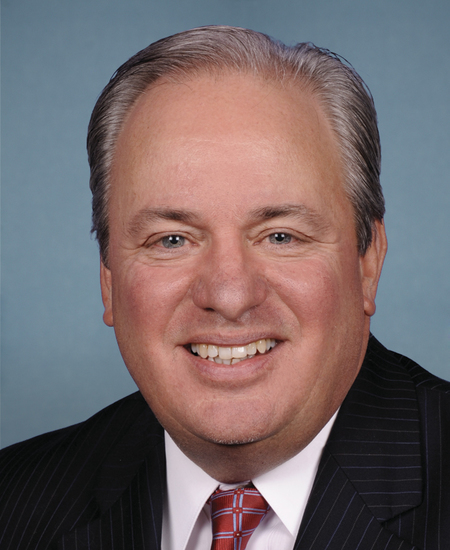
Rep. Michael F. Doyle
Sponsored bills
USPS Fairness Act This bill repeals the requirement that the U.S. Postal Service annually prepay future retirement health benefits.
Ensuring Coverage in Public Health Emergencies Act of 2021 This bill requires private health insurance plans to provide a 30-day special enrollment period for eligible individuals after a public health emergency is declared. An employee who is eligible but not enrolled may enroll in an employer-provided group health plan during the special enrollment period.
Emergency Water is a Human Right Act This bill creates a grant program, administered by the Department of Health and Human Services, to provide funds to states and Indian tribes to assist low-income households that pay a high proportion of household income for drinking water and wastewater services. Further, any entity receiving financial assistance under this grant program must ensure that no home energy service or public water system service is or remains disconnected or interrupted during the COVID-19 (i.e., coronavirus disease 2019) public health emergency.
COVID HCBS Relief Act of 2021 This bill temporarily increases the applicable Federal Medical Assistance Percentage (i.e., federal matching rate) under Medicaid for certain approved home- and community-based services that are provided between October 1, 2020, and September 30, 2022. As a condition for receiving the increased rate, a state must agree to undertake activities to improve the delivery of such services during and after the public health emergency relating to COVID-19 (i.e., coronavirus disease 2019), such as by providing additional benefits to home health workers and by helping individuals who were relocated to nursing facilities during the emergency move back to their homes.
Energy Resilient Communities Act This bill requires the Department of Energy to establish a program that awards grants to make critical energy infrastructure more resilient to climate change hazards, such as grants for developing clean energy microgrids that support critical community infrastructure or customers of electric utilities with special energy needs due to medical conditions.
Ally's Act This bill requires private health insurance plans to cover certain hearing devices and systems (e.g., bone-anchored auditory implants) and related items and services. The bill also imposes limits on cost sharing.
COVID-19 Mine Worker Protection Act This bill requires the Department of Labor to issue health and safety standards to protect coal miners from occupational exposure to COVID-19 (i.e., coronavirus disease 2019). Labor shall provide for emergency standards within seven days of this bill's enactment, and such emergency standards shall be in force until permanent standards are promulgated. Labor shall also collect data to track and investigate cases of exposure to COVID-19 among coal miners.
Securing Access to Lower Taxes by ensuring Deductibility Act or the SALT Deductibility Act This bill repeals the temporary restrictions in taxable years 2018 through 2025 on the deductibility of state and local taxes.
Raise the Wage Act of 2021 This bill increases the federal minimum wage for regular employees over a 5-year period, for tipped employees, and for newly hired employees who are less than 20 years old. The bill sets forth a schedule of annual increases in the federal minimum wage for individuals with disabilities. The Department of Labor shall no longer issue special certificates for the payment of subminimum wages to such individuals after the final wage increase under this bill for such individuals takes effect. Labor shall provide, upon request, technical assistance and information to employers to (1) help them transition their practices to comply with wage increases and other requirements under this bill for individuals with disabilities, and (2) ensure continuing employment opportunities for such individuals. The bill eliminates the separate minimum wage requirements for tipped, newly hired, and disabled employees. After a specified period, these employees shall be paid the same minimum wage as regular employees. Labor must publish any increase in the minimum wage in the Federal Register and on its website 60 days before it takes effect.