

Treat and Reduce Obesity Act of 2025 This bill expands Medicare coverage of intensive behavioral therapy for obesity. Specifically, the bill allows coverage for therapy that is provided by (1) a physician who is not a primary care physician; or (2) other health care providers (e.g., physician assistants and nurse practitioners) and approved counseling programs, if provided upon a referral from, and in coordination with, a physician or primary care practitioner. Currently, such therapy is covered only if provided by a primary care practitioner. The bill also allows coverage under Medicare's prescription drug benefit of drugs used for the treatment of obesity or for weight loss management for individuals who are overweight.
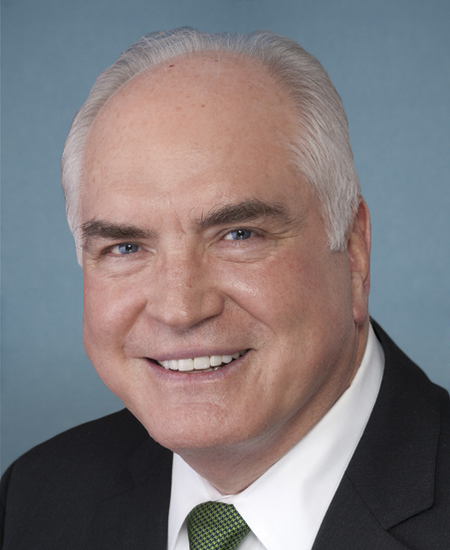
Rep. Mike Kelly
Sponsored bills
Maddy summaryThe CONNECT for Health Act of 2025 expands Medicare telehealth coverage by removing geographic restrictions that limited where patients could receive care, expanding the types of health care providers who can offer telehealth services, and eliminating the requirement for an in-person visit before receiving telemental health services. The bill includes specific provisions to support telehealth use for Native American health facilities, rural health clinics, and Federally Qualified Health Centers. It requires the Centers for Medicare & Medicaid Services to collect and publish data on telehealth usage and impacts, and to develop resources to improve accessibility for people with disabilities and limited English proficiency. Program integrity measures are added to monitor telehealth billing practices and prevent fraud while maintaining coverage for telehealth services during public health emergencies.
Maddy summaryHR 4204, the Medicare Patient Choice Act, expands Medicare beneficiaries' ability to directly choose certain healthcare providers without requiring a physician referral. It updates Medicare rules to explicitly include physical therapists, occupational therapists, speech-language pathologists, and qualified audiologists as covered providers, replacing previous references to "physician or practitioner" throughout the law. This change allows beneficiaries to access these specific therapy services directly from qualified providers, removing prior barriers that often required a doctor's referral. The bill directly affects Medicare beneficiaries seeking these therapy services and the qualified professionals providing them. The key mechanism is amending the Social Security Act to expand the definition of covered providers within Medicare's existing framework.
Maddy summaryThis bill makes payments to clinical trial participants tax-free and ensures those payments won't count toward income limits for federal programs like Medicaid or food assistance. It covers both compensation for participation and reimbursement of reasonable expenses (like travel) related to approved clinical trials for life-threatening conditions. The exclusion applies to payments made after December 31, 2025, and is defined in the bill using existing IRS and Public Health Service Act terms.
Maddy summaryThis bill makes technical corrections to the Camp Lejeune Justice Act of 2022 to streamline claims for individuals harmed by water contamination at Camp Lejeune. It clarifies the evidence required (30+ days at the base plus a link between contaminants and health harm), specifies that cases must be handled in North Carolina courts (with limited transfer options), and sets attorney fee caps (20% before suit, 25% after). These changes directly affect veterans and civilians who lived at Camp Lejeune and filed claims under the 2022 law. The bill does not create new eligibility but aims to improve the legal process for existing cases.
Maddy summaryH.J.Res. 88 disapproves an Environmental Protection Agency (EPA) rule that would have allowed California to enforce its "Advanced Clean Cars II" vehicle emission standards. This rule, submitted by the EPA on January 6, 2025, sought to grant California a waiver to override federal preemption for its stricter vehicle pollution controls. The resolution, passed by Congress and signed into law on June 12, 2025, formally nullifies the EPA rule, preventing California from implementing its Advanced Clean Cars II program under this specific waiver. The bill directly affects California's ability to set its own vehicle emission standards for passenger cars and light trucks.
Maddy summaryHJRES 89 is a congressional disapproval resolution that blocks an Environmental Protection Agency (EPA) rule concerning California's vehicle and engine pollution standards. The resolution specifically targets the EPA's "Omnibus Low NOX Regulation" and waiver of preemption, which would have allowed California to enforce stricter emissions rules. By disapproving this rule under Chapter 8 of Title 5 U.S. Code, Congress has nullified the EPA's action, meaning the regulation will have no legal effect. This directly affects the EPA's authority to approve California's state-level pollution control standards for motor vehicles.
Maddy summaryHRES 506 is a non-binding House resolution expressing support for preserving Social Security. It states the House believes Social Security must be protected for current beneficiaries (over 66 million Americans receiving retirement, disability, and survivor benefits) and future generations. The resolution emphasizes that workers’ payroll taxes create a promise of income security that should be honored. It does not create new law or change policy - it solely reflects the House’s position. The resolution was introduced by multiple representatives and referred to the Ways and Means Committee.
Maddy summaryHR 3892, the Flow Act, clarifies that replacing privately-owned lead service lines connected to public water systems does not count as "private business use" under federal tax law. This change directly affects public water systems and issuers of tax-exempt bonds by allowing them to use bond proceeds for lead pipe replacement without disqualifying the bonds from tax-exempt status. The bill specifies that funds used to replace lead service lines to comply with federal lead regulations (as defined in the Safe Drinking Water Act) qualify for this tax treatment. The provision applies to bonds issued after December 31, 2025, facilitating future financing for lead pipe removal projects.
Maddy summaryHR 3885, the Community TEAMS Act of 2025, creates a new grant program to expand medical student clinical training in rural and medically underserved communities. It provides funding for consortia of medical schools partnered with rural health clinics, community health centers, or facilities in underserved areas to support student rotations in outpatient settings. The grants, lasting 1-5 years, require applicants to detail project plans, sustainability, and how the program will improve community access to healthcare. This directly affects medical students, training facilities, and residents of high-need areas by aiming to build a sustainable physician workforce in those locations.