

Maddy summaryHR 8698, the SCREEN for Type 1 Diabetes Act of 2024, directs the CDC to launch a national public awareness campaign about type 1 diabetes detection and screening. The campaign will provide written materials on early symptoms and screening benefits, develop public service announcements across media platforms, and distribute culturally competent resources to healthcare providers, schools, and public health departments. It specifically targets communities with rising type 1 diabetes incidence and requires consultation with health organizations and affected communities. The bill authorizes $5 million annually from 2025-2029 to fund this campaign and mandates a report to Congress on its impact one year after enactment.
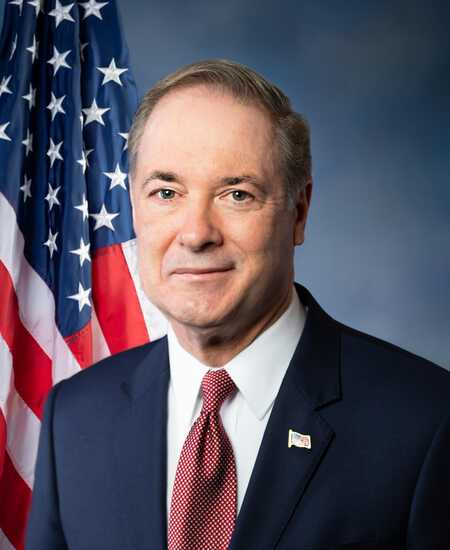
Rep. John Joyce
Sponsored bills
Maddy summaryThis bill delays a Medicare policy that would have restricted coverage to only intravenous drugs for managing phosphate levels in kidney failure patients. It specifically postpones the implementation of the "oral-only" policy under Medicare's ESRD payment system until January 1, 2033, or until an intravenous drug for phosphate control receives FDA approval - whichever comes first. The bill directly affects Medicare beneficiaries with end-stage renal disease (ESRD) who rely on oral medications for phosphate management. It ensures continued Medicare coverage for these oral drugs during the extended timeline, without changing the underlying payment structure.
Maddy summaryHJRES 153 is a joint resolution seeking congressional disapproval of a Federal Communications Commission (FCC) rule titled "Safeguarding and Securing the Open Internet; Restoring Internet Freedom," which was submitted on May 22, 2024. If passed, this resolution would nullify the FCC rule, preventing it from taking effect and preserving the previous regulatory framework that required internet service providers to treat all online content equally. The bill directly affects the FCC’s authority to implement this specific rule and would maintain existing net neutrality protections. It follows a procedural mechanism under Chapter 8 of Title 5, U.S. Code, for congressional disapproval of agency rules. The resolution does not alter current law but blocks the FCC’s proposed changes to internet regulation.
Maddy summaryHJRES 152 is a congressional resolution seeking to block an Environmental Protection Agency (EPA) rule on managing coal ash waste from power plants, specifically for older disposal ponds (legacy CCR surface impoundments). The rule, published on May 8, 2024, established requirements for electric utilities to handle coal ash, including safety standards for existing disposal sites. If passed, this resolution would prevent the EPA rule from taking effect, removing the compliance requirements for utilities. This directly affects electric utilities that manage coal ash and the EPA's regulatory authority over waste disposal practices.
Maddy summaryThis resolution (HRES 1252) honors emergency medical services (EMS) personnel across the United States for their critical work. It recognizes their 24/7 service in rural and underserved areas, their role in stabilizing and transporting patients during emergencies, and their dedication to public health care. The resolution specifically expresses appreciation for EMS workers during Emergency Medical Services Week (May 19-25, 2024). As a ceremonial resolution, it contains no new policies, funding, or legal requirements - only symbolic recognition of their contributions.
Maddy summaryHR 895, the Combating Organized Retail Crime Act of 2023, expands federal law to better prosecute organized retail theft by amending sections 2314 and 2315 of Title 18. It clarifies that crimes involving stolen goods valued at $5,000 or more over 12 months - including retail theft - can be prosecuted under existing federal statutes, and broadens definitions to include goods taken via "any facility of interstate or foreign commerce." The bill also creates a new Organized Retail Crime Coordination Center within Homeland Security, requiring it to coordinate federal, state, and local law enforcement efforts, share threat information with retailers, and produce annual public reports on trends. This directly affects law enforcement agencies, retailers, and criminal justice systems by standardizing prosecution thresholds and enhancing interagency collaboration.
Maddy summaryThis bill requires the U.S. Department of Defense and State Department to immediately deliver all previously approved military equipment and services to Israel within 15 days, reversing any pauses on arms transfers. It prohibits using federal funds to withhold, halt, or cancel defense article deliveries to Israel and mandates that unobligated security assistance funds for Israel must be spent by the end of 30 days. The bill also requires monthly reports to Congress detailing all security assistance provided to Israel since October 7, 2023, including specific items delivered and funding sources. The law directly affects U.S. agencies responsible for military aid and Israel as the recipient of the security assistance.
Maddy summaryHR 8325, the Physician and Patient Safety Act, requires the Health and Human Services Secretary to create regulations ensuring physicians with hospital medical staff privileges receive a fair hearing and appeal process before their privileges are terminated, restricted, or reduced. The regulations must prevent hospitals or third parties from denying this process, prohibit requiring physicians to waive these rights as an employment condition, and keep all hearings confidential - except when there's an ongoing patient safety threat or under existing data bank reporting rules. This directly affects physicians employed at hospitals and protects their professional rights during disciplinary actions. The law mandates these regulations be finalized within 18 months of enactment.
Maddy summaryThis bill extends federal funding for poison control centers through fiscal years 2024-2028, replacing previous funding periods (2020-2024). It directly affects all 55 poison control centers nationwide by ensuring continued operation of the national toll-free number (1-800-222-1222), ongoing public education efforts, and the grant program that supports center infrastructure. The key change is simply extending the authorization period for these existing programs without altering their structure or requirements. This provides stability for centers that handle millions of annual poison exposures and emergency calls.
Maddy summaryThis bill requires Medicare to pay separately for certain high-cost diagnostic drugs used in nuclear imaging (like those for cancer detection) starting in 2024. It applies to drugs with a daily cost of $500 or more (adjusted annually), ensuring they are not bundled with other services. Payments will be based on either the drug's average sales price or wholesale cost, with adjustments to keep overall Medicare spending unchanged. This directly affects Medicare Part B providers (hospitals, clinics) and beneficiaries receiving these specific diagnostic treatments.