

Maddy summaryThe Stop the Cartels Act (HR 597) aims to disrupt drug trafficking organizations and related criminal activities by requiring enhanced intelligence gathering on cartels in Mexico and Central American countries, mandating improved U.S.-Mexico law enforcement cooperation, and cutting federal funding from jurisdictions that restrict immigration enforcement. The bill creates a "Special Transnational Criminal Organization" designation for major cartels like the Sinaloa Cartel and Jalisco New Generation Cartel, requires monthly reports on migrant encounters at the border, and establishes refugee processing centers in Mexico and Central America. It also increases staffing for immigration courts by 500 judges, prohibits asylum applications from nationals of countries with refugee processing centers, and reauthorizes substance abuse prevention funding at higher levels while repealing several existing drug programs. These provisions directly affect U.S. intelligence and law enforcement agencies, Mexican and Central American governments, local jurisdictions receiving federal funds, and migrants seeking asylum or refugee status.
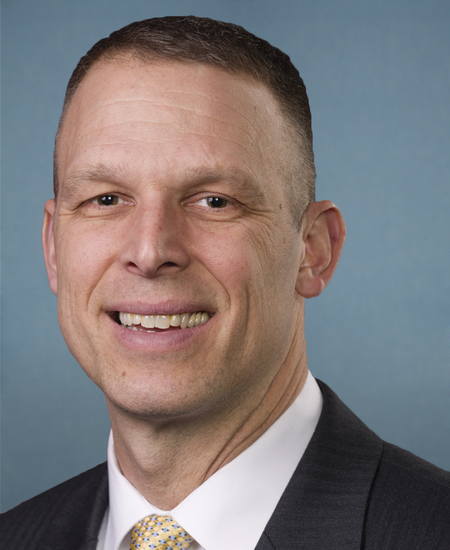
Rep. Scott Perry
Sponsored bills
Maddy summaryThis bill prohibits federal funding from being provided to healthcare facilities that refuse treatment to patients based on their COVID-19 vaccination status. It specifically blocks funds under Medicare (Title XVIII), Medicaid (Title XIX), and CHIP (Title XXI) from going to such facilities. The law directly affects hospitals, clinics, and other providers receiving federal healthcare funding by requiring them to offer treatment regardless of vaccination status. The key mechanism is withholding all federal funds authorized by law from any facility engaging in this practice.
Maddy summaryHR 150, the Protecting American Energy Production Act, gives states primary authority to regulate hydraulic fracturing (fracking) for oil and gas on state and private lands, directly affecting state governments and energy producers. The bill requires states to maintain this regulatory role and blocks the President from imposing a fracking moratorium without explicit congressional approval. Key provisions include a Congressional "sense" statement affirming state primacy and a direct prohibition on presidential moratoriums unless authorized by a new law. This bill focuses on shifting regulatory power to states and limiting federal executive action on fracking, without specifying financial impacts or environmental standards.
Maddy summaryThis bill would require the U.S. to withhold funding for the UNRWA (United Nations refugee agency for Palestinians) unless the State Department certifies UNRWA staff, materials, and facilities comply with specific conditions. Key conditions include confirming no ties to terrorism or anti-Israel rhetoric (like denying Israel's right to exist or promoting BDS), no misuse of UNRWA resources for terrorist activities, and adherence to international financial audits. It also caps U.S. contributions to UNRWA at levels comparable to Arab League countries and mandates annual reports to Congress on phasing out UNRWA support. These changes directly affect U.S. foreign aid decisions for Palestinian refugees in Jordan, Lebanon, Syria, Gaza, and the West Bank.
Maddy summaryThis bill bans all federal funding to the Wuhan Institute of Virology for any purpose. It also requires the Government Accountability Office (GAO) to study whether U.S. funds were provided to the institute or related Chinese entities (including affiliated researchers, China, the Chinese Communist Party, or their agencies) over the 15 years prior to enactment. The GAO must complete this study and report to Congress within two years of the bill becoming law. This directly affects U.S. funding decisions for the institute and its connections to Chinese research networks.
Maddy summaryHR 185 ends a Centers for Disease Control and Prevention (CDC) rule requiring foreign travelers entering the U.S. by air to show proof of a COVID-19 vaccination. The bill takes effect immediately upon enactment, terminating the specific requirement outlined in the CDC’s April 2022 order (and any similar future orders). It also prohibits federal funding from being used to enforce this rule. This change directly affects foreign air travelers entering the United States, removing a vaccination proof requirement for their entry. The bill does not impact domestic travel, other entry methods, or vaccination requirements for U.S. citizens.
Maddy summaryHR 976, the TCJA Permanency Act, makes permanent many tax provisions from the 2017 Tax Cuts and Jobs Act (TCJA) that were scheduled to expire after 2025. The bill affects individual taxpayers by keeping lower tax rates, higher standard deductions, increased child tax credits, and other key changes permanently. Key provisions include permanent modifications to income tax brackets, repeal of personal exemptions, limits on state and local tax deductions, and increased estate and gift tax exemptions. These changes would prevent the tax code from reverting to pre-TCJA rates and rules for millions of taxpayers.
Maddy summaryHR 29, the Border Safety and Security Act of 2023, grants the Secretary of Homeland Security authority to restrict entry at U.S. land or maritime borders for certain immigrants deemed "covered aliens" (those inadmissible under immigration law due to lack of proper documentation). The bill requires the Secretary to suspend entry if they cannot detain or process these individuals as required by existing immigration law. It also allows state attorneys general to sue the Secretary in federal court if they believe border policies harm their state's residents. The law defines "operational control" using terms from the Secure Fence Act of 2006. This bill directly affects immigrants seeking entry who fall under the specified inadmissibility category.
This resolution condemns Iranian state-sponsored terrorist attacks against U.S. citizens and officials and Iranian dissidents. The resolution also expresses support for the people of Iran who are legitimately defending their rights for freedom against repression and condemns the killing of Iranian protesters by the Iranian regime.
Maddy summaryHCONRES 13 is a concurrent resolution expressing Congress's support for maintaining the current policy that prohibits imposing new fees on local radio stations for playing music. It states that Congress should not impose any performance fee, tax, royalty, or charge on local radio stations for broadcasting sound recordings over the air, or on businesses like bars and restaurants that play music publicly. The resolution argues that such fees would harm local radio stations - critical sources for emergency information and community programming - and jeopardize the economic model that has supported both radio and the music industry for decades. This resolution does not create new law but formally opposes potential legislative changes to the existing fee structure.