

Maddy summaryHR 8785, the Tax Free Tips Act of 2024, reclassifies tips as gifts rather than taxable income for workers in service industries like restaurants and hospitality. It removes tips from income tax calculations, Social Security taxes, unemployment taxes, and wage withholding requirements. The bill repeals existing rules requiring employers to report tips (Section 6053) and eliminates related tax credits (Section 45B). Tips will no longer be counted as income for tax purposes, effective for tips received after the bill's enactment date. This directly affects tipped employees by eliminating tax obligations on their gratuities.
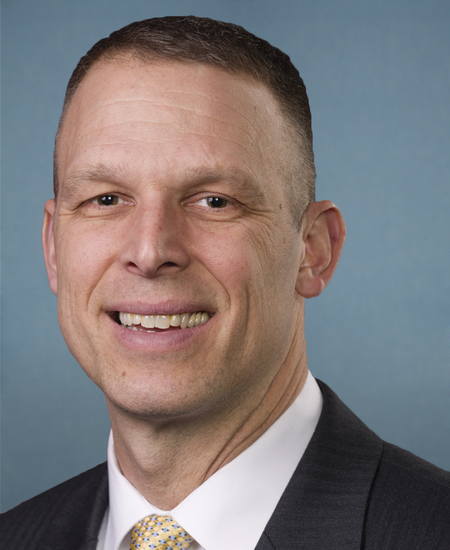
Rep. Scott Perry
Sponsored bills
Maddy summaryThis bill rescinds unspent funds from specific federal programs. It targets leftover money from pandemic relief (like the CARES Act and American Rescue Plan) and certain infrastructure initiatives (including education stabilization funds and transportation programs like the Congestion Mitigation Program). The rescission is limited to amounts already allocated for Israel, Ukraine, and Indo-Pacific security supplements under recent appropriations. Unspent funds must be returned to the Treasury, with no new spending created.
Maddy summaryHR 8737, the "Free Market Drives Itself Act," repeals a working group established under the Infrastructure and Investment and Jobs Act to coordinate electric vehicle infrastructure efforts and prohibits the Departments of Energy and Transportation from continuing or creating any similar advisory group. This bill directly affects these federal agencies by eliminating an existing advisory body focused on electric vehicle policy and banning its replacement. The key mechanism is the explicit repeal of Section 25006 of the Infrastructure and Investment and Jobs Act and a binding prohibition on reestablishing comparable structures. The policy change removes a specific coordination mechanism without altering broader electric vehicle funding or regulations.
Maddy summaryHR 5403, the CBDC Anti-Surveillance State Act, prohibits the Federal Reserve from issuing or facilitating central bank digital currency (CBDC) directly or indirectly to individuals through financial institutions. It specifically bans Federal Reserve banks from offering digital products to individuals, maintaining individual accounts, or using CBDC for monetary policy implementation. The bill also clarifies that its restrictions do not apply to existing physical cash or private, permissionless digital payment systems. This bill directly affects the Federal Reserve's ability to develop or deploy a government-run digital dollar. The law aims to prevent the Federal Reserve from creating a digital currency that could enable transaction tracking or government oversight of personal financial activity.
Maddy summaryHJRES 152 is a congressional resolution seeking to block an Environmental Protection Agency (EPA) rule on managing coal ash waste from power plants, specifically for older disposal ponds (legacy CCR surface impoundments). The rule, published on May 8, 2024, established requirements for electric utilities to handle coal ash, including safety standards for existing disposal sites. If passed, this resolution would prevent the EPA rule from taking effect, removing the compliance requirements for utilities. This directly affects electric utilities that manage coal ash and the EPA's regulatory authority over waste disposal practices.
Maddy summaryHJRES 150 is a joint resolution seeking congressional disapproval of an Environmental Protection Agency (EPA) rule that established updated national emission standards for hazardous air pollutants from coal and oil-fired power plants. The resolution targets the EPA's specific rule published on May 7, 2024, which required these facilities to review residual risks and technologies to reduce emissions. If enacted, the resolution would nullify the rule, preventing the new standards from taking effect and keeping current regulations in place for power plants. This procedural bill uses the Congressional Review Act (Chapter 8 of Title 5, U.S. Code) to block the EPA rule without altering existing environmental laws.
Maddy summaryHJRES 146 is a congressional disapproval resolution targeting a Centers for Medicare & Medicaid Services (CMS) rule published on May 8, 2024, that would have clarified eligibility for health insurance subsidies under the Affordable Care Act for Deferred Action for Childhood Arrivals (DACA) recipients and certain other noncitizens. The rule aimed to allow these individuals to access premium tax credits, cost-sharing reductions, and basic health programs through health insurance marketplaces. If enacted, this resolution would block the CMS rule from taking effect, maintaining current restrictions that prevent DACA recipients from qualifying for these subsidies.
Maddy summaryHR 8519 prohibits federal departments and agencies from using government funds for three specific research programs: disinformation research grants, Secure and Trustworthy Cyberspace grants, and the National Science Foundation's Track F program focused on "Trust and Authenticity in Communications Systems." The bill directly affects federal agencies that administer research grants, preventing them from obligating or spending funds on these designated initiatives. It does not alter existing laws or regulations but restricts future funding allocations for these particular research areas. This is a procedural funding restriction, not a policy change affecting the public.
Maddy summaryThis bill requires the Director of National Intelligence to produce an unclassified public report within 90 days of enactment detailing the wealth and alleged corrupt activities of top Chinese Communist Party (CCP) leaders, including the General Secretary and Politburo members. It also mandates that the Director (or a designee) testify in open hearings before the House and Senate Intelligence Committees within 180 days about the report's findings. The legislation directly affects U.S. intelligence and foreign policy agencies responsible for compiling and presenting this information. The focus is solely on creating a transparency mechanism for public disclosure, with no additional policy changes or funding specified.
Maddy summaryHJRES 151 is a congressional disapproval resolution targeting an Environmental Protection Agency (EPA) rule that would have set new water pollution standards for steam electric power plants, including coal and nuclear facilities. The rule, published in the Federal Register on May 9, 2024, aimed to limit pollutants discharged into waterways from these power plants. If passed, this resolution would block the rule from taking effect under the Congressional Review Act. It directly affects steam electric power plants by preventing the implementation of these new environmental requirements.