

Maddy summaryThis bill directs the U.S. Department of Energy to conduct a study on how artificial intelligence (AI) and data center growth affects energy resources, with specific focus on rural and remote areas. The study will examine infrastructure needs, alternative energy sources (like solar, wind, and hydro), impacts on energy costs and reliability, and ways to speed up permitting for these facilities. It requires a report to Congress within 180 days of enactment. The bill does not create new regulations or funding but aims to inform future energy planning for AI/data center development.
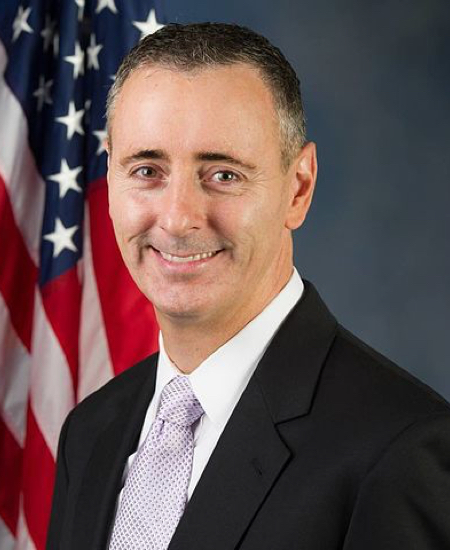
Rep. Brian K. Fitzpatrick
Sponsored bills
Maddy summaryThis bill modifies the Family and Medical Leave Act (FMLA) to extend eligibility to school support staff, including paraprofessionals, cafeteria workers, bus drivers, and clerical staff. It allows these employees to qualify for FMLA leave if they work 60% of their expected monthly hours (instead of the standard 1,250 hours), based on their school’s assigned schedule. Employers must maintain records of expected hours for each staff member. The change directly benefits part-time and seasonal education support staff who previously faced barriers to FMLA coverage.
Maddy summaryThe TERRA Act enables Indian Tribes to integrate funding from multiple federal programs into comprehensive plans addressing environmental threats and natural disasters, including climate impacts like flooding, erosion, wildfires, and sea level rise. The bill streamlines administrative processes by requiring only a single annual report instead of multiple reports from individual programs and allows tribes to reallocate funds across different services as needed. It establishes a streamlined permitting process for environmental reviews and creates an expedited fee-to-trust process for land acquisitions to support community-driven relocation efforts. The Act aims to reduce bureaucratic barriers while empowering tribes to address environmental challenges through their own community-driven strategies within the federal trust responsibility framework.
Maddy summaryThe Mental Health in Aviation Act of 2025 requires the Federal Aviation Administration (FAA) to update regulations within two years to encourage pilots and air traffic controllers to seek mental health care and disclose conditions without fear of losing medical clearance. It mandates annual reviews to improve the medical clearance process for mental health conditions - such as approving additional safe medications, enhancing examiner training, and reducing backlogs - and allocates $13.74 million yearly (2026-2029) to hire more aviation medical examiners. The bill also directs the FAA to implement recommendations from a mental health rulemaking committee and fund a public campaign to reduce stigma around mental health care in aviation. These provisions aim to support aviation workers' well-being while streamlining safety-related medical evaluations.
Maddy summaryThis bill changes how the military calculates income for the Basic Needs Allowance. It excludes the Basic Allowance for Housing (BAH) from the gross household income calculation for eligible service members. As a result, service members' housing payments will no longer count toward their income when determining their Basic Needs Allowance eligibility or amount. This directly affects active-duty military members and their families who receive the Basic Needs Allowance. The change modifies the existing calculation method under Title 37, U.S. Code, to simplify the process.
Maddy summaryThis bill increases federal funding for Impact Aid, which supports school districts that serve students on federal property (like military bases) or have high numbers of children with disabilities. It authorizes specific annual funding amounts for four key areas: payments for federal property acquisition, basic support for heavily impacted districts, aid for children with disabilities, and school construction. The funding grows incrementally each year from 2026 through 2031, with total annual amounts rising from $85 million to $250 million for property payments, and from $1.49 billion to $2.35 billion for basic district support. This directly affects school districts in communities with significant federal land or federal facility presence.
Maddy summaryThis bill creates new "Offices of Small Business" within each Securities and Exchange Commission (SEC) division that writes rules. These offices will coordinate with the existing Office of the Advocate for Small Business Capital Formation to shape rules affecting how small businesses access capital. The bill directly affects SEC rulemaking processes, ensuring small business perspectives are integrated into capital formation policies. It does not change existing securities regulations but establishes an internal structure for the SEC to consider small business needs during rule development.
Maddy summaryHR 1510, the Due Process Continuity of Care Act, expands Medicaid eligibility to cover individuals in jail or custody while awaiting trial or disposition of charges, at a state's option. This allows states to provide Medicaid benefits to this population without requiring them to be convicted first. The bill provides $50 million in planning grants to states to develop implementation plans, including assessing healthcare needs, recruiting providers (especially for behavioral health and substance use treatment), and creating electronic billing systems for correctional facilities and outpatient providers. States must also consult with stakeholders like jails, providers, and Medicaid advocates before finalizing their plans.
Maddy summaryHR 2808, the Homebuyers Privacy Protection Act, restricts how consumer reporting agencies share credit reports during mortgage applications. It prevents agencies from sending these reports to third parties unless the request is tied to a firm credit offer and the recipient has either the homebuyer’s explicit written consent or is directly involved in the mortgage (like the lender, loan servicer, or the homebuyer’s bank holding an active account). This directly affects homebuyers applying for residential mortgages by limiting unsolicited sharing of their credit information. The law amends the Fair Credit Reporting Act to strengthen privacy protections around mortgage-related credit data.
Maddy summaryHR 5145, the Bipartisan Premium Tax Credit Extension Act, extends enhanced federal subsidies for health insurance premiums through 2026. It directly affects individuals purchasing coverage through health insurance marketplaces who qualify for premium tax credits. The bill extends the period for increased credit amounts (through 2026 instead of 2025) and maintains the rule allowing tax credits for households earning above 400% of the federal poverty level. These changes apply to tax years beginning after December 31, 2025.