

Maddy summaryH.J.Res. 5 proposes a constitutional amendment to limit congressional service: Representatives would be restricted to six two-year terms (12 years total), and Senators to two six-year terms (12 years total). The bill counts any service exceeding one year in a House term or three years in a Senate term as a full term toward the limit. It does not apply to members serving before the 118th Congress (2023-2025). This would directly affect future members of Congress seeking re-election beyond these term limits. The amendment requires ratification by three-fourths of state legislatures within seven years to take effect.
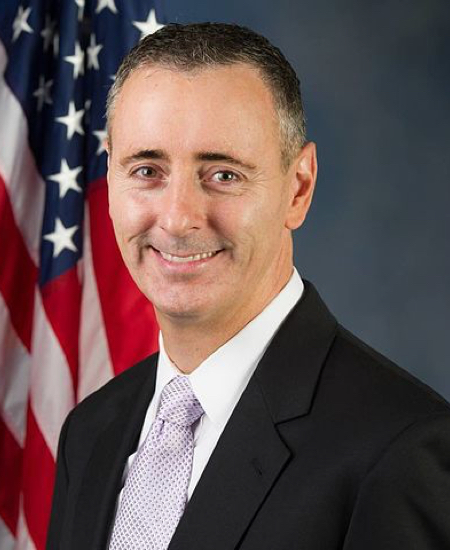
Rep. Brian K. Fitzpatrick
Sponsored bills
This joint resolution proposes a constitutional amendment prohibiting total outlays for a fiscal year from exceeding total receipts for that fiscal year unless Congress authorizes the excess by a two-thirds roll call vote of each chamber. The amendment also requires the President to submit an annual budget in which total outlays for the fiscal year do not exceed total receipts. Congress may waive the requirements for any fiscal year in which (1) a declaration of war is in effect by a roll call vote, or (2) a declaration of a natural disaster or a national emergency is in effect that was declared by a joint resolution that became law after being adopted by a majority of each chamber of Congress.
Maddy summaryThis constitutional amendment would require Congress to approve a budget resolution before the start of each fiscal year for members to receive pay. It directly affects all 535 current and future members of Congress. The key provision prohibits compensation during any fiscal year unless both the House and Senate agree to an identical budget resolution prior to that year’s start date. If ratified, this would tie congressional pay to timely budget passage, requiring budget agreement before the fiscal year begins.
Maddy summaryHR 24, the Federal Reserve Transparency Act of 2025, mandates a comprehensive audit of the Federal Reserve Board and Federal Reserve banks by the Government Accountability Office (GAO) within 12 months of enactment. The bill requires the GAO to submit a detailed report to Congress within 90 days of completing the audit, including findings, conclusions, and recommendations for legislative or administrative action. This audit replaces current limitations on reviewing Federal Reserve operations, particularly regarding entities like special purpose vehicles not previously subject to standard audits. The bill directly affects the Federal Reserve System by increasing congressional oversight of its financial activities and reporting mechanisms.
Maddy summaryHR 157, the CLEAN Congress Act, requires every congressional bill, resolution, or vote to address only one subject clearly stated in its title. It also mandates that all federal laws apply equally to Members of Congress and their staff, removing special exceptions for lawmakers. The bill directly affects how Congress drafts and passes legislation, aiming to increase transparency by preventing unrelated provisions in single bills. These changes apply starting with the 119th Congress and do not restrict routine official duties like accessing Capitol buildings.
Maddy summaryThis bill denies federal funds to states or localities (sanctuary jurisdictions) that restrict sharing immigration status information or refuse to comply with federal detainer requests under specific circumstances. It specifically blocks funding intended for services like food, shelter, healthcare, legal aid, or transportation for undocumented immigrants. The funding cutoff begins 60 days after enactment or the next fiscal year start. An exception applies if a jurisdiction cooperates when an undocumented immigrant is a crime victim or witness.
Maddy summaryHR 159, the CLEAN Public Service Act, would end future retirement contributions and coverage for Members of Congress (excluding the Vice President) 90 days after enactment. It preserves all retirement benefits earned prior to the law's effective date under both the Civil Service Retirement System and Federal Employees Retirement System. The bill maintains current members' eligibility to participate in the Thrift Savings Plan. This policy change directly affects sitting and future members of Congress by altering their retirement benefits structure.
Maddy summaryThis bill amends federal law to establish "Election Day" as an official federal holiday, adding it to the list of recognized holidays for federal employees. It directly affects federal workers by designating Election Day (the Tuesday following the first Monday in November) as a day when federal offices close. The key mechanism is a simple insertion into the existing list of federal holidays under Title 5 of the U.S. Code. This change does not alter voting procedures or create new voting requirements.
Maddy summaryHR 169, the Prevent Family Fire Act of 2025, creates a 10% tax credit for manufacturers selling qualifying safe firearm storage devices. The credit applies to the first retail sale of each device per year, capped at $400 per device, and excludes sales tax. A qualifying device must be designed to prevent unauthorized access or render firearms inoperable using an integrated combination, key, or biometric lock (excluding devices built into firearms or under recall). The credit is available for taxable years beginning after the bill's enactment through 2032, with annual reporting required by the Treasury.
Maddy summaryThe Restoring Faith in Elections Act establishes federal standards for mail-in voting, requiring standardized request processes, secure ballot handling, and specific ballot requirements like signature verification and timely submission. It mandates automatic voter registration systems that use government agency data (such as DMVs and social services) to register eligible citizens, with the option to opt out, while including privacy protections for voter information. The bill also creates a National Deconfliction Voting Database to improve voter registration accuracy, requires standardized election administration procedures across jurisdictions, and provides $500 million in funding for implementation. These provisions aim to enhance election integrity, accessibility, and accuracy for all eligible voters in federal elections.