Stop Child Hunger Act of 2021 This bill establishes a permanent program and provides funds for electronic benefit transfer (EBT) cards to cover meals for children during extended school closures. Specifically, the Department of Agriculture must establish a program to provide EBT cards to cover meals for children who are enrolled in the National School Lunch Program or School Breakfast Program when a school is closed, operating remotely, or a combination of both for a period of five days or more. Cards may be used to purchase food from approved retailers under the Supplemental Nutrition Assistance Program.
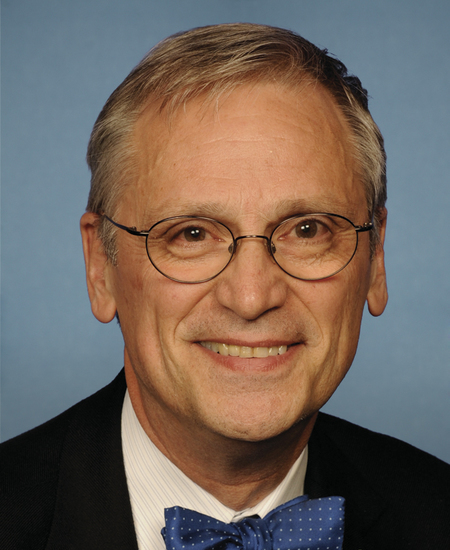
Rep. Earl Blumenauer
Sponsored bills
Air America Act of 2021 This bill establishes the service of Air America employees as qualifying service for purposes of the Civil Service Retirement System. (Air America was a government-owned airline that provided air transport for certain covert operations in Southeast Asia, including Laos and Vietnam, between 1950 and 1976.) The bill applies to U.S. citizens who were employees of Air America or another affiliated company, as specified, between January 1, 1950 and December 31, 1976. Benefit applications must be filed within two years of the date of enactment of this bill.
Mothers and Offspring Mortality and Morbidity Awareness Act or the MOMMA's Act This bill establishes various programs and requirements to reduce maternal mortality. It also increases federal tobacco taxes and equalizes the tax treatment of different tobacco products. Specifically, the Centers for Disease Control and Prevention (CDC) must provide technical assistance and best practices for collecting data, standardizing reporting, and preventing maternal mortality. The CDC must consult with the Health Resources and Services Administration (HRSA) on this assistance. The bill also provides statutory authority for CDC grants for state-based collaboratives to improve care immediately before and after birth and to improve maternal and infant health outcomes, and a HRSA program to improve the quality and safety of maternity care. Furthermore, the Department of Health and Human Services (HHS) must establish regional centers through health professional schools and training programs to educate health care providers about implicit bias and culturally competent care. In addition, the bill expands eligibility for Medicaid, the Children's Health Insurance Program (CHIP), and other benefits for pregnant and postpartum individuals. Specifically, it extends postpartum eligibility for Medicaid and CHIP for one year; provides coverage for oral health services for pregnant and postpartum individuals under Medicaid and CHIP; and extends postpartum eligibility for the Special Supplemental Nutrition Program for Women, Infants, and Children for two years. HHS must also take steps to publicize the benefits available to pregnant and postpartum individuals under Medicaid and CHIP, and the Centers for Medicare & Medicaid Services must provide guidance on Medicaid coverage for doula services.

Safe Drinking Water in Public Playgrounds, Parks, and Libraries Act This bill requires the Environmental Protection Agency to establish a grant program to provide assistance to states and municipalities for the replacement of drinking water fountains that were manufactured prior to 2014 and are located in certain playgrounds, parks, or libraries.
Diversifying by Investing in Educators and Students to Improve Outcomes For Youth Act or the Diversify Act This bill revises the Teacher Education Assistance for College and Higher Education (TEACH) grant program. The TEACH program awards grants to undergraduate and graduate students who commit to teaching in a high-need field and in an elementary or secondary school that serves low-income students. First, the bill raises the maximum amount for TEACH grants. Second, the bill allows TEACH grants to cover the full cost of attendance. Currently, these grants may be used only for tuition, fees, and on-campus housing. The bill allows teaching in a high-need early childhood education program to count toward service requirements for the program. Next, the bill eliminates the process for converting a TEACH grant to a loan if a recipient does not complete the requirements of the program. Further, the bill prohibits the Department of Education (ED) from instituting or creating a monetary penalty for failure or refusal to complete the service requirement. In addition, the bill requires ED to send an electronic certificate to grant recipients who have completed their service requirement. The bill also exempts the TEACH program from sequestration, which is a process of automatic, usually across-the-board spending reductions under which budgetary resources are permanently cancelled to enforce specific budget policy goals.
Opportunity To Address College Hunger Act This bill requires institutions of higher education (IHEs) that receive grants to operate work-study programs to notify a student receiving work-study assistance that the student may be eligible for participation in the Supplemental Nutrition Assistance Program (SNAP). The Department of Education must provide guidance to states and IHEs on how to identify and communicate with students who are potentially eligible for SNAP.
Midwives for Maximizing Optimal Maternity Services Act of 2021 or the Midwives for MOMS Act of 2021 This bill establishes grants within the Health Resources and Services Administration (HRSA) for establishing or expanding midwifery programs at institutions of higher education and nursing schools. HRSA may prioritize funding for institutions that focus on increasing the number of midwife professionals from underrepresented groups and that promote practicing in areas with limited access to professional health care.
This resolution condemns the acts of gun violence that led to the tragic loss of eight lives in Georgia on March 16, 2021.
Youth Workforce Readiness Act of 2021 This bill requires the Department of Labor to award grants to certain national youth-serving organizations for comprehensive workforce readiness programs provided to youth that take place before or after school, during summer vacation or holiday, or on the weekend (i.e., out-of-school-time programs). Such grants must be used to develop and implement youth workforce readiness programs, including for activities such as on-the-job and leadership opportunities, internships, and other supportive services. The bill also requires local workforce development boards to establish youth councils as subgroups of the boards.
Real Education and Access for Healthy Youth Act of 2021 This bill requires the Department of Health and Human Services (HHS) to establish grants to support sex education and sexual health services for young people (ages 10 through 29) and repeals requirements that apply to certain federally funded sex education programs. HHS must award grants, in coordination with the Department of Education, to (1) provide sex education to young people through elementary and secondary schools, institutions of higher education, and youth-serving organizations; and (2) train education professionals to effectively teach, and otherwise support, sex education. Sex education refers to high quality teaching and learning that follows, to the maximum extent practicable, specified educational standards; covers a variety of topics concerning sex and sexuality; explores values and beliefs about those topics; and helps young people gain skills to navigate relationships and manage sexual health. Additionally, HHS must award grants for the provision of sexual health services to marginalized youth to youth-serving organizations and health care entities that are eligible to receive covered outpatient drugs at reduced prices through the 340B drug discount program. Recipients of any of these grants must comply with certain nondiscrimination requirements. In addition, they may not use funds for sex education programs or sexual health services that provide incomplete or inaccurate medical information or fail to address specified issues. The bill also eliminates prohibitions regarding the content of specified federally funded sexual health education and information programs and repeals the Abstinence Only Until Marriage program.