

Maddy summaryThis bill establishes a federal grant program to support accredited zoos, aquariums, and wildlife facilities caring for threatened and endangered species. It creates a "Wildlife Confiscations Network" to coordinate federal law enforcement with qualified facilities handling seized animals (like those from illegal trade), and authorizes a new permit under the Endangered Species Act to streamline rescue, rehabilitation, and reintroduction efforts. Facilities must meet standards for animal care, comply with the Animal Welfare Act, and use grants for specific costs like veterinary care, transportation, and reintroduction - capping federal funding at $1 million per facility annually (except during emergencies). The program directly affects accredited wildlife facilities, federal agencies (like USFWS), and law enforcement, aiming to standardize and fund conservation efforts for species under the Endangered Species Act.
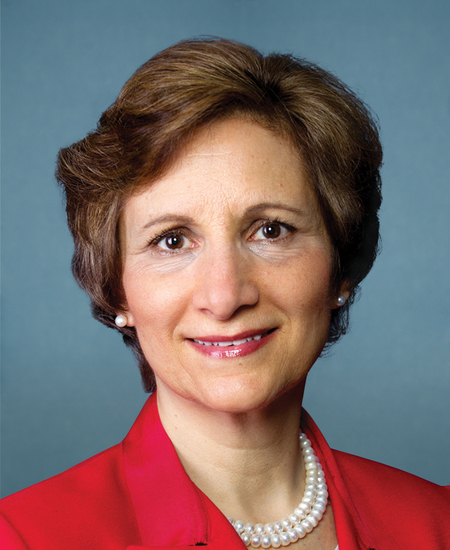
Rep. Suzanne Bonamici
Sponsored bills
Maddy summaryHRES 1135 is a non-binding resolution supporting the "Rise Up for LGBTQI+ Youth in Schools" initiative. It calls for communities to demand equal educational opportunities, civil rights protections, and an end to exclusion for LGBTQI+ students in K-12 schools, particularly transgender, nonbinary, Black, Indigenous, and disabled youth. The resolution encourages states and school districts to adopt policies prohibiting bias-based bullying, harassment, and erasure - such as inclusive sports participation, bathroom access, and curriculum inclusion - without creating new legal requirements. It references growing state-level restrictions targeting LGBTQI+ students, including sports bans and curriculum censorship, as context for the call to action. The resolution itself does not enact new laws but formally recognizes efforts to foster safer, affirming school environments.
Closing the Digital Divide for Students Act of 2024 This bill expands the public housing utility allowance for households with children who qualify for free and reduced price school lunch to include the cost of high-speed internet service, including the cost of renting or purchasing equipment necessary to access such service and a one-time installation fee.
Maddy summary# Summary of Proposed WIOA Amendment This document proposes significant amendments to the Workforce Innovation and Opportunity Act (WIOA), with key changes including: 1. **YouthBuild Program Enhancement**: - Increased annual funding authorization to $108,150,000 - New performance reporting requirements - Added focus on opioid-related training and services 2. **New Reentry Employment Opportunities Program** (Section 172): - Creates a competitive grant program for justice-involved individuals - Requires evidence-based practices and performance metrics - Includes specific requirements for recidivism reduction - Defines "eligible adult" (age 25+) and "eligible youth" (age 14-24) 3. **Strengthening Community Colleges Program** (Section 173): - Creates new grant program with $65,000,000 annual funding - Requires industry partnerships for workforce development - Mandates evidence-based program design - Focuses on recognized postsecondary credentials and career pathways 4. **Performance Accountability System**: - Enhanced data collection and reporting requirements - New requirement for making data available in "linked, open, and interoperable data formats" - More detailed performance metrics for all programs 5. **Funding Increases**: - Increased authorizations for multiple programs: - Native American programs: $61,800,000 annually - Migrant and seasonal farmworker programs: $100,317,900 annually - Technical assistance: $5,000,000 annually - Evaluations and research: $12,720,000 annually 6. **Administrative Changes**: - New consultation requirement with labor organizations for on-the-job training - Revised definitions (e.g., "English language learners" changed to "English learners") - New requirements for public reporting of matching funds 7. **Data Infrastructure**: - New "Workforce Data Infrastructure" provisions (Section 174) - Requirements for interoperable data systems - Focus on credential registries and data sharing The proposed amendment emphasizes data-driven decision making, industry-aligned training, performance accountability, and expanded opportunities for underserved populations including justice-involved individuals, opioid treatment participants, and individuals with barriers to employment.
Maddy summaryThe STAGE Act establishes a federal grant program to support professional nonprofit theaters. Eligible theaters (nonprofits producing live performances with fair wages, 3+ years of programming, and financial need or community focus) can receive grants covering payroll, facility repairs (prioritizing accessibility), marketing, and workforce training. Grants max out at $16 million per entity or 20% of its prior year's expenses, with $1 billion annually allocated for 2024-2028. The bill also mandates a federal study on sustaining the nonprofit arts sector, including input from artists and community stakeholders.
Maddy summaryHR 7862 directs federal agencies to annually report on converting unused government-owned buildings into affordable housing. It establishes two grant programs: a $1.75 million annual grant for exploring office-to-residential conversions, and a $250 million annual program for states and local governments to convert underutilized public buildings into rental housing. The state/local program requires converted housing to maintain affordability for 30 years, with at least 20% of units reserved for households earning ≤50% of local median income, or 40% for households ≤60% of median income. This bill directly affects federal agencies (through reporting) and state/local governments (through grant funding), focusing on repurposing vacant public property to expand affordable housing options.
Maddy summaryHCONRES 102 is a non-binding symbolic resolution supporting International Transgender Day of Visibility, introduced by multiple House members. It formally encourages the U.S. to observe the day with ceremonies and programs, celebrates transgender community achievements, and recognizes their ongoing fight for equality amid documented discrimination in employment, healthcare, housing, and public spaces. The resolution highlights transgender representation in politics (including 21 state legislators) and historical context, while acknowledging rising anti-transgender legislation. It directly affirms the transgender community's visibility and rights without creating new policies or funding.
Maddy summaryThe Pink Tax Repeal Act prohibits businesses from charging different prices for substantially similar consumer products or services based on the gender of the intended users. It defines "substantially similar" as having no meaningful differences in materials, use, or design - meaning color alone (e.g., pink vs. blue packaging) cannot justify price differences. The Federal Trade Commission would enforce this under existing laws, and state attorneys general could also sue companies for violations on behalf of residents. This directly affects consumers who pay higher prices for identical or nearly identical items marketed to a specific gender, such as women’s razors or clothing.
Maddy summaryThis bill establishes a federal committee composed of agency heads from Education, Justice, Consumer Financial Protection, and other departments to coordinate oversight of for-profit colleges. The committee will share data across agencies, create a centralized complaint system for students, and publish an annual report with detailed data on for-profit institutions' finances, student outcomes, and complaints. It also creates a "For-Profit College Warning List" that identifies institutions with serious issues like fraud or misrepresentation, providing plain-language summaries for parents and students. The bill directly affects for-profit colleges, their students, and the federal agencies that oversee higher education programs.
Maddy summaryThe AADAPT Act reauthorizes and expands the Project ECHO grant program to specifically address Alzheimer's disease and dementia care. It provides $1 million annually (2026-2031) for grants to eligible health care entities - such as rural clinics, tribal organizations, or community health centers - to develop online training programs for primary care providers working in underserved areas (including rural, frontier, or medically underserved communities). These programs aim to improve provider retention, increase early diagnosis of dementia, and enhance quality care. The bill requires grantees to report on outcomes and ensures funding supplements, rather than replaces, existing resources.