

Maddy summaryHR 9821, the Forage Fish Conservation Act of 2024, amends the Magnuson-Stevens Fishery Conservation Act to establish a national definition for "forage fish" (small, schooling species like herring that support marine predators) and require fisheries management to protect their ecological role. It mandates that fishery councils assess annual catch limits based on the dietary needs of predators (such as tuna and marine mammals) and develop management plans for unmanaged forage fish species. The bill specifically directs immediate action to include river herring and shad in Atlantic fisheries management plans within 180 days. Implementation timelines include a 12-month definition deadline and 5-year phase-in for catch limit adjustments.
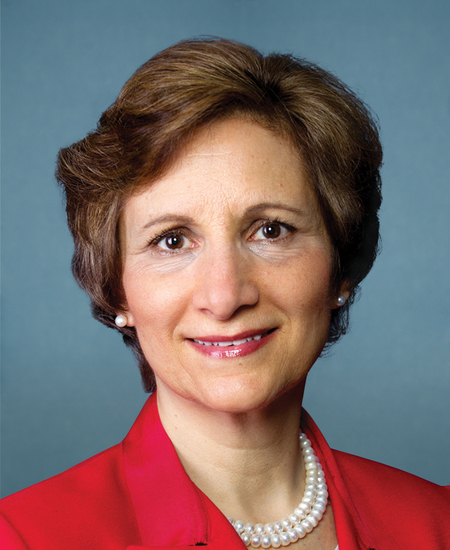
Rep. Suzanne Bonamici
Sponsored bills
Maddy summaryThis bill creates grants to cover free transportation (including first and last mile services) to substance use disorder treatment or supportive services for people experiencing homelessness, living in low-income communities, or facing transportation barriers to care. Eligible entities like nonprofits, health centers, and government agencies can use funds for on-demand or scheduled rides, vehicle purchases, staff training, and outreach. Grants cannot fund involuntary treatment transport or involve law enforcement, and must supplement - never replace - existing local funding. Grantees must report on reducing missed appointments and track performance measures.
Maddy summaryThis bill creates two programs to support early childhood educators. The first provides loan repayment assistance (up to $6,000 annually) for educators who work 5 years at qualifying childcare providers (like centers receiving federal child care vouchers). The second offers grants ($4,000 per academic year) to students in early childhood education programs, requiring them to work in licensed early learning settings for at least one year per grant year. Both programs require service commitments, with failure to comply treated as a loan requiring repayment under specific income-based terms. The programs directly affect early childhood educators, students pursuing relevant degrees, and childcare providers participating in federal child care programs.
Maddy summaryThis bill establishes a Department of Energy artificial intelligence research program with $300 million in annual funding for fiscal years 2025-2030. The program will fund research on energy-efficient AI systems, data center optimization, and AI applications for energy, science, and national security challenges. It requires the Department to develop AI testbeds, improve data center energy efficiency, establish AI research institutes, and support workforce development in AI. The bill also mandates a report on data center energy security risks and recommendations for improving energy efficiency in computing infrastructure. This program directly affects the Department of Energy, National Laboratories, research institutions, and private sector partners collaborating on AI development.
Maddy summaryHR 1719, the Honoring Our Fallen Heroes Act of 2023, establishes a presumption that certain cancers diagnosed in public safety officers (like police and firefighters) are work-related if linked to their duties. It defines 22 specific cancers (including lung, mesothelioma, and WTC-related cancers) as "exposure-related," allowing officers or their families to receive benefits without proving direct work connection, provided they were diagnosed within 15 years of leaving active service. The bill also creates a process for adding new cancers to the list based on scientific evidence, requiring the Bureau to review petitions and make decisions within 180 days. This applies to deaths or disabilities occurring on or after January 1, 2023, directly affecting officers who developed covered cancers during service.
Maddy summaryHCONRES 130 is a symbolic concurrent resolution commending state and local governments that treat reproductive rights as human rights following the *Dobbs* decision. It recognizes efforts by cities like Austin, Texas, and Montgomery County, Maryland, to expand abortion access and condemn criminalization of pregnancy outcomes. The resolution affirms that reproductive rights are human rights, urges states to repeal restrictive laws, and references U.S. obligations under international human rights treaties. As a non-binding resolution, it does not create new laws or alter existing policies.
Maddy summaryHRES 1496 is a resolution supporting the designation of October 23, 2024, as "National Marine Sanctuary Day." It aims to raise public awareness about the National Marine Sanctuary System, which protects ocean, coastal, and Great Lakes areas. The resolution encourages community engagement with these protected sites and acknowledges their role in conserving biodiversity, supporting local economies, and providing recreational opportunities. As a non-binding resolution, it does not create new laws but formally recognizes the importance of marine sanctuaries.
Maddy summaryHRES 1499 is a symbolic resolution expressing concern about rising book bans in U.S. schools and libraries, citing PEN America data showing over 10,000 individual book bans in public schools between July 2023 and June 2024 - more than double the previous year. It highlights how bans disproportionately target books featuring LGBTQ+ themes, racial history, and marginalized voices (like *The Handmaid’s Tale*, *Maus*, and *Fry Bread*), while emphasizing students’ First Amendment rights to access diverse materials. The resolution calls on school districts and libraries to follow established best practices for handling book challenges and to protect students’ right to read widely, including works reflecting diverse perspectives. As a non-binding resolution, it does not create new law but urges local education entities to uphold free expression.
Maddy summaryThe ASCEND Act establishes a formal program for NASA to purchase commercial satellite data for Earth science research, climate monitoring, and applications. It requires NASA to create transparent procurement processes, publish vendor agreements annually, and ensure data can be used by researchers and other federal agencies without restrictions. The bill directly affects NASA, commercial satellite vendors, and federally funded researchers who gain easier access to Earth observation data. Key provisions include mandatory annual reports to Congress on vendor contracts and how the data supports scientific goals, building on NASA’s existing 2019 pilot program.
Maddy summaryHR 3433, the "Give Kids a Chance Act of 2024," requires pharmaceutical companies developing certain cancer drugs to conduct pediatric studies if the drugs target molecular pathways relevant to childhood cancers. It directly affects drug manufacturers submitting new applications for cancer treatments, particularly those combining previously approved adult cancer drugs or containing a single new active ingredient. The bill amends FDA regulations to mandate these pediatric investigations only when specific conditions are met, such as when a drug's molecular target is relevant to pediatric cancer growth. The FDA must issue implementing guidance within 12 months, and reports to Congress will track implementation and effectiveness starting 2 years after enactment.