

Maddy summaryHRES 1594 is a symbolic House resolution supporting the designation of "National Rural Health Day," observed annually on the third Thursday of November. It recognizes rural health care providers and the communities they serve, highlighting challenges like hospital closures, workforce shortages, and access barriers in rural areas. The resolution expresses the House's commitment to improving rural health care accessibility and affordability but does not create new laws or allocate funding. It is a non-binding gesture aligning with an existing observance since 2011, organized by the National Rural Health Association.
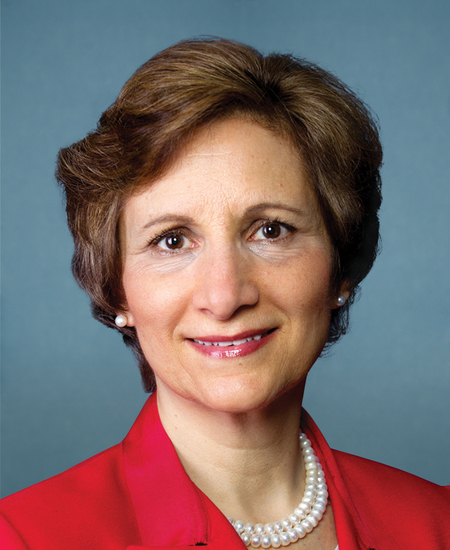
Rep. Suzanne Bonamici
Sponsored bills
Maddy summaryHRES 1588 is a House resolution supporting Transgender Day of Remembrance (TDoR) by recognizing the epidemic of violence against transgender people and memorializing those killed between October 1, 2023, and September 30, 2024. It specifically honors 38 transgender or gender-nonconforming individuals whose lives were lost to violence during that period, highlighting that transgender women of color face disproportionate risks. The resolution acknowledges systemic issues like underreporting, barriers to healthcare, and higher rates of homelessness and suicide within the community. It calls for the U.S. government to prioritize solutions to this violence while affirming transgender people's right to dignity and safety. As a symbolic resolution, it does not create new laws or policies but formally recognizes these issues for congressional record.
Maddy summaryThe Zero-Emission Vessel Innovation Act establishes a $1 billion annual fund (2025-2034) to support research, development, and deployment of zero-emission vessels and their infrastructure, such as charging stations for electric ships or clean fuel systems. Eligible entities - including vessel operators, manufacturers, ports, and research institutions - can apply for grants, low-interest loans, or loan guarantees to cover costs for projects meeting specific priorities like reducing costs, improving environmental justice, and training workers. The program requires prioritizing projects with additional environmental benefits (e.g., reduced underwater noise) and mandates annual public reporting on funded projects. An advisory committee of industry, labor, and environmental experts will guide the program and assess progress toward clean shipping technology goals.
Maddy summaryHRES 1581 is a symbolic resolution expressing congressional support for designating November 2024 as "Prematurity Awareness Month." It highlights the U.S. maternal and infant health crisis, including higher preterm birth rates and disparities affecting Black and Native American women and their infants. The resolution urges Americans, communities, and organizations to observe the month through events and education focused on preterm birth prevention. It does not create new laws or funding but aims to raise public awareness about this health issue, which contributes to infant mortality and costs an estimated $25.2 billion annually.
Maddy summaryThe American Renewable Energy Act of 2024 establishes a national standard requiring large electricity suppliers to generate increasing percentages of renewable electricity, from 20% in 2025 up to 70% by 2034. It mandates that 15-20% of required renewable energy credits must come from distributed generation (small-scale projects under 1 megawatt) and from projects in "impacted communities" - communities disproportionately affected by pollution and environmental injustice. Retail electricity suppliers can meet requirements through renewable energy credits or pay a $50 annual compliance fee (adjusted for inflation), with funds from these fees required to support renewable energy deployment, storage, and energy efficiency programs, ensuring at least 50% of benefits reach impacted communities. The law creates a national credit system while preserving existing state renewable energy programs and preventing double-counting of renewable energy credits.
Maddy summaryThis resolution (HRES 1558) is a symbolic House of Representatives measure supporting October as "National Domestic Violence Awareness Month." It does not create new laws or allocate funding but formally expresses the House's support for raising awareness about domestic violence and its impacts, and urges continued backing for existing programs that address domestic violence. The resolution cites statistics on domestic violence prevalence (e.g., 24 people per minute affected by intimate partner violence) to underscore the importance of the observance. It directly affects public awareness efforts but does not change policies or directly impact individuals.
Maddy summaryThis bill requires federal agencies that use or fund complex computer systems (like AI or machine learning algorithms) affecting government programs, economic opportunities, or protected rights to establish civil rights offices focused on algorithmic bias. These offices must submit detailed biennial reports to Congress on algorithm risks, mitigation steps, stakeholder engagement, and policy recommendations. The law also mandates an interagency working group under the Justice Department to coordinate efforts across agencies. It applies only to covered federal agencies, not private companies, and focuses on creating new reporting requirements rather than directly changing how algorithms operate.
Maddy summaryThis bill modifies how disability benefits are treated for homeless disabled veterans seeking housing assistance. It excludes certain disability payments (under Chapter 11 or 15 of Title 38, U.S. Code) from income calculations when determining eligibility for HUD-assisted housing programs, including the supported housing program under Section 8(o)(19) and housing on Department property. Specifically, it ensures these benefits are not counted toward income for housing eligibility, though they still count for "adjusted income" definitions. The bill directly affects disabled veterans applying for HUD housing assistance who receive these specific disability benefits. It makes a concrete change to income calculation rules without altering benefit amounts or creating new funding.
Maddy summaryHRES 1552 is a symbolic House resolution expressing support for recognizing October 26, 2024, as Intersex Awareness Day. It encourages federal, state, and local governments, schools, healthcare providers, and organizations to observe the day through educational programs and activities that celebrate intersex identity and promote awareness. The resolution specifically urges healthcare systems to provide culturally competent care for intersex individuals and schools to incorporate education about intersex diversity. It does not create new laws or policies but aligns with existing federal actions recognizing intersex rights and health equity. The resolution directly supports the intersex community and aims to foster greater public understanding of their experiences.
Maddy summaryThe VA Employee Fairness Act of 2024 modifies collective bargaining rules for employees of the Veterans Health Administration (VHA). It removes existing subsections (b), (c), and (d) from the law governing VHA employee bargaining and renumbers the remaining provision. This change streamlines the collective bargaining framework but does not alter the Secretary of Veterans Affairs' existing authorities over incentive pay and expedited hiring. The bill directly affects VHA employees by changing how their collective bargaining rights are structured under federal law. The law remains neutral, focusing solely on procedural adjustments to the existing bargaining framework.