

Saving Our Veterans Lives Act of 2025 This bill requires the Department of Veterans Affairs (VA) to implement a program to provide, upon request, a firearm lockbox (or voucher for such item) to eligible individuals. Currently, there is a pilot program under which certain veterans may be prescribed a lockbox by a VA clinician. The VA must also provide information with respect to the benefits of and options for secure firearm storage. The VA must develop an informational video on the secure storage of firearms as a suicide prevention strategy and publish the video on its website. Additionally, the VA must publish information to inform individuals who participate in the lockbox program that such lockboxes are not for resale. The VA must also implement a public education campaign to educate eligible individuals about the availability of lockboxes under the program and that participation in the program does not affect the rights of an individual with respect to the lawful ownership of a firearm.
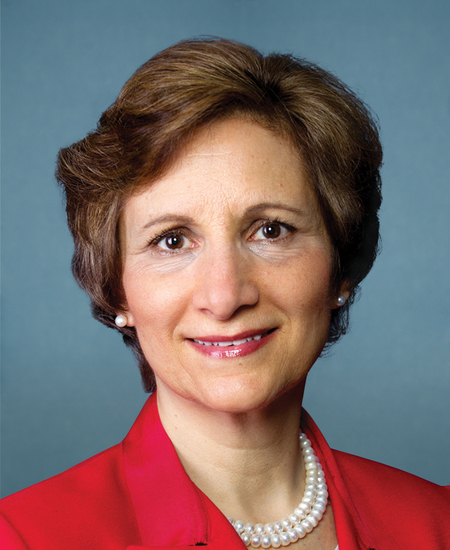
Rep. Suzanne Bonamici
Sponsored bills
Maddy summaryHRES 401 is a non-binding resolution recognizing the 60th anniversary of SkillsUSA, a national organization focused on career and technical education (CTE). It does not create new laws or funding but formally acknowledges SkillsUSA’s role in preparing students for skilled careers through CTE programs. The resolution encourages stakeholders - including students, educators, and employers - to support SkillsUSA’s mission of closing the skills gap and strengthening the workforce. This ceremonial resolution has no direct policy impact, as it solely expresses congressional recognition of the organization’s work.
Maddy summaryHR 3273, the Child Care Workforce Development Act, provides financial support to early childhood educators and students. It establishes a loan repayment program where educators serving 5 years with qualified childcare providers (like centers receiving Child Care Block Grant funds) can have up to $6,000 annually of their student loans repaid. Additionally, it creates grants of up to $4,000 per academic year for students enrolled in early childhood education programs, requiring them to work in licensed childcare settings for at least one year after graduation (with renewal options). The bill authorizes $25 million annually for loan repayment (2026-2031) and $10 million annually for grants (2026-2030), targeting workforce development in childcare.
Maddy summaryHR 3277, the Ensuring Lasting Smiles Act, requires group health plans and health insurance issuers to cover medically necessary outpatient and inpatient treatments for congenital anomalies or birth defects primarily affecting the eyes, ears, teeth, mouth, or jaw. This includes reconstructive procedures, dental/orthodontic support during treatment, and follow-up care, but excludes purely cosmetic surgery not tied to a medical diagnosis. Cost-sharing (like copays) for these services must not be stricter than for other medical benefits. The law takes effect for plan years beginning January 1, 2026, and mandates insurers to provide notice about this coverage to beneficiaries.
Maddy summaryThe Child Care Infrastructure Act (HR 3274) allocates $10 billion to improve safety and infrastructure at child care facilities, primarily benefiting providers serving low-income families, infants/toddlers, rural communities, and nontraditional-hour programs. It requires states to conduct needs assessments (including pandemic impacts on capacity and costs) and use grants for facility renovations, construction, or safety upgrades, with a 10% state match requirement. Intermediary organizations, such as community development groups, can also receive grants to provide technical assistance and financing for child care facilities. The bill mandates prevailing wage standards for construction work and requires annual reports on how improvements affect access, quality, and pandemic-related challenges, with final outcomes due by 2030.
Maddy summaryThis bill prohibits corporal punishment in schools receiving federal funding, defining it as any physical force causing pain for discipline. It requires schools to notify parents within 24 hours of any corporal punishment incident and mandates states to submit school climate reports detailing efforts to reduce exclusionary discipline practices like suspensions and expulsions. The bill establishes a grant program to help schools implement positive behavioral interventions, such as restorative justice and trauma-informed care, while requiring staff training on these approaches. The bill applies to public schools and other schools receiving federal funds but does not affect private schools or home schools that don't receive federal funding.
Maddy summaryHR 3243, the Therapeutic Fraud Prevention Act of 2025, bans the provision of paid conversion therapy aimed at changing a person's sexual orientation or gender identity, and prohibits advertising such therapy as effective, safe, or without risk. It directly affects LGBTQ+ individuals and their families who might be targeted by these practices, as professionals have determined conversion therapy is ineffective and harmful. The law treats violations as deceptive acts under consumer protection laws, empowering the Federal Trade Commission and state attorneys general to enforce it through civil actions. It explicitly excludes legitimate gender transition support and non-discriminatory counseling from the ban.
Maddy summaryThis resolution (HRES 394) expresses congressional support for designating July 16, 2025, as "Glioblastoma Awareness Day." It aims to raise public awareness about glioblastoma, a highly aggressive and deadly brain cancer with a 6.9% 5-year survival rate. The resolution encourages greater attention to the disease's urgent unmet medical needs and supports research efforts, including the Glioblastoma Therapeutics Network. It directly affects patients, caregivers, and researchers by promoting recognition of the disease and urging collaborative efforts to improve treatments.
Maddy summaryThis resolution (HRES 389) formally supports observing National Nurses Week from May 6-12, 2025, as established by the American Nurses Association. It recognizes nurses’ contributions to healthcare, including their roles as frontline caregivers, patient advocates, and leaders in public health. The resolution encourages the public to acknowledge nurses’ work through recognition and community activities but does not create new policies or funding. It is a symbolic gesture, not a legislative change affecting any specific group or program.
Maddy summaryHR 3184, the PFAS Alternatives Act, funds research to develop turnout gear (firefighter safety clothing) without harmful PFAS chemicals, directly affecting firefighters who wear this gear. It authorizes $25 million annually (2025-2029) for grants to eligible organizations to research and test PFAS-free gear, requiring partnerships with firefighting groups to translate findings into practice. The bill also allocates $2 million yearly (2027-2031) for training programs on safe gear use and decontamination. Its goal is to reduce firefighters' exposure to chemicals linked to occupational illnesses during operations.