

Chronic Wasting Disease Research and Management Act This bill directs the Department of Agriculture (USDA) to address chronic wasting disease afflicting deer, elk, and moose populations. Specifically, the bill directs USDA to establish a program to research and manage the disease. Under the program, USDA must offer to enter into agreements with state or tribal wildlife agencies and departments of agriculture, institutions of higher education, and research centers to support research on the transmission of, resistance to, and diagnosis of the disease. In addition, USDA must offer to enter into agreements with such agencies and departments to support state and tribal efforts to develop and implement management strategies that address the disease. USDA must also develop and maintain materials to inform the public on chronic wasting disease and techniques to help prevent the spread of the disease. In addition, USDA must solicit public feedback on potential updates and improvements to standards of the chronic wasting disease herd certification program.
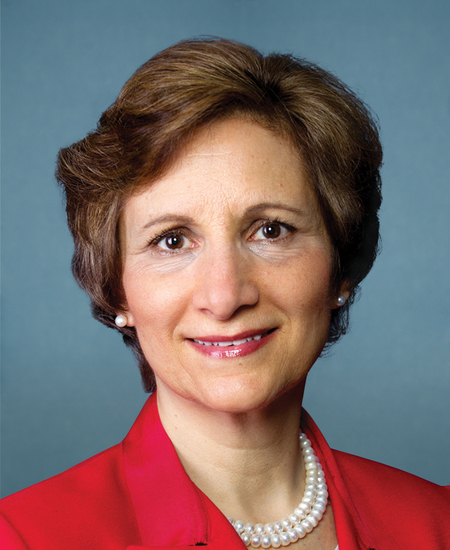
Rep. Suzanne Bonamici
Sponsored bills
Indian Buffalo Management Act This bill establishes a permanent program within the Department of the Interior to develop and promote tribal ownership and management of buffalo and buffalo habitat on Indian lands. Specifically, the bill requires Interior to (1) enter into contracts, award grants, and provide technical assistance to Indian tribes and tribal organizations for activities related to buffalo restoration or management; (2) consult with tribes and tribal organizations on initiatives that affect buffalo or buffalo habitat, including efforts to contain or eradicate diseased buffalo; and (3) develop a policy relating to buffalo and buffalo habitat management activities on Indian land. Additionally, Interior may enter into agreements with tribes or tribal organizations to transport surplus buffalo from federal land onto Indian land.
High Rise Fire Sprinkler Incentive Act of 2021 This bill classifies any automatic fire sprinkler system retrofit property as 15-year property for purposes of accelerated depreciation.
Radiation Exposure Compensation Act Amendments of 2021 This bill expands two programs that compensate individuals who were exposed to radiation during certain nuclear testing or uranium mining and subsequently developed medical conditions, including cancers. First, the bill expands and extends a program that compensates individuals who were exposed to radiation from atmospheric nuclear testing or other sources and subsequently developed specified cancers. Under current law, this program compensates individuals who were present in a designated geographic area during a period of nuclear testing and certain individuals employed in uranium mining. The bill expands the designated areas to include Colorado, Idaho, Montana, New Mexico, and Guam and additional areas in Arizona, Nevada, and Utah; makes more individuals who worked in uranium mining eligible for the program; increases the amount of compensation awarded to and provides medical benefits for eligible claimants; and extends for 19 years following the bill's enactment the fund that supports this program and the statute of limitations for filing claims (currently, the program terminates on July 10, 2022). Second, the bill makes certain individuals employed in uranium mines or mills eligible for a program that compensates workers, including Department of Energy employees and contractors, for illnesses caused by occupational exposure to radiation and hazardous substances during development and testing of the nation's nuclear weapons stockpile. The bill also establishes a grant program in the National Institute of Environmental Health Sciences for institutions of higher education to study the epidemiological impacts of uranium mining and milling among individuals without occupational exposure.
Allied Health Workforce Diversity Act of 2021 This bill allows the Department of Health and Human Services to provide grants to accredited education programs to increase diversity in the physical therapy, occupational therapy, respiratory therapy, audiology, and speech-language pathology professions. Grants may be used to provide scholarships or to support recruitment and retention of students from underrepresented groups.
Employee Retention Tax Credit Reinstatement Act This bill provides for a reinstatement of the employee retention tax credit through 2021. The credit was established to compensate employers whose businesses were negatively impacted by the COVID-19 pandemic for wages paid to their employees.
Our Lawn Act This bill prohibits certain political events from being held on federal property. Specifically, the bill explicitly prohibits conventions of national political parties and fundraising events for congressional, presidential, and vice-presidential candidates from being held on or in any federal property, including the White House and surrounding grounds. Violations are subject to civil penalties, imprisonment, or both.
Strength in Diversity Act of 2021 This bill establishes a program through which the Department of Education may award planning and implementation grants to specified educational agencies (e.g., local educational agencies) to improve diversity and reduce or eliminate racial or socioeconomic isolation in publicly funded early childhood education programs, public elementary schools, or public secondary schools.
Equity and Inclusion Enforcement Act of 2021 This bill authorizes private civil causes of action for disparate impact violations (to the same extent as intentional violations) of Title VI of the Civil Rights Act of 1964, which prohibits discrimination based on race, color, or national origin in federally funded programs or activities. Education programs that receive financial assistance authorized or extended by the Department of Education (ED) must designate at least one Title VI compliance coordinator to carry out responsibilities, investigate complaints, and provide assistance to ensure students and employees are aware of their rights and responsibilities. The bill requires ED to appoint a Special Assistant for Equity and Inclusion to (1) promote, coordinate, and evaluate efforts to engender program compliance and inform individuals of their rights; and (2) advise ED on matters relating to compliance.
Aviation Noise and Emissions Mitigation Act This bill requires the Environmental Protection Agency to establish pilot grant programs to measure and mitigate aircraft and airport noise and emissions (e.g., greenhouse gases and toxic pollutants) in communities near airports and air flight pathways.