

Maddy summaryHR 3850, the Pride In Mental Health Act of 2023, establishes a federal grant program to improve mental health and substance abuse services for LGBTQ+ youth (including nonbinary, intersex, and Two Spirit individuals). The bill directs the Health and Human Services Secretary to fund eligible organizations to provide trauma-informed care, cultural competency training for caregivers, school bullying prevention guidelines, and family support resources. It explicitly prohibits grant funds from being used for conversion therapy or advertising related to such therapy. The bill also requires data collection on LGBTQ+ youth mental health and a federal survey to measure psychological distress.
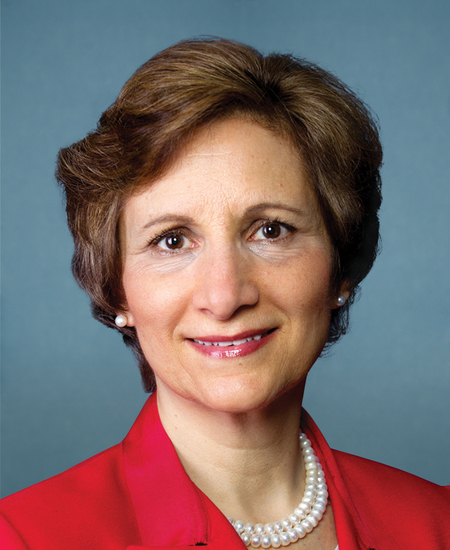
Rep. Suzanne Bonamici
Sponsored bills
Maddy summaryHR 3860, the Humane Correctional Health Care Act, removes the exclusion that previously prevented incarcerated individuals under 65 from receiving Medicaid or CHIP health care coverage. The bill amends the Social Security Act to allow states to provide Medicaid, CHIP, or pregnancy-related assistance to incarcerated people starting January 1, 2024. It requires the Comptroller General to report annually on health care access, quality, and outcomes for incarcerated people, including post-release enrollment in community health programs. The legislation also states Congress' view that incarceration should not be used to provide health care unavailable in communities, and federal funds should not replace community-based health investments. This is a policy change directly affecting incarcerated individuals' health care eligibility and state program administration.
Maddy summaryHRES 483 is a symbolic resolution recognizing June 2023 as "Immigrant Heritage Month" to celebrate immigrants and their children for their contributions to U.S. health, safety, diversity, and prosperity. It highlights immigrants' roles in critical sectors like healthcare (including 27% of physicians) and the economy (e.g., 44% of Fortune 500 companies founded by immigrants or their descendants). The resolution urges the House to celebrate immigrant contributions, welcome immigrants, and work toward "smart and just immigration policy." As a non-binding resolution, it does not change laws but formally acknowledges immigrants' historical and ongoing impact on U.S. society.
Maddy summaryThe American Family Act establishes a monthly child tax credit of $250 per month for each child under age 6 and $300 per month for each child aged 6-18, with income limits of $150,000 for joint filers and $112,500 for other filers. The credit is refundable, meaning it can be paid even if the taxpayer owes no income tax, and will be adjusted annually for inflation. The bill includes detailed rules for determining eligibility, including requirements that the child resides with the taxpayer for more than half the month and provisions to prevent fraud through recapture of improperly received payments. The credit will be paid monthly in advance rather than as a single annual payment, with specific mechanisms for calculating and distributing the payments.
Maddy summaryHR 3873 establishes "Ocean Innovation Clusters" in coastal and Great Lakes regions to foster collaboration among businesses, academic institutions, and government entities for sustainable ocean-related industries (the "Blue Economy"). The bill designates at least seven clusters, prioritizing those serving diverse, underserved communities and promoting economic resilience in areas like fishing, tourism, and renewable energy. It authorizes $50 million annually (2024-2029) for grants to support cluster operations and build physical collaboration centers focused on workforce development, sustainable seafood supply chains, and ocean energy innovation. These clusters aim to create jobs and support small businesses through shared resources, partnerships, and targeted economic growth initiatives.
Maddy summaryThe Urban Indian Health Confer Act (HR 630) requires federal health agencies, including the Indian Health Service, to consult with urban Indian organizations when implementing health care programs for Native Americans. It amends the Indian Health Care Improvement Act to mandate that the Secretary of Health and Human Services must confer with these organizations to the maximum extent practicable. This directly affects urban Indian organizations - which provide health services to American Indians and Alaska Natives in cities - and federal agencies managing Indian health care. The key provision is a procedural requirement for collaboration, ensuring urban Native communities' input in health care planning without creating new funding or services.
Maddy summaryH.Res. 460 is a non-binding resolution expressing the House of Representatives' support for Congress to enact the Older Americans Bill of Rights. This resolution does not create new laws but calls for a proposed bill that would establish specific rights for older Americans, including access to affordable health care, financial security, and community participation. It highlights challenges like high prescription drug costs, retirement insecurity, and barriers to care, urging Congress to address these through legislative action. The resolution directly affects older Americans (ages 65+) and their families by advocating for policy changes to ensure dignity and independence.
Maddy summaryHR 3768, the Midwives for MOMS Act of 2023, provides federal grants to support midwifery education and increase access to midwifery services. It allocates $15 million annually (2024-2028) for accredited midwifery schools to directly support students, expand programs, and train clinical instructors, with 50% of funds dedicated to student support. The bill also authorizes $20 million annually for nurse-midwifery programs in nursing schools, prioritizing students who will work in underserved health professional shortage areas and increasing racial/ethnic minority representation. These provisions directly affect midwifery students, educational institutions, and communities with limited access to maternity care, aiming to expand the midwifery workforce through targeted funding.
Maddy summaryThis House resolution symbolically recognizes May as Jewish American Heritage Month, celebrating Jewish Americans' historical contributions to U.S. society and culture. It references rising antisemitism in 2022 (including ADL data showing a 36% increase in incidents) and includes a non-binding call for leaders to combat antisemitism. As a purely symbolic resolution, it does not create new policies or legal requirements.
Maddy summaryThe Universal School Meals Program Act of 2023 would establish a universal school meals program providing free breakfast and lunch to all children enrolled in participating schools, regardless of family income. Key provisions include eliminating income-based eligibility requirements for school breakfast and lunch programs, setting specific reimbursement rates ($2.80 for breakfast and $4.63 for lunch with annual inflation adjustments), and prohibiting schools from collecting debt for unpaid meals or "shaming" students. The bill also replaces references to "free or reduced price" with "economically disadvantaged students" in related laws and establishes new methods for identifying children from low-income backgrounds. This legislation would directly affect all public schools participating in the National School Lunch Program and School Breakfast Program.