

Maddy summaryThe CLEANER Act of 2023 requires the Environmental Protection Agency (EPA) to evaluate within one year of enactment whether waste from oil, gas, and geothermal energy production - such as drilling fluids and produced waters - is hazardous. If determined hazardous, these wastes must be listed and regulated under existing hazardous waste rules, with potential modifications to address their unique properties while ensuring health and environmental protection. For non-hazardous waste from these sources, the EPA must establish new facility requirements, including groundwater monitoring, location standards, and financial assurance for cleanup. This bill directly affects oil, gas, and geothermal energy producers and facilities handling such waste.
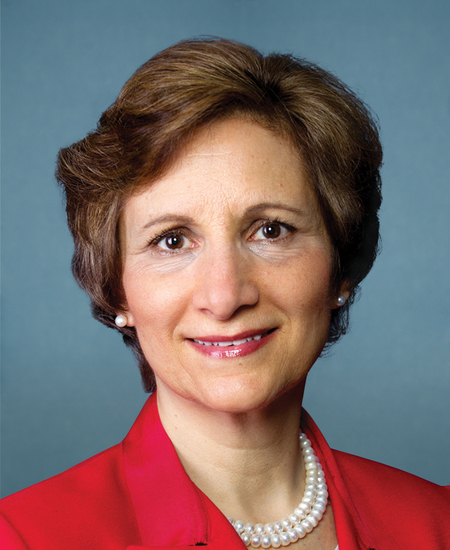
Rep. Suzanne Bonamici
Sponsored bills
Maddy summaryHR 4811 requires oil, gas, and geothermal companies conducting hydraulic fracturing (fracking) operations to test nearby underground drinking water sources before, during, and after activities. It mandates testing at specific intervals (e.g., before starting operations, every 6 months during operations, and annually for five years post-operation) and submitting results to the EPA within two weeks. Companies must test using EPA-certified labs for contaminants linked to fracking, with results stored in a public, searchable EPA database by ZIP code. The requirement does not apply if no accessible drinking water source exists within one mile of the site. The bill amends the Safe Drinking Water Act to establish these testing and reporting obligations.
Maddy summaryThis bill establishes a federal grant program to improve recruitment, retention, and career advancement for direct care workers who provide hands-on support to older adults and individuals with disabilities. It would allocate $300 million annually from 2024-2029 to fund education and training programs, career pathways, and supportive services like childcare and transportation for these workers. The program requires grantees to consult with workers, people receiving care, and employers when developing strategies, and mandates reporting on outcomes including wage increases (with a minimum of $14.27/hour), job placement rates, and care quality improvements. The bill directly affects the 25 million Americans needing daily care assistance and the 7.9 million projected job openings in direct care by 2030.
Maddy summaryThe People's Response Act establishes a new Division on Community Safety within the Department of Health and Human Services to fund community-based approaches to safety that are disconnected from traditional law enforcement and criminal justice systems. It creates four grant programs totaling $13 billion over five years: one for community-led organizations serving disproportionately impacted communities (especially Black and Indigenous communities), one for local governments to conduct safety needs assessments, one for states to support statewide implementation, and one for hiring and training first responders who provide non-carceral crisis response. These grants require recipients to use "qualified approaches to community safety" that avoid collaboration with carceral institutions and prioritize organizations led by or serving communities most affected by the criminal legal system. Recipients must report on outcomes including racial disparities in arrests, incarceration, and how funds are used to address safety needs through community-led initiatives.
Maddy summaryHRES 608 is a non-binding House resolution recognizing the value of diversity, equity, and inclusion (DEI) efforts at colleges and universities. It affirms that DEI initiatives help create supportive learning environments where all students, faculty, and staff thrive, and specifically supports programs like implicit bias training and cultural competence resources. The resolution emphasizes that DEI efforts strengthen institutions’ ability to recruit diverse talent and align with academic freedom principles. It also notes concerns about state-level efforts to restrict DEI programs and states that such restrictions threaten campus inclusivity. As a symbolic resolution, it does not create new laws or funding but expresses congressional support for DEI work in higher education.
Maddy summaryThe SHADE Act creates a federal grant program to plant trees in historically disadvantaged neighborhoods, primarily targeting redlined areas (former HOLC "hazardous" zones) and overburdened areas (where at least 35% of households are low-income, or 40% identify as minority/tribal, or 40% are limited English proficiency). Eligible entities - like cities, tribes, or nonprofits - must submit applications with 5-year plans, community input strategies, and evidence of housing policies preventing displacement. Grants cover tree planting, maintenance for 5 years, and training, with $50 million annually authorized through 2034. The bill directly affects communities facing environmental inequities by linking tree planting to neighborhood revitalization efforts.
Advancing Maternal Health Equity Under Medicaid Act This bill provides a 90% federal matching rate for Medicaid maternal health care expenditures that exceed 2019 levels. Qualifying services must be provided by maternity care providers or perinatal health workers (e.g., doulas) and include prenatal and postpartum telehealth services, home visits, and behavioral health care.
Maddy summaryThis bill creates two tax credits to support local media and small businesses. It provides a credit for small businesses (under 50 full-time employees) that advertise in qualifying local newspapers or broadcast stations, covering 80% of first-year ad costs up to $5,000 and 50% of subsequent-year costs up to $2,500. It also establishes a payroll tax credit for employers hiring local news journalists, covering 50% of wages for the first four quarters (capped at $12,500 per journalist) and 30% thereafter, with a maximum of 1,500 journalists per employer. Both credits expire after five years and require strict definitions of "local media" (e.g., publishers with local journalists and community focus) to prevent misuse.
Maddy summaryH.J.Res. 25 would remove the 1979 deadline for states to ratify the Equal Rights Amendment (ERA), which was originally proposed in 1972. This bill directly affects states that ratified the ERA after the deadline (such as Nevada, Illinois, and Virginia in 2017-2018) by making their ratifications legally valid. The key provision states that the ERA is valid as part of the Constitution if ratified by three-fourths of states, regardless of the original deadline. The bill does not create new rights but aims to finalize the constitutional amendment process by eliminating the time limit.
Maddy summaryThis bill, HR 1282 (Major Richard Star Act), expands benefits for certain military retirees by allowing them to receive both veterans' disability compensation and military retirement pay simultaneously. It specifically affects combat-related disabled retirees under Chapter 61 of the military retirement system who have fewer than 20 years of service. The key change removes the automatic reduction of military retirement pay when these retirees also receive disability compensation, as amended in Section 1413a(b)(3) of Title 10. Technical updates to the law’s structure and effective date (starting after enactment) complete the provisions.