

Maddy summaryHRES 815 is a non-binding resolution expressing the U.S. House of Representatives' support for recognizing October 26, 2023, as "Intersex Awareness Day," which commemorates the 1996 demonstration by intersex individuals and promotes bodily autonomy. It encourages federal, state, local, and community organizations to observe the day through educational programs and to provide culturally competent care to intersex people. The resolution also urges healthcare providers and schools to connect intersex individuals and families to resources and support education about intersex diversity. As a symbolic gesture, it does not create new legal requirements but aims to raise public awareness and affirm the rights of intersex people.
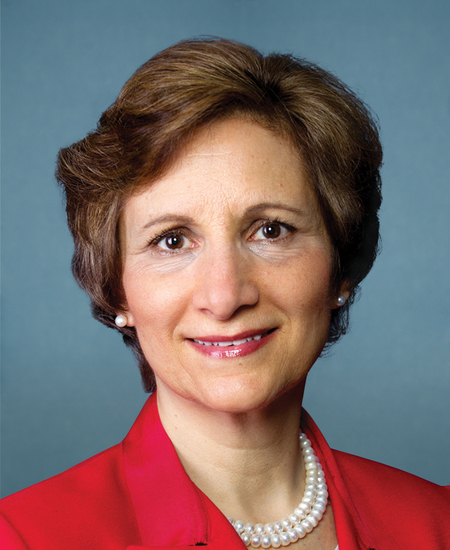
Rep. Suzanne Bonamici
Sponsored bills
Maddy summaryThis resolution thanks perinatal nurses and encourages public participation in National Perinatal Nurses Week (October 10-17, 2023). It recognizes their role in providing prenatal care, labor/delivery support, and postpartum care to mothers and newborns. The resolution is symbolic - it does not create new laws, funding, or policies - but aims to raise awareness of perinatal nurses’ contributions amid a national nurse shortage and maternal health crisis. It specifically urges patients, hospitals, and policymakers to engage with the observance.
Maddy summaryHR 5976, the Youth Mental Health Research Act, establishes a new NIH research initiative led by the National Institute of Mental Health. The bill directs collaboration between three NIH institutes to coordinate research on youth mental health, focusing specifically on building community resilience for at-risk youth and improving how mental health services reach young people in schools, communities, and other settings where they live and work. It authorizes $100 million annually for fiscal years 2024 through 2028 to fund this research. The bill does not create direct services but aims to generate evidence to inform future mental health support strategies for young people.
Maddy summaryThe Promoting Access to Broadband Act of 2023 establishes two grant programs to increase enrollment in federal broadband assistance programs. It provides competitive grants to states to conduct outreach and help Medicaid enrollees, SNAP participants, and low-income residents apply for the Affordable Connectivity Program (ACP) and Lifeline. The bill also funds states to connect their benefit databases (like SNAP) to a national eligibility verifier, enabling automatic verification of program eligibility. This reduces administrative barriers for eligible individuals seeking affordable broadband service.
Maddy summaryThis bill excludes veterans' disability and dependency payments from income calculations for HUD housing assistance programs. It directly affects veterans and their families receiving disability compensation under Title 38, U.S. Code, by ensuring these benefits don't reduce their eligibility or housing assistance amounts. Specifically, it prevents HUD from counting these payments when determining eligibility, benefit amounts, or rent calculations for assisted housing. The policy change applies solely to HUD-administered housing programs, not other federal benefits.
Maddy summaryThe Counseling Not Criminalization in Schools Act prohibits federal funding for school police officers and establishes a $5 billion grant program to help schools replace law enforcement with mental health professionals like counselors, social workers, and psychologists. The bill directly affects schools serving marginalized students, particularly Black, Native American, Latino, and LGBTQI+ students, who disproportionately face school discipline and police involvement. Key provisions require schools to terminate police contracts within 30 days of receiving funds and use the money for trauma-informed services, restorative justice programs, and anti-bias training. The bill also prohibits using funds for surveillance technology, punitive discipline policies, or arming school staff, while requiring schools to report on disciplinary practices and demographic data. This legislation aims to address racial disparities in school discipline and shift school safety toward supportive, evidence-based approaches rather than criminalization.
Maddy summaryThe Healthcare Workforce Resilience Act (HR 6205) reallocates unused employment-based immigrant visas from fiscal years 1992-2021 to directly support foreign nurses and physicians seeking permanent residency in the U.S. It creates 40,000 new visas - 25,000 for nurses and 15,000 for physicians - available only to those with petitions filed within three years of the bill’s enactment. The bill includes expedited processing without fees, exempts these visas from country limits, and requires employers to attest that hiring foreign workers won’t displace U.S. workers. This policy change specifically targets healthcare staffing shortages by streamlining pathways for qualified foreign healthcare professionals.
Maddy summaryHR 6124, the Cybersecurity Skills Integration Act, establishes federal grants to help community colleges and critical infrastructure employers develop cybersecurity-focused career training programs. The bill provides up to $500,000 per grant to partnerships between postsecondary institutions and critical infrastructure employers (like energy or transportation sectors) to integrate cybersecurity education into existing workforce programs. These programs must align with national cybersecurity standards, include hands-on learning, lead to recognized credentials, and prioritize diversity, with applicants required to detail how they address specific workforce needs. The legislation authorizes $10 million total over time to support these initiatives, aiming to better prepare workers for in-demand cybersecurity roles in critical infrastructure.
Maddy summaryThe PHASE Act of 2023 directs the National Institute of Standards and Technology (NIST) to identify innovative traffic control technologies that improve safety for pedestrians and cyclists without causing distraction. It requires the Transportation Secretary to conduct a study analyzing urban areas with rising pedestrian fatalities and test physical safety measures like crosswalk technology, better lighting, and accessible sidewalks. The bill also creates a $5 million annual grant program for cities, tribes, and municipalities to fund specific pedestrian safety infrastructure, including marked crosswalks, adaptive lighting, accessible curb ramps, and upgraded traffic signals. These grants must comply with federal regulations and the Americans with Disabilities Act. The law directly affects local governments seeking funding and aims to protect pedestrians and vulnerable road users through concrete infrastructure improvements.
Maddy summaryHR 5983, the Clean Water Act of 2023, redefines "protected water resources" under federal law to explicitly include all interstate and intrastate waters (such as intermittent and ephemeral streams), wetlands, and their tributaries. This directly affects federal agencies like the EPA, states managing water quality, and developers or landowners needing permits for activities near these waters. The bill eliminates the Supreme Court’s narrow "navigable waters" definition from Sackett v. EPA (2023), restoring protections for tens of millions of acres of wetlands and millions of miles of small streams. Key mechanisms require the EPA to annually review and adjust exclusions from protections based on scientific evidence, ensuring water bodies critical to drinking water, flood control, and ecosystems remain safeguarded.