

Maddy summaryHRES 777 is a non-binding resolution commending the Council of Europe for its efforts in addressing Russia's aggression against Ukraine and promoting international justice. It specifically highlights the Council's work in documenting war crimes, supporting Ukraine's humanitarian needs, and helping establish a Special Tribunal for the Crime of Aggression against Ukraine. The resolution encourages continued U.S. collaboration with the Council to support Ukraine's sovereignty and accountability for violations of international law. As a symbolic gesture, it does not create new legal obligations but expresses U.S. support for international justice mechanisms.
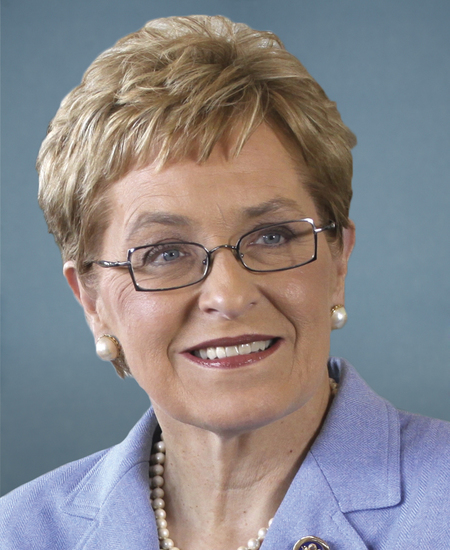
Rep. Marcy Kaptur
Sponsored bills
Maddy summaryHR 5660, the Pay Our Military Act, ensures military personnel and support staff receive pay during a government funding gap in fiscal year 2026. It appropriates funds from the Treasury to cover pay and allowances for active-duty troops, reservists, Department of Defense civilian employees, and contractors supporting military operations, if Congress hasn’t passed regular funding by then. The funding remains available until either regular appropriations are enacted or January 1, 2027, whichever comes first. This is a temporary measure to prevent disruptions in military pay during budget negotiations.
Maddy summaryThis concurrent resolution designates the week of September 22-28, 2025, as "National Falls Prevention Awareness Week" to raise public awareness about falls among older adults (65+). It directly affects older adults and organizations working on fall prevention, such as healthcare providers and community groups. The resolution cites CDC data showing falls cause 41,000 annual deaths and $80 billion in medical costs, while encouraging existing evidence-based strategies like home safety modifications and balance exercises. It does not create new laws or funding but supports awareness efforts and collaboration among federal agencies, the Aging Network, and healthcare providers.
Maddy summaryHRES 746 is a non-binding resolution passed by the U.S. House of Representatives condemning all political violence - including attacks on elected officials, candidates, and public figures - and rejecting rhetoric that dehumanizes opponents. It specifically urges law enforcement to investigate and prosecute such violence, calls on public officials and media to avoid inflammatory language, and references recent incidents like the 2025 assassination of activist Charlie Kirk and targeted shootings of Minnesota legislators. The resolution does not create new laws but formally expresses the House’s commitment to protecting public servants and promoting peaceful political discourse. It directly affects the House’s public stance and serves as a call to action for officials, media, and communities to foster civil engagement.
Maddy summaryThis bill permanently expands Medicare telehealth coverage for Federally Qualified Health Centers (FQHCs) and Rural Health Clinics (RHCs). It allows audio-only telehealth visits (not requiring video) to be covered under Medicare and removes the previous rule requiring patients to be at specific locations (like clinics) to access these services. As a result, Medicare beneficiaries in rural or underserved areas served by FQHCs/RHCs can now receive covered telehealth care from any location, including their homes, without location restrictions. The bill also ensures these clinics receive standard reimbursement rates for telehealth services, treating them the same as in-person visits for payment purposes.
Maddy summaryHR 5401, the Pay Our Troops Act of 2026, ensures military personnel, civilian Defense workers, and supporting contractors receive pay during government funding gaps in fiscal year 2026. It appropriates emergency funds for active-duty service members, reserves, and their supporting personnel (including Coast Guard staff under DHS) if regular appropriations aren't enacted by the end of the fiscal year. The bill provides necessary pay and allowances during any period when full-year funding is unavailable, covering both active service and support roles. Funding expires when regular appropriations are passed, a funding resolution is enacted, or January 1, 2027, whichever comes first. This is a procedural measure to prevent pay delays for military and support staff during fiscal year 2026 funding lapses.
Maddy summaryThe FAMILY Act would establish a national paid family and medical leave insurance program that provides wage replacement benefits for workers needing time off for caregiving or medical reasons. It defines "qualified caregiving" to include caring for a family member with a serious health condition, personal medical needs, or recovery from violence (including domestic violence, sexual assault, or stalking). Benefits would be calculated based on earnings, with a minimum monthly benefit of $580 and maximum of $4,000, administered by a new Office of Paid Family and Medical Leave within the Social Security Administration. Eligible individuals would need to have worked for at least 8 quarters in the previous year and file an application with required documentation, while existing state paid leave programs would continue to operate alongside this federal program.
Maddy summaryThe National Infrastructure Bank Act of 2025 would establish a government-owned bank to finance infrastructure projects across the United States, aiming to address a $3.69 trillion financing gap identified by the American Society of Civil Engineers. The bank would provide loans up to $5 trillion for transportation, energy, environmental, and community development projects, with specific criteria focused on economic growth, environmental benefits, and serving disadvantaged communities. It would be governed by a 25-member Board of Directors with diverse regional and expertise qualifications, and would operate with tax exemptions and capital requirements to ensure financial stability. The bill also establishes regional economic accelerator planning groups to coordinate infrastructure development and create a pipeline of projects for the bank to finance.
Maddy summaryThis bill extends federal funding authorization for Great Lakes fisheries research and monitoring programs. It amends existing law to change the expiration date from 2025 to 2030, ensuring continued support for these programs. The key provision directly affects federal research initiatives focused on assessing and managing fish populations in the Great Lakes Basin. This is a procedural reauthorization, not a new policy, maintaining current funding levels through 2030.
Maddy summaryHR 5309, the Congressional Tribute to Constance Baker Motley Act of 2025, authorizes a posthumous Congressional gold medal for Constance Baker Motley, a pioneering civil rights attorney and judge. The bill directs the Treasury Secretary to strike the medal with her image and name, to be presented to her son, Joel W. Motley III, and her niece, Constance Royster. It also permits the sale of bronze duplicates at cost to cover expenses, with proceeds going to the U.S. Mint fund. This is a commemorative measure with no substantive policy changes, honoring Motley’s legacy as the first African-American woman appointed to a federal judgeship.