

Maddy summaryHR 3269, the Law Enforcement Innovate to De-Escalate Act, exempts specific less-than-lethal projectile devices from federal firearm taxes and National Firearms Act restrictions. The bill defines these devices as those firing projectiles at under 500 feet per second and designed not to cause death or serious injury. This directly affects law enforcement agencies using such devices and manufacturers producing them, by removing tax burdens and registration requirements. The key change is creating a clear legal exemption for these devices under federal law, streamlining their use for de-escalation purposes.
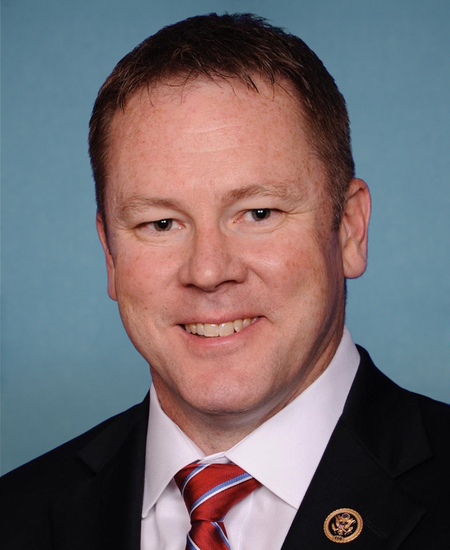
Rep. Warren Davidson
Sponsored bills
Maddy summaryThis bill amends Medicare rules to permanently exclude from the program any provider who prescribes, administers, dispenses, or furnishes abortion-inducing drugs via telehealth without meeting four specific requirements: being a physician, physically examining the patient, being present in the same room during drug administration, and scheduling an in-person follow-up within 14 days. It directly affects Medicare providers offering telehealth abortion services that don't comply with these in-person conditions. The law defines "abortion-inducing drug" broadly as any substance prescribed to terminate a pregnancy with knowledge it will likely cause fetal death. Providers failing to meet these conditions face permanent Medicare exclusion, with no exceptions for telehealth services.
Maddy summaryThis bill modifies Social Security Number (SSN) requirements for claiming the Child Tax Credit and Earned Income Tax Credit. It specifies that qualifying SSNs must be issued to U.S. citizens (or under specific Social Security Act provisions) and issued before the tax return due date. The changes apply to tax years beginning after December 31, 2024, and update related tax code references to use "social security number" instead of "taxpayer identification number." These are technical adjustments to eligibility criteria, not new benefits or funding.
Maddy summaryThis bill removes a requirement for ambulatory surgical centers participating in Medicare to report the COVID-19 vaccination status of their healthcare workers. Specifically, it directs the Secretary of Health and Human Services to revise Medicare regulations (42 CFR §§ 416.300-416.330) within 45 days of enactment to eliminate this reporting mandate. The change directly affects ambulatory surgical centers that receive Medicare funding, removing a specific administrative burden related to employee vaccination data. The bill focuses solely on modifying existing reporting rules, with no new funding or program requirements.
Maddy summaryThis bill adds Ecuador to the list of countries eligible for trade benefits under the Caribbean Basin Economic Recovery Act (CBERA), specifically designating it as a "CBTPA beneficiary country" for preferential tariff treatment. It requires the President to issue a formal proclamation designating Ecuador as such within 90 days of the bill's enactment. The change would allow Ecuadorian goods to enter the U.S. with reduced or eliminated tariffs under the CBERA framework, directly affecting Ecuador's exporters and U.S. importers of Ecuadorian products. This is a procedural adjustment to existing trade law, not a new policy.
Maddy summaryThis bill prohibits federal funding for gender transition procedures - including hormone therapy, puberty blockers, and surgeries like genital reassignment - across all federal programs and health plans. It exempts procedures for medical conditions (such as disorders of sex development) and treatment of complications arising from such procedures. The bill also blocks Affordable Care Act premium tax credits and cost-sharing reductions for health plans covering these services, though individuals may purchase separate non-federal-funded coverage. State and private insurers can still offer such coverage using their own funds, but federal subsidies cannot be applied to it.
Maddy summaryThe Global Trade Accountability Act of 2023 requires the President to seek congressional approval before implementing certain major trade actions, such as tariffs, import restrictions, or other trade barriers. The bill mandates that the President submit detailed reports to Congress about proposed actions, including economic impact analyses, potential retaliation risks, and specific affected products. Congress must then pass a joint resolution approving the action before it can take effect, with limited exceptions for emergencies. The Comptroller General must review proposed actions within 15 days, and the U.S. International Trade Commission must report on economic effects within 12 months. This bill directly affects the President's trade authority, Congress's oversight role, and U.S. businesses and consumers impacted by trade policies.
Maddy summaryHR 407, the "Protect the UNBORN Act," prohibits federal agencies from implementing or enforcing two specific executive orders issued by President Biden in 2022 (Executive Orders 14076 and 14079), which aimed to protect access to reproductive healthcare services. The bill bans the use of federal funds, including those from the 2022 Consolidated Appropriations Act, to carry out, administer, or enforce these executive orders. It directly affects federal agencies and programs that would otherwise comply with the Biden administration's policies on reproductive healthcare access. The bill does not create new healthcare rules but blocks the implementation of existing executive actions.
Maddy summaryThe People CARE Act establishes the People-Centered Assistance Reform Effort Commission (CARE Commission) to review and recommend changes to federal means-tested welfare programs, including Medicaid, SNAP, TANF, and housing assistance. The Commission would identify ways to streamline these programs, eliminate "benefit cliffs" (sudden loss of benefits as income rises), and help individuals transition off welfare by increasing employment and education opportunities. After an 18-month review, the Commission would submit a report with recommendations, including a proposed "Commission bill" for Congress to consider through expedited legislative procedures. The goal is to create a more integrated system that helps low-income Americans achieve economic self-sufficiency over time.
Maddy summaryThis bill bans federal funding for abortions in most cases, prohibiting the use of taxpayer money for abortion services or health insurance plans covering abortion. Exceptions allow funding for abortions resulting from rape, incest, or when a pregnancy endangers a woman's life. It requires health insurance plans sold through the Affordable Care Act (ACA) marketplaces to clearly disclose any separate costs for abortion coverage and prohibits ACA subsidies from being used for plans that cover abortion (except in the specified exceptions). The law directly affects federal programs like Medicaid, ACA marketplace plans, and insurers offering health coverage to individuals using federal subsidies.