

Maddy summaryThe FARMLAND Act of 2025 strengthens oversight of foreign ownership of U.S. agricultural land, particularly from countries like China and other "foreign entities of concern" as defined in the law. It requires agricultural land buyers to conduct due diligence and certify compliance, creates civil penalties for false or missing reports, and prohibits foreign persons from participating in Farm Service Agency programs. The bill mandates annual reports to Congress on foreign ownership of farmland by specific countries and requires development of a centralized database tracking foreign ownership. It also expands the Committee on Foreign Investment in the United States' authority to review certain real estate transactions involving foreign entities of concern.
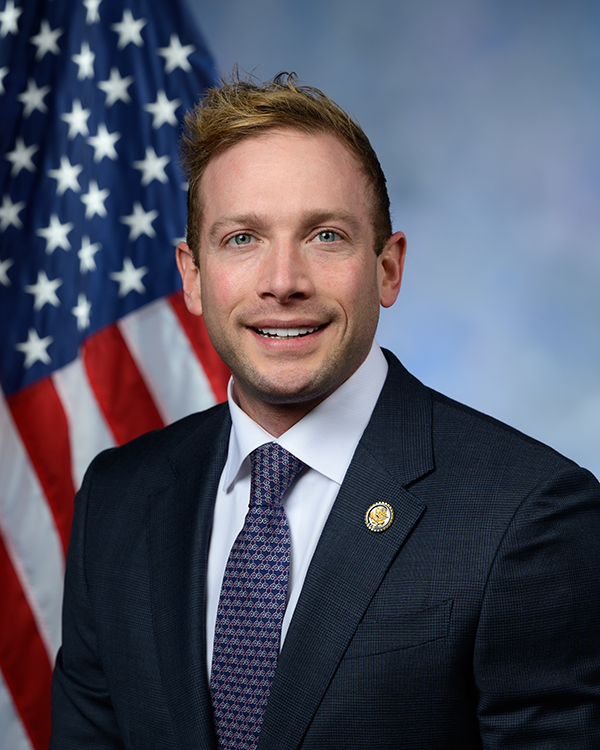
Rep. Max L. Miller
Sponsored bills
Maddy summaryThe Farm to Fly Act of 2025 amends agricultural programs to include sustainable aviation fuel (SAF) as a qualifying biofuel, directly affecting U.S. farmers, agricultural producers, and the aviation industry by creating new market opportunities. It defines SAF with specific requirements - meeting ASTM standards, not derived from palm oil or petroleum, and achieving at least a 50% lifecycle greenhouse gas emissions reduction compared to jet fuel. The bill mandates the Secretary of Agriculture to lead a new collaboration initiative focusing on advancing SAF development through partnerships with farmers, rural economic support, and public-private partnerships. Additionally, it expands existing manufacturing assistance programs to include SAF production, aiming to strengthen domestic energy security and grow markets for agricultural feedstocks.
Maddy summaryThe Freedom from Unfair Gun Taxes Act of 2025 would prohibit states and local governments from imposing taxes on the sale of firearms, ammunition, or firearm parts during interstate or foreign commerce. This bill directly affects state tax policies and manufacturers or dealers selling these items across state lines. It explicitly states that the bill does not change the existing federal tax on firearms and ammunition that funds wildlife conservation programs. The key provision bans state-level taxes for these sales in interstate transactions while preserving current federal funding mechanisms.
Maddy summaryHR 2410 creates a 20% federal tax credit for developers converting older non-residential buildings (at least 20 years old) into affordable housing. The credit applies to qualified conversion costs, requiring that 20% of units be rent-restricted for residents earning 80% or less of the area median income for 30 years. It establishes a $12 billion national credit limit, with $3 billion reserved for conversions in economically distressed areas, and mandates state-level allocation plans prioritizing projects near transit and employment. The bill directly affects developers seeking tax incentives for downtown revitalization, not tenants or local governments.
Maddy summaryHR 2423, the Unfair Tax Prevention Act, amends the U.S. tax code to modify how the base erosion tax applies to certain foreign-owned businesses. It directly affects foreign-controlled entities operating under specific foreign tax systems that impose taxes based on ownership chains, such as those linked to foreign corporations. Key provisions include treating these entities as "applicable taxpayers" for tax purposes, changing a deadline from December 31, 2025, to the bill's enactment date, and counting 50% of their cost of goods sold as a tax benefit while excluding certain other tax rules. The changes apply to taxable years beginning after the bill becomes law.
TAP Promotion Act This bill requires that pre-separation counseling under the Transition Assistance Program include a presentation that promotes the benefits available to veterans from the Department of Veterans Affairs (VA). The bill also requires the VA to annually report on the presentation to (1) identify veterans service organizations that participate, (2) provide the number of members of the Armed Forces who attend, and (3) provide any recommendations for changes to the presentation.
Maddy summaryHRES 254 is a non-binding resolution recognizing the 250th anniversary of the United States Marine Corps, to be observed on November 10, 2025. The resolution honors the Corps' founding at Tun Tavern in Philadelphia on November 10, 1775, its history of service in major conflicts, and its values of honor, courage, and commitment. It encourages public participation in commemorative events and local recognition of Marines' contributions to national defense.
Maddy summaryHR 2359 sets new deadlines for states to use federal funds supporting child welfare programs under the Social Security Act. States must obligate (commit) funds by the end of the next fiscal year and fully spend them by the end of the second following year, unless they reserve up to 15% of the funds for future use. This reserve is capped at 50% of the previous year's total funds, and states must notify the federal government in advance if they plan to hold funds. The law directly affects states administering child welfare programs funded through Section 403(a)(1) and takes effect October 1, 2026.
Maddy summaryThe IMPACT Act establishes a federal research program to develop low-emission cement, concrete, and asphalt technologies. It directly affects researchers, manufacturers, and federal agencies by funding studies on carbon capture, alternative fuels, and energy-efficient production methods. Key provisions require the Department of Energy to coordinate across multiple agencies, create a 5-year strategic plan, and support demonstration projects focused on reducing greenhouse gas emissions. The program prioritizes technologies that match or exceed the performance of current products while cutting emissions, with a 7-year sunset provision. It also includes technical assistance for updating industry standards and promoting commercial adoption.
Maddy summaryHRES 230 is a non-binding resolution expressing Congress's sense that the U.S. Congress and administration must urgently collaborate on food and agricultural trade policies. It directly affects U.S. farmers, ranchers, and the $9.6 trillion agricultural sector, which supports millions of jobs and generates significant exports. The resolution calls for concrete actions including securing new market access, enforcing trade agreements, eliminating unjustified trade barriers (like tariffs and nontariff restrictions), and using science-based approaches to strengthen global trade. It emphasizes addressing a 9% decline in 2023 agricultural exports and a projected $37 billion trade deficit, contrasting with historical trade surpluses.