

Maddy summaryThe Menopause Research and Equity Act of 2023 requires the National Institutes of Health (NIH) to evaluate existing and ongoing research on menopause, perimenopause, and mid-life women’s health, identifying gaps in knowledge and funding over the past five years. The NIH must then develop a strategic plan with health professionals (including specialists like gynecologists and endocrinologists) to address these gaps and guide future research on treatments for menopause symptoms. The bill also mandates new NIH research on causes, symptoms, and treatments for menopause-related health issues, including a study on hormonal treatments. All activities must be funded using existing NIH resources, with no new appropriations authorized. This aims to improve scientific understanding of women’s mid-life health needs.
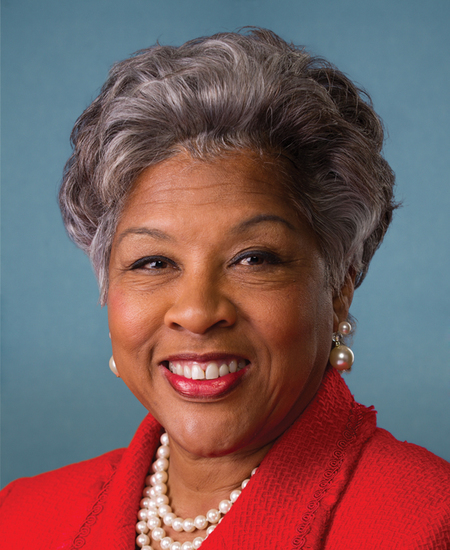
Rep. Joyce Beatty
Sponsored bills
Maddy summaryThe WARM Act of 2023 creates a national menopause public awareness program through the CDC, allocating $70 million for 2025-2028 to increase understanding of menopause symptoms, related health conditions, and treatment options through culturally competent educational materials. It provides $31.7 million for grants to train health care providers (including physicians, nurses, and pharmacists) in managing menopausal symptoms, with priority given to institutions serving rural, Tribal, and other underserved communities. The bill also establishes regional centers of excellence to develop evidence-based curricula for health professions schools to improve menopause education. The program requires reports to Congress by 2025 and 2026 on implementation and effectiveness.
Maddy summaryThe Restore Honor to Service Members Act of 2023 establishes a Department of Defense "Tiger Team" to improve outreach to veterans with certain discharge statuses (specifically those discharged under "former section 654" before 2011, often related to policies like the "Don't Ask, Don't Tell" era). The team will collaborate with the VA, veterans' groups, and other stakeholders to identify eligible veterans, share contact information, and guide them through the existing review process under Section 527 of the 2020 National Defense Authorization Act. The bill requires the team to submit regular progress reports to Congress and a final report within three years, tracking how many veterans successfully changed their discharge status to "honorable" through the review process. This focuses on streamlining access to an existing review mechanism, not creating new benefits or altering discharge standards.
Maddy summaryHR 6830, the "Books Save Lives Act," requires covered schools (elementary/secondary schools receiving federal funds) and public libraries receiving federal assistance to maintain staffed libraries with diverse book collections. These collections must include books written by, illustrated by, or about individuals from underrepresented communities - defined as racial/ethnic minorities, LGBTQ+ individuals, religious minorities, or people with disabilities. The bill states that excluding such "covered books" could be used as evidence of discrimination under civil rights laws like the Civil Rights Act of 1964. It also mandates a report on the impact of book-banning campaigns on these communities within 180 days of enactment.
Maddy summaryThe Brittany Clardy Missing and Murdered Black Women and Girls Act establishes a new Office within the Department of Justice to address the disproportionate rates of missing and murdered Black women and girls in the U.S. The Office will collect and analyze data on these cases - including case resolution times, Amber Alert usage, and trafficking links - and create a public dashboard for tracking. It also creates a grant program for community organizations to provide culturally appropriate prevention services, law enforcement training, and victim support. The Office must submit biennial reports to Congress with findings and recommendations to improve the criminal justice response to these cases. This bill directly affects Black women and girls facing violence, law enforcement agencies, and community organizations providing related services.
Maddy summaryHR 5512 requires U.S. financial institutions to ensure all entities they own or control comply with U.S. sanctions against Russia and Belarus. It directly affects banks, credit card systems, insurance companies, and other financial firms operating in the U.S. or with U.S. branches. The bill mandates that these institutions enforce sanctions covering transactions, deposits, loans, foreign exchange, and securities dealing involving Russia or Belarus. Violations could result in penalties under existing sanctions laws.
Maddy summaryThis bill modifies reporting requirements for small businesses under beneficial ownership rules. It sets a strict 90-day deadline for small businesses to submit ownership information (replacing flexible "timely" or 1-year deadlines) and prohibits the Financial Crimes Enforcement Network (FinCEN) from allowing companies to skip reporting if they cannot obtain required information. The key provision mandates that small businesses must file the report within 90 days of incorporation or when ownership changes, rather than having extended or flexible timelines. This directly affects small businesses required to disclose ownership details to prevent illicit financial activity.
Maddy summaryHR 6720 creates a grant program administered by the U.S. Department of Agriculture to provide stabilization payments to farmworkers, meat processing workers, and grocery workers affected by natural or other disasters designated by the Secretary. Eligible entities - such as labor unions or membership organizations representing these worker groups - can apply for funding to support affected workers. The program is authorized to spend up to $50 million, with the Secretary required to report on its outcomes within four years. This bill directly affects workers in specific food industry sectors during disaster events, offering financial stabilization through grants administered by the Agricultural Marketing Service.
Maddy summaryThis bill amends the Equal Credit Opportunity Act to require lenders to collect and report data on loans to LGBTQI-owned businesses. It specifically adds "LGBTQI-owned" to existing categories for data collection, includes sexual orientation, gender identity, and intersex status as protected characteristics in lending data, and defines an "LGBTQI-owned business" as one where over 50% of ownership/control and net profit/loss accrues to self-identifying LGBTQI individuals. The policy change directly affects financial institutions that report lending data to the government, mandating they track and disclose these new categories. This provides concrete data on lending practices for LGBTQI business owners, who face documented barriers in accessing credit.
Maddy summaryHR 6605 (STIFLE Act of 2023) requires the Treasury Department to study how criminals exploit location-obfuscation tools like VPNs and manipulated GPS data to evade U.S. financial sanctions and anti-money laundering laws. The bill mandates a report within one year assessing the risks of inaccurate location tracking via IP addresses, the ease of evasion, and potential solutions using aggregated location data. This study targets financial technology platforms that currently rely on IP addresses as their primary method for verifying user locations to comply with sanctions and banking regulations. The bill itself does not change existing laws but sets the stage for future policy decisions based on the Treasury's findings.