

Maddy summaryHR 3977, the Campus Housing Affordability for Foster Youth Act, removes a ban preventing foster youth in college from receiving housing assistance. It allows the Secretary to waive income requirements for students who are in foster care (or were formerly in foster care), or are court-emancipated minors, while living in on-campus housing at eligible colleges. The bill ensures that housing assistance provided through this waiver does not count as income when determining eligibility for federal student aid, work-study programs, or other support like living allowances or child support calculations. This directly affects foster youth in higher education who face housing barriers, making campus housing more accessible without jeopardizing their other financial aid.
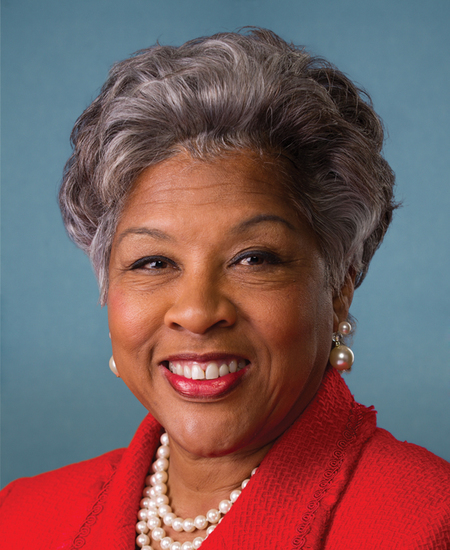
Rep. Joyce Beatty
Sponsored bills
Maddy summaryThe PHARA Act of 2025 requires the National Institutes of Health (NIH) to immediately release all required funding for existing research grants and rapidly pay pending reimbursements. It prohibits NIH from terminating active research grants (entered after the bill's enactment) solely due to shifting agency priorities or program goals, and mandates new termination clauses requiring 90 days' written notice and attempts to amend terms before ending agreements. This directly affects researchers and institutions receiving NIH grants, ensuring funding continuity for ongoing projects. The bill aims to prevent abrupt halts in scientific research by restructuring grant termination processes.
Maddy summaryThe Domestic Workers Bill of Rights Act (HR 3971) would establish key labor protections for domestic workers, including nannies, housekeepers, and caregivers who work in private homes. The bill requires written agreements for workers employed 8+ hours per week, provides earned sick days (1 hour for every 30 hours worked), mandates fair scheduling practices with 72-hour notice for schedule changes, and extends overtime protections to live-in domestic employees. It also prohibits unfair wage deductions, guarantees meal and rest breaks, and ensures privacy protections including no monitoring in private living spaces. The bill directly affects approximately 2.2 million domestic workers across the U.S., who are disproportionately women of color and immigrants. Enforcement would be handled by the Department of Labor through new complaint resolution mechanisms and oversight.
Maddy summaryHR 3906, the Medical Research for Our Troops Act, restores funding levels for military medical research by increasing the Defense Health Agency's research budget from $40.395 billion to $41.576 billion in the 2025 appropriations act. It ensures Congressionally Directed Medical Research Programs funds are used consistently with the Consolidated Appropriations Act, 2024, requiring the Defense Secretary to support all previously identified research programs and maintain existing funding allocations. The bill directly affects military medical research initiatives and the Defense Health Agency's budget implementation. This is a procedural funding adjustment, not a new policy, maintaining continuity for ongoing research projects.
Maddy summaryHRES 493 is a non-binding resolution expressing the House of Representatives' view that the U.S. housing crisis requires urgent, coordinated action. It highlights a shortage of over 7 million affordable rental homes, cost-burdened renters (12 million spending over 50% of income on housing), and rising homelessness, disproportionately affecting communities of color, seniors, people with disabilities, and low-income families. The resolution urges federal, state, and local governments to prioritize expanding affordable housing supply, preserving existing units, and strengthening rental assistance programs. It also encourages private and nonprofit partnerships to develop community-responsive housing solutions. This resolution does not create new laws or funding but formally calls for policy alignment across all levels of government to address housing affordability.
Maddy summaryThis bill requires private firearm transfers between individuals to go through a licensed dealer who must conduct a background check. It applies to most private sales but includes exceptions for transfers between family members (like parents and children), law enforcement, emergencies preventing harm, and temporary loans at shooting ranges or for hunting. Dealers must provide background check notices in both English and Spanish. The law aims to prevent prohibited individuals from obtaining firearms through private transactions while maintaining existing state authority on firearm laws.
Maddy summaryThe Broadcast VOICES Act creates a tax certificate program to incentivize ownership of broadcast stations by socially disadvantaged individuals (defined as women or those who have faced racial/ethnic prejudice). It allows for tax benefits on qualifying sales of broadcast stations, requiring that socially disadvantaged individuals maintain ownership for at least 2 years and control management operations. The bill mandates the FCC to submit biennial reports to Congress on the number of stations owned by socially disadvantaged individuals and recommendations for increasing such ownership. Additionally, it establishes a new tax credit for contributions to organizations training socially disadvantaged individuals in broadcast management. The program will sunset after 16 years.
Maddy summaryHR 3868, the Enhanced Background Checks Act of 2025, modifies federal firearm background check procedures to address delays. It requires federal firearms licensees to wait 10 business days after a background check query if the system doesn’t immediately flag a transfer, unless the buyer submits an electronic petition confirming they aren’t prohibited from owning firearms. The petition process includes a 10-day response deadline from the Attorney General, with licensees allowed to proceed if the system remains silent after 10 days. The bill also mandates detailed annual reports from the FBI on petition delays and GAO reports on implementation, focusing on how these changes affect firearm transfers to prohibited individuals.
Maddy summaryHR 3829 requires the Financial Crimes Enforcement Network (FinCEN) and the Small Business Administration (SBA) to create a formal agreement within 90 days to improve outreach about beneficial ownership reporting requirements. The agreement mandates joint efforts to help small businesses - specifically reporting companies under the Corporate Transparency Act - understand and comply with registration rules through resource partners like small business development centers, multilingual materials, and virtual/in-person town halls. It also requires quarterly reports to Congress tracking outreach efforts, compliance rates, and strategies to address non-compliance. This bill focuses on coordination, not changing the underlying registration rules, to support small businesses navigating existing federal requirements.
Maddy summaryHR 3757, the Pride In Mental Health Act of 2025, provides $20 million annually (2026-2030) to fund grants for mental health services targeting LGBTQ+ youth, including nonbinary, intersex, and Two Spirit youth, and their families/caregivers. The bill mandates grantees to provide trauma-informed care, cultural competency training, school bullying prevention guidelines, and evidence-based practices while explicitly prohibiting the use of funds for conversion therapy or its promotion. It also requires the federal government to restore mental health reports on LGBTQ+ youth, conduct a national survey measuring mental health distress, and produce a report on mental health services for LGBTQ+ youth in foster care. The law directly affects these youth populations by expanding access to tailored mental health resources and data collection, with funding administered through the Substance Abuse and Mental Health Administration.