

Maddy summaryHRES 911 is a symbolic resolution supporting National Black HIV/AIDS Awareness Day, observed annually on February 7 to address the disproportionate impact of HIV/AIDS on African American communities. It encourages state and local governments, public health agencies, and media to promote HIV testing, education, and community engagement within Black communities. The resolution commends organizations providing HIV services and aligns with the National HIV/AIDS Strategy’s goals to reduce new infections, improve care access, and address health disparities. As a non-binding resolution, it does not create new laws or funding but serves as a call to action to combat HIV/AIDS through prevention, treatment, and reducing stigma.
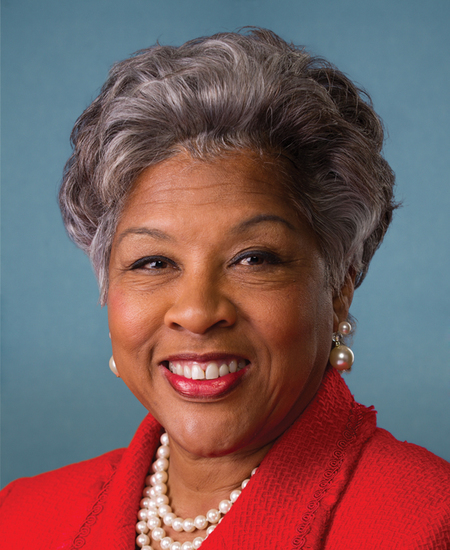
Rep. Joyce Beatty
Sponsored bills
This resolution expresses support for the recognition of American Heart Month to bring awareness to the cardiovascular disease public health crisis in the United States and abroad.
Keeping School Meals Flexible Act This bill extends authority through June 30, 2023, for the Department of Agriculture (USDA) to waive certain requirements for the school meal programs to address COVID-19. The bill extends the authority for USDA to issue a single waiver of child nutrition program requirements to all states under the National School Lunch Program for purposes of providing meals and snacks with appropriate safety measures with respect to COVID-19; grant waivers of requirements to allow non-congregate feeding in the Child and Adult Care Food Program for purposes of providing meals and snacks with appropriate safety measures with respect to COVID-19; and grant waivers related to the nutritional content of meals served in child nutrition programs if it determines the waiver is necessary to provide meals and snacks, and there is a food supply chain disruption due to COVID-19.
Wireless Electric Vehicle Charging Grant Program Act of 2022 This bill requires the Department of Transportation to establish the Wireless Electric Vehicle Charging Grant Program to award grants on a competitive basis for projects to construct, install, or improve existing wireless charging infrastructure and technology for electric vehicles.
Access to AEDs Act This bill requires the Department of Health and Human Services to award grants to local educational agencies and private elementary and secondary schools, in partnership with a health care entity, to promote student access to defibrillation in elementary and secondary schools.
Maddy summaryThis resolution (HRES 884) symbolically recognizes January 2022 as "National Mentoring Month" to highlight the value of mentoring relationships for youth. It does not create new laws or provide funding, but instead acknowledges mentoring's role in supporting young people's education, career development, and well-being. The resolution encourages promoting mentoring programs across communities, schools, and workplaces to address the "mentoring gap" where one in three youth lacks a supportive adult outside their home. As a procedural resolution, it has no direct legal effect on individuals or programs.
This resolution expresses support for the goals and ideals of PCOS Awareness Month. Polycystic ovary syndrome (PCOS) is caused by a hormone imbalance. Symptoms can include infertility, weight gain, excess hair growth, and acne.
PrEP Access and Coverage Act This bill requires private health insurance plans to cover prescription drugs that prevent HIV, including related screenings, diagnostic procedures, administrative fees, and clinical follow-ups, without any cost-sharing obligation for the plan holder. Further, insurance plans must not impose any preauthorization requirement for this coverage. These coverage requirements also apply to public health insurance programs, including Medicare, Medicaid, and the Children's Health Insurance Program. Additionally, the bill prohibits denying, limiting, or qualifying coverage or increasing premiums for disability insurance, long-term care insurance, or life insurance policies based on an individual taking medication for HIV prevention. The bill further requires the Department of Health and Human Services to award grants to states, or directly to eligible local organizations, to provide uninsured individuals and underinsured individuals access to prescription drugs and related services that prevent HIV. The Centers for Disease Control and Prevention also must develop a public awareness campaign that focuses efforts in communities with a high need for HIV prevention treatment.
College Student Hunger Act of 20 21 This bill modifies the eligibility requirements for the Supplemental Nutrition Assistance Program (SNAP) to make additional students at institutions of higher education eligible for benefits.
Cures 2.0 Act This bill addresses pandemic preparedness and public health issues, caregiver and patient engagement, drug development, insurance coverage, and biomedical research. The Department of Health and Human Services (HHS) must undertake research and other activities concerning COVID-19 and develop a strategy for future pandemics and declared emergencies. Additionally, the bill specifies actions to combat antimicrobial resistance. HHS may award grants for caregiver training. The bill also addresses diversity in clinical trials, collecting patient experience data during clinical trials, and coverage for care related to participation in specified clinical trials. The bill modifies the timeframe and requires additional guidance relating to expedited approval of certain breakthrough drugs, devices, or products. It also establishes two intercenter institutes within the Food and Drug Administration (FDA) focused on particular diseases that meet specified criteria. The bill also addresses (1) coverage in Medicare, Medicaid, and the Children's Health Insurance Program for telehealth, genetic and genomic testing, and other services; (2) electronic prescribing standards for Medicare drug benefits; and (3) access to Medicare and Medicaid claims data by certain registries. Furthermore, the bill prohibits the use of geographic tracking or biometrics in Medicaid electronic visit verification systems. The bill establishes the Advanced Research Projects Agency for Health (ARPA-H) within the National Institutes of Health to accelerate biomedical research and innovation through grants, contracts, cash prizes, and other means. The FDA may work with ARPA-H to expedite the development of medical products through specified activities.