

Maddy summaryHR 3792 extends U.S. security funding for Israel through 2028 (Section 3) and expands energy cooperation to include advanced nuclear technologies and carbon capture (Section 5). It requires annual reports on regional security partnerships involving Israel (Section 6) and ensures countries in the Abraham Accords can access U.S. development programs (Section 8). The bill also mandates reports on diplomatic efforts against ICC investigations targeting the U.S. and Israel (Section 10) and encourages people-to-people programs to strengthen the Abraham Accords (Sections 7, 9). These provisions directly affect Israel’s diplomatic engagement, security partnerships, and economic cooperation in the Middle East.
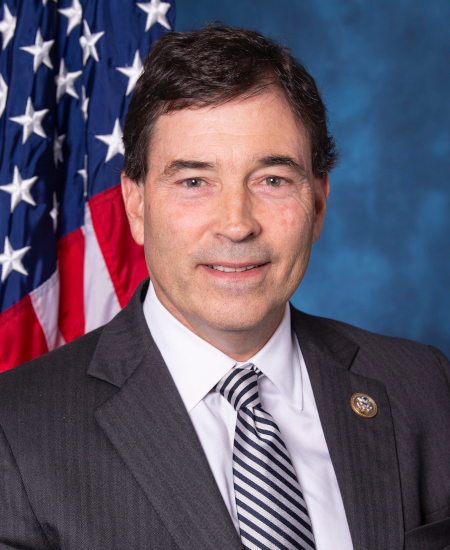
Rep. Troy Balderson
Sponsored bills
Maddy summaryThe HALT Fentanyl Act expands the definition of fentanyl-related substances in the Controlled Substances Act to include many structurally similar compounds, making it easier to regulate new fentanyl analogs without individual listing. It defines these substances based on specific chemical modifications to fentanyl, with limited exceptions for substances already controlled or listed elsewhere. The bill also streamlines research procedures for schedule I substances by creating expedited registration processes and allowing multiple studies under one registration, while requiring the Attorney General to publish a list of substances meeting the new definition.
Maddy summaryHR 3577, the Medical and Health Stockpile Accountability Act of 2023, requires the federal government to create an automated tracking system for critical medical supplies held in the national stockpile and shared with state, tribal, local, and private entities like hospitals and manufacturers. The system must provide near real-time data on supply levels, establish standardized reporting for product categories and inventory, and ensure private entities' data remains confidential and cannot be used for reallocation or commercial purposes. It mandates annual testing of the system, provides $250 million for development (2024-2029), and offers support to smaller healthcare facilities without automated tracking systems. The bill directly affects federal agencies managing the stockpile, healthcare providers, and medical supply manufacturers by standardizing and securing supply chain data during emergencies.
Maddy summaryThis bill creates a new tax credit for expenses related to "qualified access technology for the blind" under the Internal Revenue Code. It allows taxpayers to claim a credit of up to $2,000 per year (adjusted for inflation) for costs paid for hardware, software, or IT that converts visual information into formats usable by blind individuals, covering the taxpayer, their spouse, or a dependent who is blind. The credit is limited to $2,000 over any three consecutive tax years per blind individual and expires after 2028. It directly affects blind individuals and their families who purchase qualifying assistive technology. The credit cannot be claimed for expenses already covered by other tax deductions or credits.
Maddy summaryHR 3624, the Travel Trailer and Camper Tax Parity Act, amends the tax code to include certain towable travel trailers and campers under floor plan financing rules. This change directly affects recreational vehicle (RV) dealers and manufacturers who sell trailers designed for temporary living quarters (like camping or seasonal use) that are towed by or attached to a motor vehicle. The key provision expands the definition in tax law so these vehicles qualify for the same business tax treatment as other floor plan inventory, allowing dealers to deduct financing costs over time instead of upfront. The law applies to taxable years starting after December 31, 2022.
Maddy summaryHR 3582 (Workforce Development Through Post-Graduation Scholarships Act of 2023) makes certain post-graduation scholarship grants tax-exempt under the Internal Revenue Code. It directly affects graduates who receive grants from qualified nonprofits (501(c)(3) organizations) to repay student loans, provided they live and work in communities with below-average bachelor’s degree attainment rates. The bill requires grants to be paid directly to lenders, prohibits grants to the granting organization’s employees, and prevents double tax benefits by excluding related interest from income calculations. It also mandates Treasury and GAO reports on implementation and effectiveness within 3-5 years of enactment.
Cable Access for Broadband and Local Economic Leadership Act or the CABLE Leadership Act This bill requires a state or local entity that regulates certain aspects of cable operators (franchising authorities) to make decisions about whether to grant or deny a complete request for a new cable franchise within a specified time frame. The bill also outlines what constitutes a complete request. If a franchising authority fails to respond within the time frame, the request is deemed automatically granted. Additionally, a denial of a request must be in writing, supported by substantial evidence contained in a written record, and publicly released (and provided to the party who made the request) on the same day the decision is made.
Maddy summaryHR 3404 requires the U.S. Department of Transportation to strengthen oversight of foreign manufacturers producing compressed gas cylinders for hazardous material transport in the U.S. It mandates annual inspections of these manufacturers, shortens initial approval periods to one year (with a possible five-year option under strict conditions), and requires applicants to disclose past penalties or criminal history. The bill also adds new disclosure requirements for applicants, including whether they’ve faced civil penalties, delinquent payments, or are listed on government watchlists. Additionally, it requires public comment periods for applications and annual publication of approved manufacturers' lists to increase transparency.
Maddy summaryThis bill allows utility companies (like electricity, gas, and internet providers) and landlords to report payment history for essential services to credit bureaus, expanding credit reporting beyond traditional loans. It directly affects consumers who pay these bills regularly but may lack traditional credit history, potentially helping them build credit. Key provisions limit reporting to actual payment behavior (not usage data) and prevent utilities from reporting late payments if a consumer is on a valid payment plan. The bill also requires a government study to assess the impact of this reporting on consumers within two years.
National Law Enforcement Officers Remembrance, Support and Community Outreach Act This bill directs the Department of Justice (DOJ) to establish a National Law Enforcement Officers Remembrance, Support, and Community Outreach Program. The bill further directs DOJ to award a grant under the program to the National Law Enforcement Officers Memorial Fund for the expenses associated with community outreach, public education, and officer safety and wellness programs operated by the of the National Law Enforcement Officers Memorial Fund and National Law Enforcement Museum.